

 EN
EN  ES
ES  FR
FR  AR
AR  PT
PT  RU
RU  DE
DE  IT
IT 
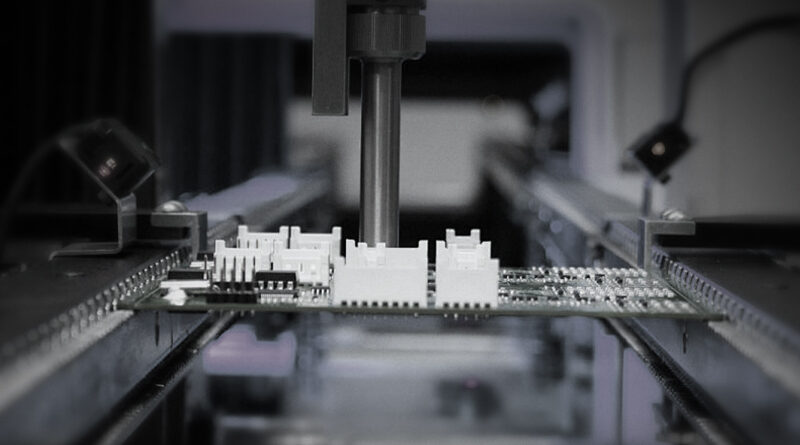
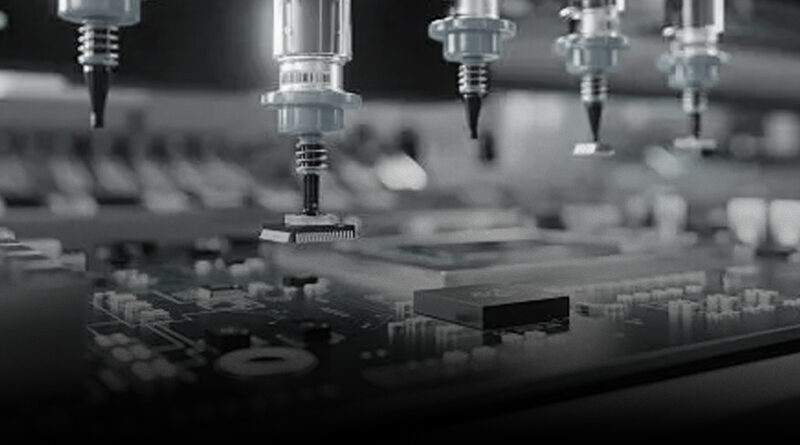
In today’s fast-paced manufacturing environment, efficiency and precision are paramount. One of the machines that stand at the forefront of optimizing production lines is the manual pick and place machine. This article delves deep into the functionality, advantages, and best practices when considering wholesale manual pick and place machines for your business.
What is a Manual Pick and Place Machine?
A manual pick and place machine is a device used in various manufacturing processes to help automate the placement of components onto circuit boards. Unlike fully automated machines, manual versions allow operators to participate in the loading and placement of items, thereby offering greater flexibility and control. These machines are especially popular in smaller operations or those looking to supplement their assembly lines without significant investment in automation.
Why Choose a Manual Pick and Place Machine?
There are several advantages to using manual pick and place machines over more sophisticated automated alternatives:
- Cost-Effective: Manual machines are typically less expensive than automated systems, making them an excellent choice for startups and small businesses.
- Flexibility: They allow operators to quickly switch between different products or components, which is ideal for manufacturers that have varying product lines.
- Ease of Use: Most manual machines are designed to be user-friendly, requiring minimal training for new operators.
- Space Efficiency: These machines often occupy less floor space than their automated counterparts, which is beneficial for smaller production environments.
Key Features to Look For
When sourcing a wholesale manual pick and place machine, consider the following key features to ensure you select the right equipment for your operations:
- Build Quality: A robust build will enhance the machine’s longevity and ensure consistent performance.
- Component Size Compatibility: Ensure that the machine can handle the size and weight of the components you will be placing.
- Vacuum Pick-Up: Look for machines that include vacuum pick-up tools for delicate components, ensuring that parts are not damaged during operation.
- Adjustability: Machines with adjustable settings allow for the placement of a wide array of component types and sizes.
- Support and Spare Parts Availability: Ensure that the manufacturer provides good support and that spare parts are easily available.
Tips for Operating a Manual Pick and Place Machine
While manual pick and place machines are designed for ease of use, following best practices can enhance productivity and reduce error rates:
- Regular Training: Even though manual machines are user-friendly, regular training for operators helps keep them up-to-date on best practices and any new features.
- Setup Consistency: Ensure that the machine is consistently setup before beginning a production run to minimize errors.
- Quality Control: Establish a routine quality control process to check the accuracy of placements and functionality of components.
- Maintenance Schedule: Create and adhere to a scheduled maintenance plan to keep the machine in good working order and minimize downtime.
Applications of Manual Pick and Place Machines
Manual pick and place machines find use in various industries. Here’s a look at where they can be beneficial:
- Electronics Manufacturing: Especially true for PCB assembly, where precise placement of components is critical.
- Small Scale Manufacturing: Ideal for businesses dabbling in low to medium volume runs where full automation is impractical.
- Prototype Development: For companies developing small batches of prototypes that require careful assembly without the need for significant investment.
- Custom Projects: Perfect for artists and artisans looking to create custom electronic products without needing large machinery.
Where to Buy Wholesale Manual Pick and Place Machines
Finding the right supplier can be crucial in securing the best manual pick and place machine for your business at wholesale prices. Here are some avenues you might explore:
- Direct from Manufacturers: Many manufacturers offer competitive prices for bulk orders, eliminating middlemen costs.
- Industrial Supply Reps: Reputable industrial supply representatives can provide tailored recommendations based on your specific needs.
- Equipment Auctions: Auctions can offer substantial savings, though it is essential to vet the equipment’s condition before purchase.
- Online Marketplaces: Websites like Alibaba and ThomasNet can connect buyers with myriad suppliers, though due diligence is essential to ensure quality.
Cost Considerations
When budgeting for wholesale manual pick and place machines, consider the following cost factors:
- Initial Investment: The price range for manual machines can vary significantly, from a few thousand dollars to tens of thousands based on features and build quality.
- Operational Costs: Factor in costs associated with maintenance, training, and consumables that may be necessary for operations.
- Return on Investment: Evaluate how increased efficiency and production volume can translate into increased profits over time.
Future Trends in Pick and Place Technology
As technology evolves, so do the capabilities of pick and place machines. Here are some trends to keep an eye on:
- Integration with AI: The implementation of artificial intelligence can facilitate improved precision and error recovery.
- Smart Features: Future machines may incorporate IoT technologies for better monitoring and control over production lines.
- Enhanced Ergonomics: As the demand for user-friendly devices increases, ergonomics in design will likely become a significant focus.
When it comes to selecting a manual pick and place machine, understanding your business’s unique needs and operational requirements is the key to making an informed decision. With careful research and consideration, your investment in this versatile machine can lead to remarkable improvements in production efficiency and output quality.