


As the world of electronics manufacturing continues to evolve, the significance of Surface Mount Technology (SMT) has never been more apparent. One of the crucial elements in the SMT process is the SMT placement machine. This article explores everything you need to know about SMT placement machines, including types, advantages, components, and tips for optimizing their use in your manufacturing process. With the right knowledge, you can significantly elevate your production efficiency and reduce costs.
Understanding SMT Placement Machines
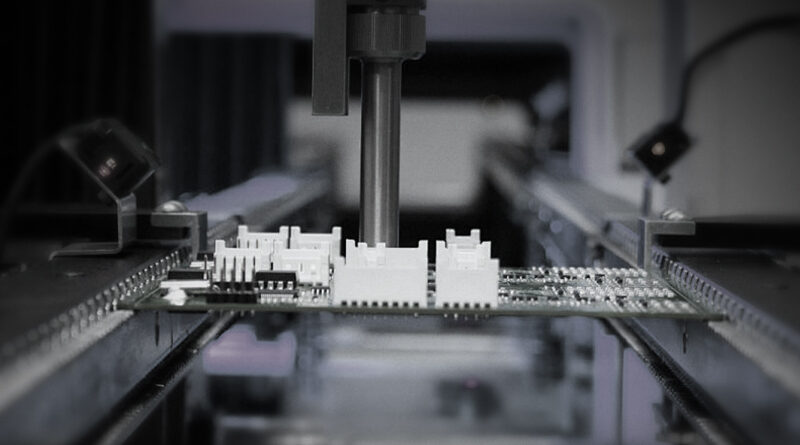
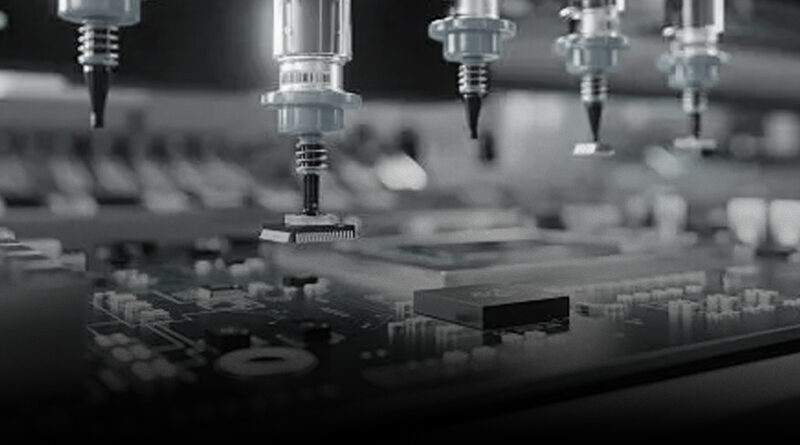
SMT placement machines, often referred to as pick-and-place machines, are automated devices used to place surface mount devices (SMDs) onto printed circuit boards (PCBs) during the manufacturing process. These machines are essential for high-volume production, ensuring precision and speed that surpass manual assembly methods. With the growing demand for compact and high-performance electronic devices, understanding SMT machines is crucial for any electronics manufacturer.
Types of SMT Placement Machines
There are several types of SMT placement machines available in the market today. Each type is tailored to specific manufacturing needs:
- High-speed Pick-and-Place Machines: These machines are designed for large production runs and can place thousands of components per hour, making them ideal for mass production lines.
- Compact SMT Machines: Smaller machines that are perfect for low-volume production or prototyping. They occupy less space and can fit in small workshops.
- Modular SMT Placement Systems: These devices can be customized and expanded based on production needs, allowing manufacturers to optimize their processes as demand changes.
- Hybrid SMT Machines: Combining features from both automatic and manual placement systems, these machines cater to both high-volume and prototype productions.
Key Components of SMT Placement Machines
Understanding the components of an SMT placement machine helps you appreciate its functionality:
- Feeding System: This component holds and feeds components to the placement head. It is vital for efficient operation and can be pneumatic or mechanical based.
- Placement Head: Often the heart of the machine, this component positions components onto the PCB with impressive accuracy.
- Vision System: Equipped with cameras, a vision system ensures that components are correctly placed and aligned, reducing the likelihood of errors.
- Conveyor System: This system moves the PCBs through the machine, increasing efficiency and facilitating seamless operation.
- Control Software: The software is essential for programming the machine, managing workflow, and monitoring performance.
Advantages of Using SMT Placement Machines
The benefits of integrating SMT placement machines into your manufacturing process are numerous:
- Increased Speed and Efficiency: Machines can operate at a pace that human operators cannot match, significantly speeding up production times.
- Enhanced Precision: SMT machines offer high accuracy in component placement, reducing the likelihood of defects.
- Cost-Effectiveness: While the initial investment may be high, the reduction in labor costs and the increase in product quality lead to long-term savings.
- Flexibility: Modern machines can handle a wide range of component types and sizes, accommodating various production needs.
Choosing the Right SMT Placement Machine
Selecting the best SMT placement machine for your operation requires careful consideration of several factors:
- Production Volume: Determine whether you need a high-speed or low-speed machine based on your production scale.
- Component Types: Assess the types of components you will be using and ensure the machine can accommodate them effectively.
- Space Availability: Consider your workshop’s layout to choose a machine that fits comfortably within your production area.
- Budget: Look for machines within your price range but weigh the cost against the potential return on investment to ensure long-term benefits.
SMT Machine Maintenance: Tips for Longevity
Like any piece of machinery, regular maintenance is crucial to the longevity and efficiency of your SMT placement machine:
- Regular Cleaning: Dust and debris can affect machine performance, so regular cleaning is essential.
- Calibration: Frequently check and calibrate your machine to maintain precision in component placement.
- Software Updates: Keep your control software updated to ensure you have the latest features and security improvements.
- Training Staff: Ensure that your operators are well trained in using and troubleshooting the machine to prevent unnecessary downtime.
Common Challenges in SMT Placement and How to Overcome Them
Despite their advantages, SMT placement machines can pose certain challenges, such as:
- Component Misalignment: This can occur due to improper calibration or feeding. Regular calibration and maintenance can help resolve this issue.
- Equipment Downtime: Unplanned downtime can lead to production delays. Have a plan for quick repairs and consider investing in maintenance contracts.
- Software Issues: Problems with control software can halt production. Ensure you have backup systems and technical support available.
Future Trends in SMT Placement Technology
The future of SMT placement machines is bright, with several exciting advancements on the horizon:
- AI Integration: Artificial Intelligence is being integrated to enhance the decision-making processes, improve defect detection, and optimize production workflows.
- Improved Vision Systems: Next-gen vision systems will rely on machine learning algorithms to increase the speed and accuracy of component placement further.
- Automation and Robotics: Automation will continue to revolutionize SMT processes, leading to more flexible and scalable production environments.
Embracing these innovations can position your business ahead of the competition and ensure that you remain at the forefront of the electronics manufacturing industry.