


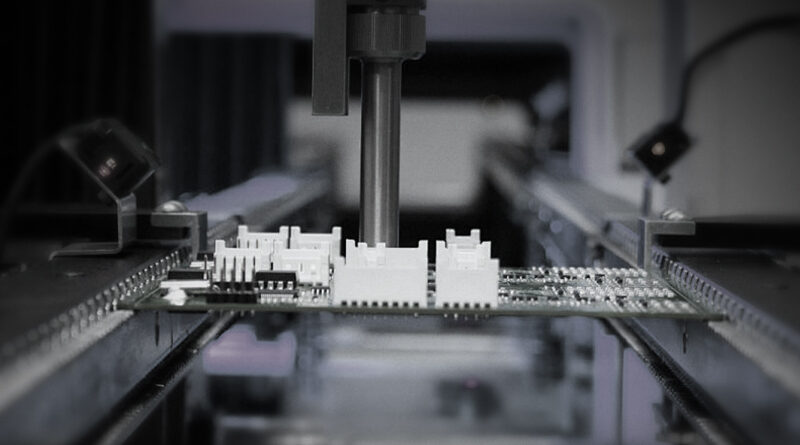


When it comes to manufacturing, electronics assembly plays a pivotal role in the production line, particularly in the realm of Surface Mount Technology (SMT). In order to ensure a smooth and efficient operation, selecting the appropriate SMT placement machine supplier is crucial. With a plethora of options available, the process of choosing the right supplier can be overwhelming. This guide aims to elucidate important factors to consider, while providing insights to help you make a well-informed decision.
Understanding SMT Placement Machines
SMT placement machines are critical in the assembly of electronic components. These machines automate the process of placing components onto printed circuit boards (PCBs), facilitating efficiency and precision. As technology progresses, the features and capabilities of SMT machines continue to evolve, leading to improved performance and production speeds. Understanding the various types and functionalities of SMT placement machines can help you select the right supplier who offers devices that align with your production needs.
Key Features to Look for in an SMT Placement Machine
- Speed: Speed is paramount in SMT assembly. Machines with higher placement rates can significantly improve your production throughput. Consider the maximum placement speed measured in components per hour (CPH).
- Precision: Accuracy in placing components reduces the likelihood of defects, which can be costly. Look for machines with high placement accuracy, typically measured in millimeters.
- Flexibility: The ability to handle various component sizes and types is crucial. Choose a machine that can operate flexibly across different production requirements.
- Ease of Use: User-friendly interfaces can reduce training time and operational errors. Ensure that the machine offers intuitive controls and software features.
- Service and Support: Reliable customer service and technical support can save you time and money. A reputable supplier should provide comprehensive after-sales services, including training and maintenance.
Researching Potential Suppliers
Once you have a clear understanding of the features you need in an SMT placement machine, it’s time to research potential suppliers. Here are some strategies to streamline the process:
1. Utilize Online Resources
The internet is a treasure trove of information. Look for suppliers’ websites, online reviews, and comparison websites. Forums and discussion boards related to electronics manufacturing can also provide valuable insights from industry professionals.
2. Attend Trade Shows
Industry trade shows, such as the IPC APEX EXPO or the NEPCON series, are excellent opportunities to meet suppliers face-to-face. You can see machines in action and ask specific questions about their technologies and offerings.
3. Seek Recommendations
Leverage your network. Seek recommendations from colleagues or industry contacts. When other businesses have had positive experiences with certain suppliers, it’s often worth investigating further.
Evaluating Supplier Capabilities
Having a shortlist of potential suppliers is just the beginning. Evaluate their capabilities to ensure they align with your operational needs:
1. Manufacturing Experience
Consider how long the supplier has been in the industry. Experienced suppliers often have proven track records of reliability and customer satisfaction.
2. Technology and Innovation
In today’s fast-paced technological landscape, suppliers that invest in research and development may offer advanced machinery that can enhance your production capabilities. Look for those who stay ahead of trends and continuously improve their products.
3. Customization Options
Every manufacturing operation is unique. A supplier that offers customizable solutions can provide machines tailored to your specific production requirements, enhancing efficiency and reducing waste.
Understanding Pricing Structures
Cost is a significant factor when choosing a supplier for SMT placement machines. However, it’s important to look beyond the initial price:
1. Total Cost of Ownership
Consider the total cost of ownership (TCO) rather than just the upfront costs. TCO encompasses maintenance, operational costs, downtime, and the longevity of the equipment.
2. Financing Options
Some suppliers may offer financing plans that can make acquiring new machines more manageable. Explore various payment options and leasing contracts that can fit your budget.
Building a Relationship with Your Supplier
Once you’ve chosen a supplier, fostering a good relationship can lead to long-term benefits:
1. Open Communication
Maintain open lines of communication. This includes discussing any concerns during the initial setup and ongoing production phases. A responsive supplier relationship can enhance your operation’s efficiency.
2. Regular Feedback
Providing feedback about the machines and services can help the supplier improve their offerings and tailor their support to better suit your needs.
Final Thoughts on Choosing the Right SMT Supplier
Selecting the right SMT placement machine supplier is an essential part of ensuring the success of your electronics manufacturing process. By understanding the key features of SMT machines, conducting thorough research, evaluating supplier capabilities, and maintaining a good relationship, you can position your business for a successful manufacturing future.