

 EN
EN  ES
ES  FR
FR  AR
AR  PT
PT  RU
RU  DE
DE  IT
IT 
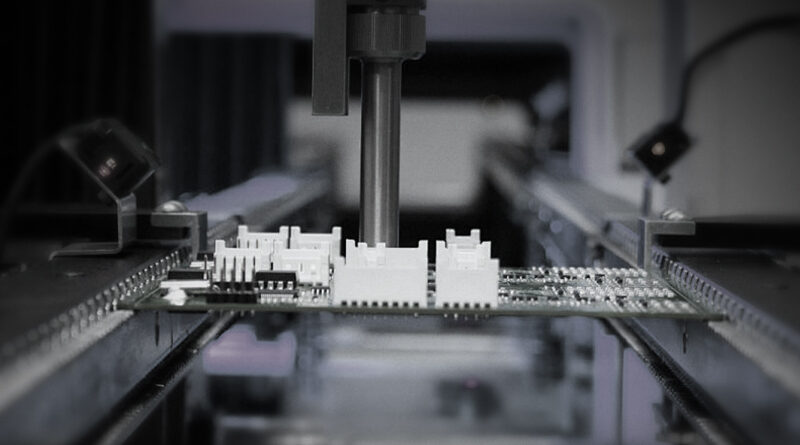
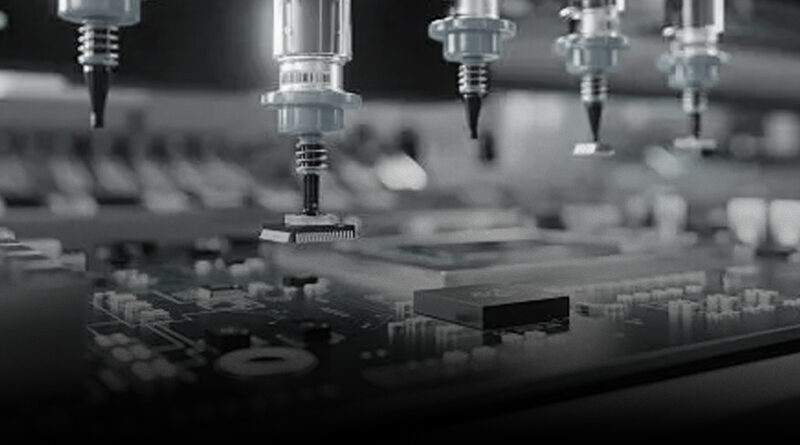
In recent years, the electronics manufacturing industry has undergone a significant transformation, and at the heart of this evolution is the burgeoning market for PCB pick and place machines. As the demand for high-quality electronics accelerates, manufacturers worldwide are turning to China as a hub for these advanced machines. This article explores the innovations in PCB pick and place technology and their considerable impact on the electronics sector in China.
Understanding PCB Pick and Place Machines
PCB (Printed Circuit Board) pick and place machines are essential in the assembly of electronic components. These machines automate the process of placing surface mount devices (SMDs) onto PCBs, ensuring precision, efficiency, and reduced labor costs. With the rapid increase in electronic device complexity and miniaturization, the importance of reliable pick and place machines cannot be overstated.
Technological Advancements Driving the Market
China has emerged as a leader in manufacturing PCB pick and place machines thanks to several technological advancements:
- Machine Vision Systems: advanced camera systems enable machines to identify and position components with exceptional accuracy, significantly reducing errors.
- AI Integration: Artificial Intelligence is now used to optimize the placement process, learning from past performances to enhance efficiency further.
- Modular Designs: Many manufacturers are opting for modular machines that can be easily upgraded or customized, extending the lifespan and adaptability of the equipment.
The Impact on Manufacturing Efficiency
The adoption of PCB pick and place machines in China has revolutionized electronics manufacturing. Here are some ways these machines have enhanced productivity:
- Increased Production Speed: Automated machines can place components at a much faster rate than manual assembly. This speed allows manufacturers to meet higher demands without sacrificing quality.
- Enhanced Accuracy: With state-of-the-art vision systems and automation, the likelihood of errors is drastically reduced, ensuring that each PCB meets strict quality standards.
- Cost Efficiency: By reducing the need for manual labor and minimizing errors, companies can lower their operational costs and improve their profit margins.
Challenges Faced by the Industry
Despite the success and advancements in PCB pick and place machine technology, the industry faces several challenges:
- Rapid Technological Change: Keeping up with the fast pace of technological advancements can be daunting for manufacturers, who must continuously invest in new equipment and training.
- Supply Chain Issues: The global supply chain remains fragile, and disruptions can affect the availability of components necessary for machine production.
- Competition: With numerous companies entering the market, competition is fierce, making differentiation and innovation critical for survival.
Future Trends in PCB Pick and Place Machines
Looking ahead, several trends are anticipated to shape the future of PCB pick and place machines in China:
- Increased Automation: The trend towards fully automated production lines is expected to continue, further integrating pick and place machines with other manufacturing processes.
- Industry 4.0: The integration of IoT (Internet of Things) technology will see machines reporting performance data in real-time, enabling predictive maintenance and efficient resource management.
- Sustainability Efforts: As environmental concerns rise, there will be a greater emphasis on energy-efficient machines and sustainable manufacturing practices, influencing machine design and operation.
China’s Role in Global Manufacturing
China’s dominance in the PCB pick and place machine market is not just limited to domestic production. The country has positioned itself as a global leader in electronics manufacturing. With a vast network of suppliers, a skilled workforce, and a growing emphasis on research and development, China’s capacity for innovation is remarkable.
Global companies increasingly rely on Chinese manufacturers to produce high-quality, cost-effective electronics. This reliance is coupled with China’s investment in advanced manufacturing technologies, including PCB pick and place machines, further solidifying its role as the backbone of the global electronics supply chain.
Conclusion on Quality and Innovation
As we delve deeper into the future of PCB pick and place machines, it is essential to recognize the delicate balance between quality and innovation. Manufacturers must continue to prioritize these aspects to remain competitive in an ever-evolving marketplace. With continuous improvement in technology, China’s PCB pick and place machines will undoubtedly play a pivotal role in shaping the electronics manufacturing sector for years to come.