


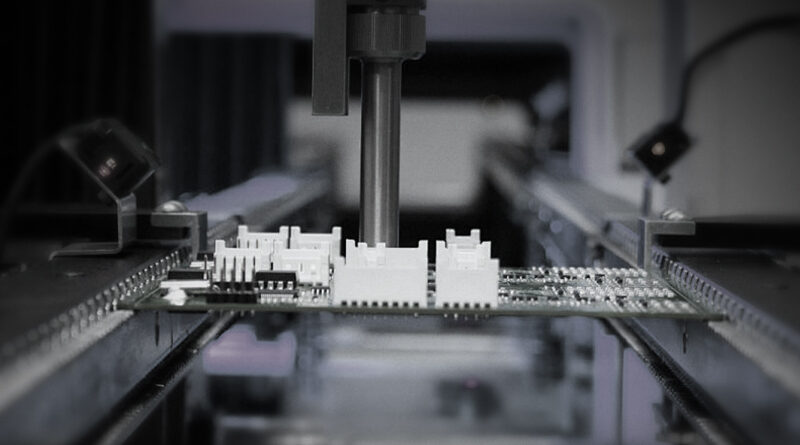
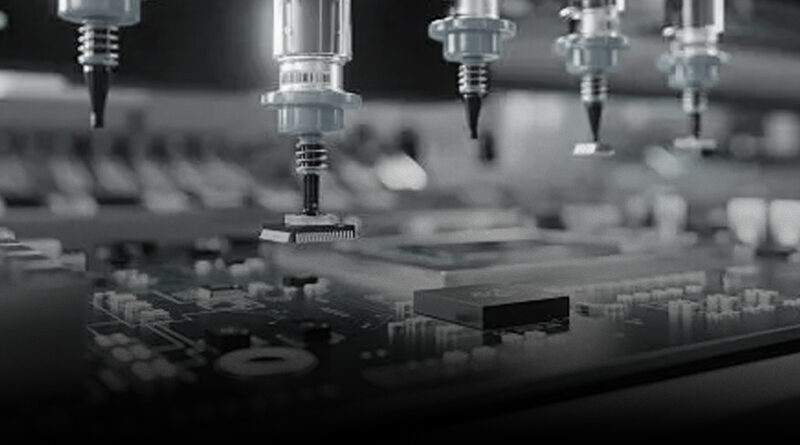
In today’s rapidly evolving manufacturing landscape, the demand for efficiency, precision, and cost-effective solutions is greater than ever. One of the standout innovations that have garnered attention is the LED placement machine. Designed to automate the process of placing light-emitting diodes (LEDs) onto printed circuit boards (PCBs), these machines not only enhance productivity but also ensure precision that meets the rigorous standards of modern electronics.
Understanding LED Placement Machines
At its core, an LED placement machine is a specialized piece of equipment used in the assembly of electronic devices. Its primary function is to accurately position and solder LEDs onto PCBs, which are found in a multitude of applications ranging from consumer electronics to automotive lighting.
As the demand for electronic devices continues to grow, so does the need for efficient manufacturing processes. Traditional assembly methods, which rely heavily on manual labor, can lead to variations in placement accuracy, resulting in defective products and increased operational costs. This is where LED placement machines come into play.
The Importance of Precision in LED Placement
Precision is vital in the assembly process of electronic components. A slight misalignment in the placement of an LED can lead to circuit failures, product recalls, and tarnished brand reputation. LED placement machines utilize advanced technology, including pick-and-place capabilities and vision systems, to ensure that each LED is positioned with utmost accuracy. This not only improves the quality of the final product but also reduces waste and rework.
Benefits of Using LED Placement Machines
1. Increased Efficiency
One of the most significant benefits of incorporating LED placement machines into the manufacturing process is the increase in efficiency. These machines can operate at high speeds, placing thousands of LEDs per hour compared to manual methods which are much slower. This acceleration in production allows manufacturers to meet the growing demand without compromising quality.
2. Cost-Effectiveness
While the initial investment in LED placement machines may seem substantial, the long-term savings can be significant. By automating the placement process, companies can reduce labor costs and minimize errors that lead to additional expenses. Moreover, the improved throughput means that businesses can scale operations without a corresponding increase in operational costs.
3. Flexibility and Adaptability
Modern LED placement machines come equipped with advanced software that allows for rapid changeovers and programming. This flexibility enables manufacturers to switch between different product lines or configurations with ease, catering to ever-evolving market demands. As companies innovate and diversify their product offerings, the ability to adapt quickly becomes a crucial competitive advantage.
Key Features to Look for in LED Placement Machines
When selecting an LED placement machine, there are several key features to consider to ensure that it meets your production requirements:
- Precision Placement: Look for machines that offer high placement accuracy, often measured in microns.
- Speed: Assess the machine’s maximum throughput capabilities to ensure it aligns with your production goals.
- Flexibility: Choose a machine that can accommodate various LED sizes and types to maximize versatility.
- Ease of Use: A user-friendly interface can significantly reduce operator training time and increase productivity.
- Support and Service: Opt for suppliers that provide comprehensive after-sales support and service.
Choosing the Right Supplier
Selecting the right supplier for your LED placement machine is just as critical as choosing the right equipment. Here are some factors to consider when evaluating potential suppliers:
1. Industry Experience
Look for suppliers with a proven track record in the electronics manufacturing industry. Experience often translates into a better understanding of your specific needs and challenges.
2. Reputation
Research the supplier’s reputation among their clients. Customer testimonials and case studies can provide insights into their reliability and the quality of their products.
3. Product Range
A diverse product range is indicative of a supplier’s ability to cater to different requirements. It also indicates their commitment to innovation and staying relevant with industry trends.
4. Customer Support
Choose suppliers that offer robust customer support. Quick and reliable service is essential to minimize downtime and ensure that your production line runs smoothly.
Future Trends in LED Placement Technology
The future of LED placement machines looks promising, with several trends emerging that are likely to shape the industry:
1. Integration of AI and Machine Learning
Artificial intelligence (AI) is set to play a significant role in enhancing the efficiency and capabilities of LED placement machines. AI can be utilized to analyze production data, predict maintenance requirements, and optimize the placement process for improved accuracy.
2. Advanced Vision Systems
As technology progresses, the integration of advanced vision systems will become more prevalent, allowing machines to inspect LED placements in real-time, identify defects immediately, and make adjustments as necessary.
3. Sustainable Manufacturing Practices
With an increasing focus on sustainability, manufacturers are looking for ways to minimize waste and energy consumption in their processes. LED placement machines that incorporate eco-friendly technologies will likely gain traction in the market.
4. Increasing Miniaturization of Electronics
As electronic devices continue to shrink in size, the demand for precision placement of tiny components, including LEDs, will rise. Manufacturers will need to invest in machines capable of handling these smaller components without sacrificing quality.
In conclusion, LED placement machines are redefining manufacturing processes, driving efficiency, precision, and adaptability in the ever-demanding electronics sector. As companies continue to embrace automation and seek innovative solutions, the role of these machines will only become more prominent in paving the path for future advancements.