


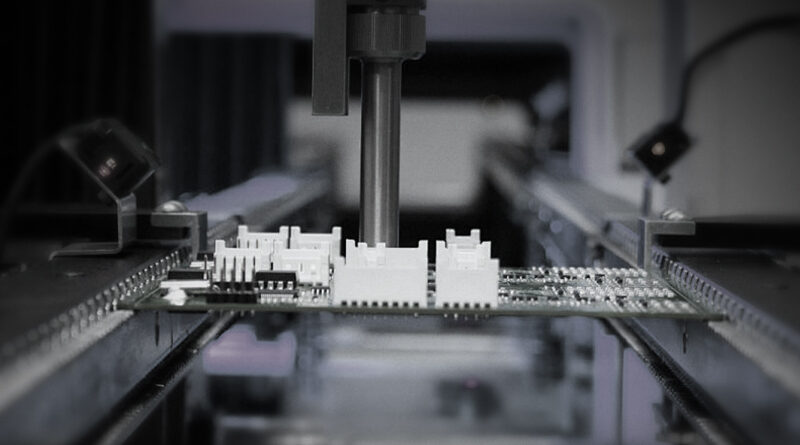
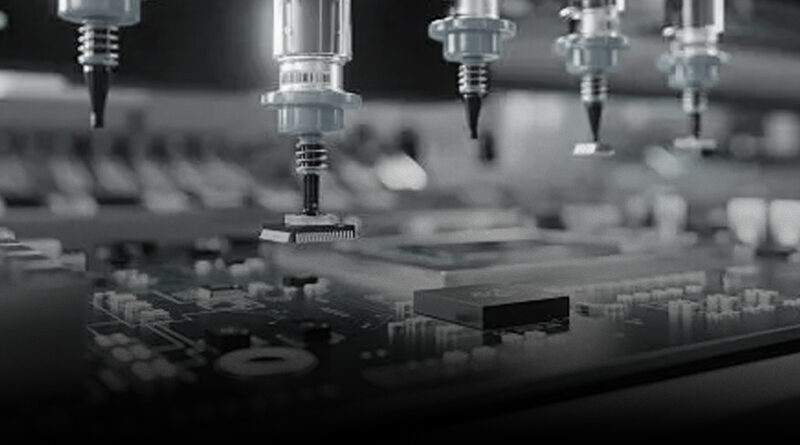
The landscape of manufacturing is evolving at an unprecedented pace, and at the heart of this transformation lies the Surface Mount Technology (SMT) pick-and-place machine. These machines play a pivotal role in the assembly of electronic components, providing the speed, accuracy, and efficiency that the modern manufacturing environment demands. In this article, we will explore the latest advancements in SMT pick-and-place technology, how they are reshaping the industry, and what the future holds for this essential machinery.
Understanding SMT Pick-and-Place Machines
SMT pick-and-place machines are automated devices used to place surface-mounted components on printed circuit boards (PCBs). Their primary function is to improve the speed and precision of electronic assembly processes, significantly reducing the time and labor costs associated with manual assembly. The ability of these machines to handle various component types, including resistors, capacitors, and integrated circuits, showcases their versatility.
Recent Innovations in SMT Technology
Recent years have witnessed a surge in technological innovations designed to enhance the capabilities of SMT pick-and-place machines. Let’s delve into the most notable advancements:
1. Increased Speed and Efficiency
Modern SMT machines are equipped with high-speed vision systems and advanced robotics that enable them to place components at astonishing rates, often exceeding 50,000 components per hour. Manufacturers are now implementing linear motors and advanced mechanisms to minimize cycle times and optimize productivity.
2. AI and Machine Learning Integration
Artificial Intelligence (AI) and machine learning are rapidly transforming the efficiency of SMT machines. These technologies allow machines to learn from previous operations, optimizing pick-and-place strategies based on real-time data. This results in lower downtime and improved first-pass yields.
3. Enhanced Flexibility
As product lifecycles shorten, flexibility becomes crucial. Modern pick-and-place machines are designed with modular architectures that allow manufacturers to easily change setups for different products. This flexibility not only improves efficiency but also reduces waste, significantly lowering manufacturing costs.
The Role of SMT Machines in Industry 4.0
Industry 4.0 represents the next phase in the digital transformation of manufacturing, characterized by smart factories and the Internet of Things (IoT). SMT pick-and-place machines are at the forefront of this revolution, integrating seamlessly into connected ecosystems. They utilize real-time data logging and analytics to monitor performance, ensure predictive maintenance, and optimize workflows.
Real-Time Monitoring
With the integration of IoT capabilities, SMT machines can now communicate with other devices within a manufacturing facility. This means they can alert operators to maintenance needs before a failure occurs, minimizing downtime and maintaining productivity. Such proactive approaches ensure the machinery operates within optimal conditions, ultimately leading to better quality control.
Data-Driven Decision Making
Advanced analytics provides manufacturers with insights into their operations, helping them make informed decisions. By analyzing performance data, companies can identify bottlenecks, optimize material usage, and streamline processes to reduce costs.
Cost Considerations
Investing in SMT pick-and-place technology can be significant, but it often leads to substantial long-term savings. Reducing labor costs, minimizing waste, and increasing production speeds all contribute to a return on investment that many manufacturers cannot overlook. Additionally, improvements in efficiency can significantly enhance profit margins, making it a worthwhile consideration.
Challenges Facing the SMT Industry
Despite the advancements, several challenges remain within the SMT industry. These include:
1. Component Miniaturization
As electronic devices become smaller and more complex, the components used in assemblies are also shrinking. This increases the difficulty of handling and placing these components accurately, necessitating further innovations in SMT technology.
2. Skilled Labor Shortage
The demand for skilled workers familiar with the programming and operation of advanced SMT machines is growing. Manufacturers must invest in training programs to equip their workforce with the necessary skills to use these technologies effectively.
Getting Started with SMT Pick-and-Place Technology
If your organization is considering adopting or upgrading SMT pick-and-place machines, there are several key steps to follow:
1. Assess Your Needs
Begin with a thorough analysis of your manufacturing operations. Identify bottlenecks and inefficiencies that could be alleviated by automation. Understand your current and future production requirements to determine the specifications needed for your SMT machines.
2. Research Models and Features
Invest time in researching various SMT pick-and-place machines on the market. Look for models that offer the features that align with your needs, such as speed, precision, and flexibility. Don’t hesitate to consult with manufacturers’ representatives for tailored recommendations.
3. Plan for Integration
If you’re adding new SMT machines to your existing setup, plan for how they will integrate with current systems. A seamless rollout minimizes disruptions and ensures your existing workflows remain intact.
4. Train Your Team
Finally, ensure that your operators are adequately trained to use the new machines effectively. Ongoing training can help your team stay informed about software updates and new features that enhance productivity.
Looking Ahead
The future of manufacturing is bright, and SMT pick-and-place machines will undoubtedly play a central role in this evolution. With advancements in speed, efficiency, and technology integration, manufacturers who leverage these innovations will position themselves favorably in the competitive landscape. As we continue to explore the vast possibilities that these machines offer, it is crucial to remain adaptable and open to embracing the transformative capabilities of SMT technology.