


In today’s fast-paced manufacturing landscape, efficiency and precision are paramount. Companies are continually seeking ways to streamline their operations, and at the forefront of this transformation are Panasonic placement machines. With cutting-edge technology and a focus on innovation, Panasonic is setting new standards in the world of automated assembly. In this blog, we delve into the features, benefits, and the future impact of Panasonic placement machines on manufacturing sectors.
The Rise of Automation in Manufacturing
Automation is no longer a futuristic concept; it has become an essential component of modern manufacturing processes. From electronic assembly to automotive manufacturing, industries are rapidly adopting automated solutions to enhance productivity. Panasonic, a leader in industrial automation, has developed advanced placement machines that not only increase speed but also improve accuracy and reliability.
What Are Panasonic Placement Machines?
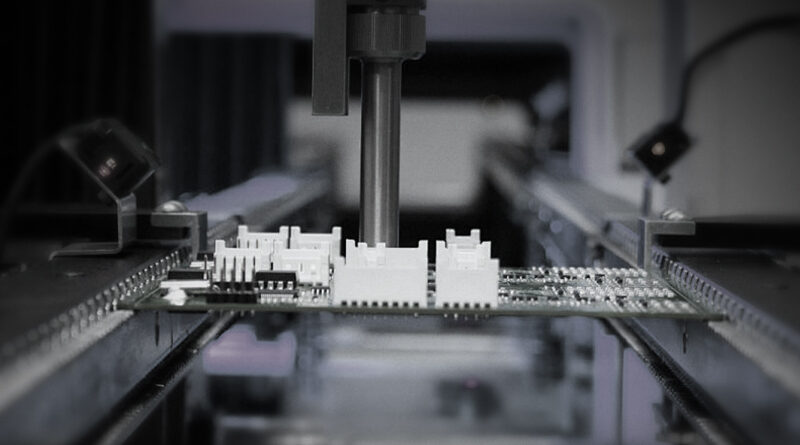
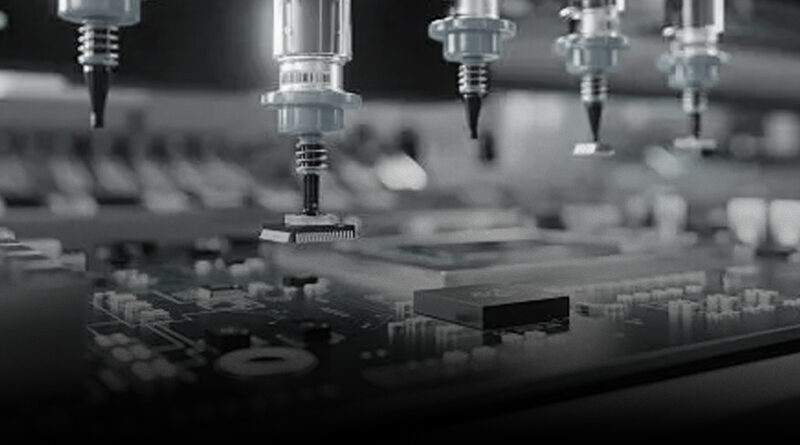
Panasonic placement machines, often referred to as pick-and-place machines, are sophisticated devices designed for the automated assembly of electronic components onto printed circuit boards (PCBs). These machines utilize a combination of robotics, artificial intelligence, and high-precision optics to move components from their storage locations to designated spots on the PCB. The speed and precision of Panasonic placement machines significantly reduce the likelihood of errors, setting them apart from traditional manual assembly processes.
Key Features of Panasonic Placement Machines
Let’s explore some of the standout features that make Panasonic placement machines indispensable on the assembly line:
1. High-Speed Operation
One of the most significant advantages of Panasonic placement machines is their impressive speed. Capable of placing thousands of components per hour, these machines can keep up with the demanding needs of modern manufacturing environments. This operational speed not only increases throughput but also helps meet tight deadlines and reduce labor costs.
2. Precision and Reliability
Precision is crucial in electronic assembly. Any misalignment can lead to product failure and significant costs. Panasonic’s advanced optical systems ensure that components are placed accurately, minimizing errors and enhancing product quality. The reliability of these machines also means less downtime and fewer defects in the final product.
3. Versatile Component Handling
Panasonic placement machines are designed to handle various component types and sizes. From tiny resistors to larger integrated circuits, these machines are adaptable, accommodating diverse assembly requirements across various industries. This versatility makes them an ideal choice for manufacturers looking to produce a wide range of products with a single machine.
4. User-Friendly Interface
The ease of use is crucial in any manufacturing environment. Panasonic machines feature user-friendly interfaces that simplify programming and operation. Whether it’s setting up new jobs or adjusting existing ones, operators can do so with minimal training, reducing potential human errors and speeding up the onboarding process for new staff.
Benefits of Implementing Panasonic Placement Machines
The advantages of incorporating Panasonic placement machines into manufacturing operations extend beyond improved speed and precision. Here are some critical benefits:
1. Cost Efficiency
While the initial investment in automated machines may seem significant, the long-term cost savings are substantial. By reducing labor costs, minimizing waste, and decreasing production times, manufacturers can achieve a quick return on investment. Additionally, increased output directly translates to higher revenue generation.
2. Enhanced Quality Control
Quality issues can sap company resources and damage reputation. Panasonic placement machines are equipped with real-time monitoring and diagnostic features that help identify and address errors during the manufacturing process. This proactive approach to quality control ensures that only the highest quality products reach the market, boosting customer satisfaction and brand loyalty.
3. Scalability
As manufacturers grow and adapt to changing market demands, scalability becomes crucial. Panasonic placement machines are designed to be scalable, allowing businesses to adjust production levels without significant machinery overhauls. This flexibility enables manufacturers to respond quickly to market trends and consumer preferences, keeping them ahead of the competition.
Panasonic Placement Machines in Action
Various industries are already reaping the rewards of integrating Panasonic placement machines into their production lines. For instance:
1. Consumer Electronics
In the consumer electronics sector, where rapid innovation is the norm, Panasonic placement machines ensure that companies can quickly pivot their production lines to accommodate new product designs while maintaining high quality and efficiency.
2. Automotive Manufacturing
Automakers benefit greatly from the precision of these machines, particularly in producing electronic components such as sensors and control modules, which are central to modern vehicles.
3. Medical Devices
The medical device industry demands the highest degree of accuracy, often dealing with complex assemblies and stringent regulatory requirements. Panasonic placement machines provide the precision needed to manufacture reliable devices.
The Future of Panasonic Placement Machines
Looking ahead, the future of Panasonic placement machines appears bright. With advancements in artificial intelligence and machine learning, these machines are poised to become even smarter, capable of predictive maintenance and enhanced operational efficiencies. Panasonic continues to innovate, ensuring their machines remain at the forefront of manufacturing technology. The incorporation of Industry 4.0 principles, such as IoT connectivity and data analytics, will further enhance the capabilities of these placement machines, allowing for even greater integration into smart factories.
As manufacturing continues to evolve, embracing automation with Panasonic placement machines offers a glimpse into the future of industry—where efficiency, precision, and adaptability drive success.