


In the age of intelligent technology and smart manufacturing, automated placement assembly machines are revolutionizing the production landscape. As industries push towards efficiency, precision, and speed, these machines are rapidly becoming central to assembly processes across a range of sectors, including electronics, automotive, and even consumer goods. But what exactly are automated placement assembly machines, and what benefits do they offer?
Understanding Automated Placement Assembly Machines
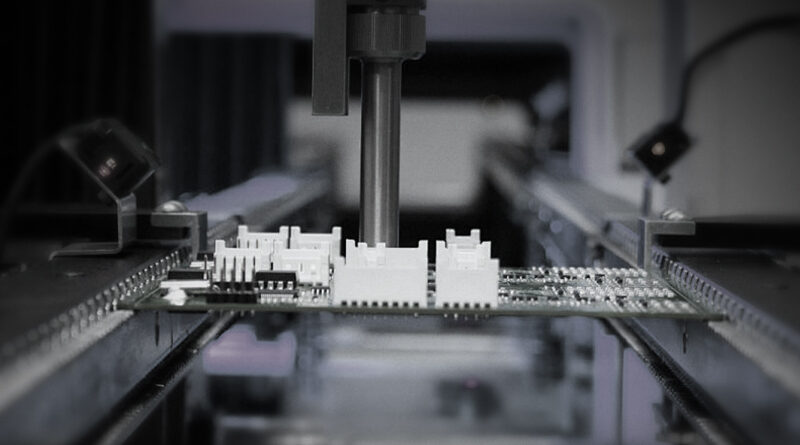
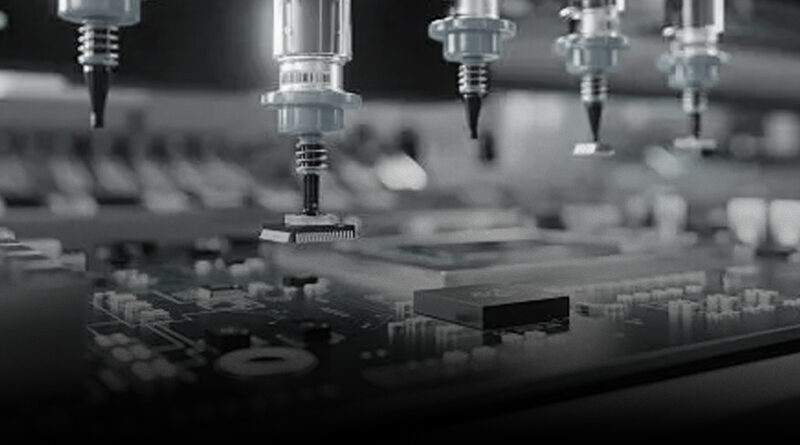
Automated placement assembly machines are sophisticated devices designed to accurately position and assemble components within a manufacturing line. Using advanced robotics and computer-controlled systems, these machines can handle repetitive tasks often performed by human operators, allowing for not only speed but also a remarkable level of precision.
Key Features of Automated Assembly Machines
- High Precision: At the heart of these machines is their ability to maintain consistent accuracy. This precision is crucial in industries like electronics manufacturing, where even the slightest misalignment can lead to failures.
- Increased Speed: Automated machines can operate much faster than human workers, significantly speeding up production lines and meeting increased demand.
- Flexibility: Many modern automated machines are designed to easily switch between different products, making them a flexible choice for manufacturers who produce a range of items.
- Real-time Monitoring: With integrated sensors and IoT technology, these machines can monitor their performance and provide data analytics for efficiency improvements.
Benefits of Implementing Automated Placement Assembly Machines
The integration of automated placement assembly machines into manufacturing operations presents numerous benefits, including:
1. Cost Efficiency
One of the primary motivations for manufacturers to adopt automation is the potential for significant cost savings. By reducing labor costs and minimizing errors during assembly, these machines allow for greater resource allocation and improved profit margins.
2. Improved Quality Control
Quality control is paramount in manufacturing. Automated machines consistently adhere to precise specifications without the variability introduced by human workforces. This heightened consistency results in higher product quality, fewer defects, and ultimately, increased customer satisfaction.
3. Enhanced Safety
Manufacturing environments can be hazardous, with heavy machinery and components posing risks to workers. By employing automated placement machines, the most dangerous tasks can be delegated to these machines, thus mitigating the risk of workplace injuries.
4. Scalability
As businesses grow and demand increases, production scales need to adjust accordingly. Automated placement assembly machines make it easy to increase output by integrating additional machines into existing lines. This scalability allows for rapid response to market demands without compromising quality or efficiency.
Challenges in the Adoption of Automated Placement Technology
While there are many advantages to adopting automated assembly machines, potential challenges should be considered:
1. High Initial Investment
Automating production lines can require significant upfront investment in equipment and training, which may pose a barrier for smaller manufacturers.
2. Technical Expertise
Once implemented, these machines require skilled personnel to operate and maintain them. The need for specialized knowledge can necessitate further investment in training, creating a skills gap that companies must address.
3. Integration with Legacy Systems
Many businesses operate on older machinery that may not easily integrate with newer automated systems. This can lead to complications during implementation and may require further investment in upgrades or new systems.
The Future of Automated Placement Assembly Machines
As technologies like Artificial Intelligence (AI) and the Internet of Things (IoT) continue to evolve, the future of automated placement assembly machines will mirror these advancements. Innovations in AI will enable machines to learn from their environments, optimize processes in real-time, and interact seamlessly with human workers.
Industry Transformation
In the electronics sector, for example, the ability to produce smaller, more complex devices at high speed and precision is driving the demand for advanced automated machines. The automotive industry, too, is seeing a shift toward automation, particularly with the rise of electric vehicles and autonomous robotics.
Greener Manufacturing
Additionally, as sustainability becomes a priority, automated placement assembly machines can contribute to greener manufacturing practices. By optimizing resource use and reducing waste, these machines can help companies meet environmental standards while maintaining profitability.
Conclusion
In this transformative era, automated placement assembly machines stand at the forefront of manufacturing innovation. By harnessing their capabilities, industries around the world can expect to see profound improvements in efficiency, quality, and safety. As technology continues to advance, those who embrace these automated solutions will be best positioned to thrive in an increasingly competitive market.