


In today’s fast-paced manufacturing landscape, efficiency and precision are more than mere goals; they are essentials for success. At the forefront of this revolution are Yamaha placement machines, which have redefined the standards of automated assembly and manufacturing processes.
1. A Brief History of Yamaha in the Manufacturing Sector
Founded in 1887, Yamaha originally made its mark as a piano manufacturer. With a commitment to innovation, the company eventually diversified into various industries, including motorcycles and audio equipment. However, it wasn’t until the late 20th century that Yamaha made significant strides in the automation and manufacturing sectors.
2. The Importance of Placement Machines
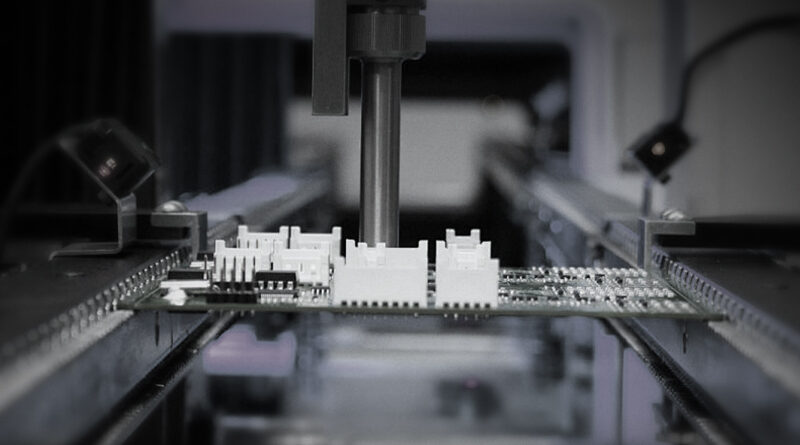
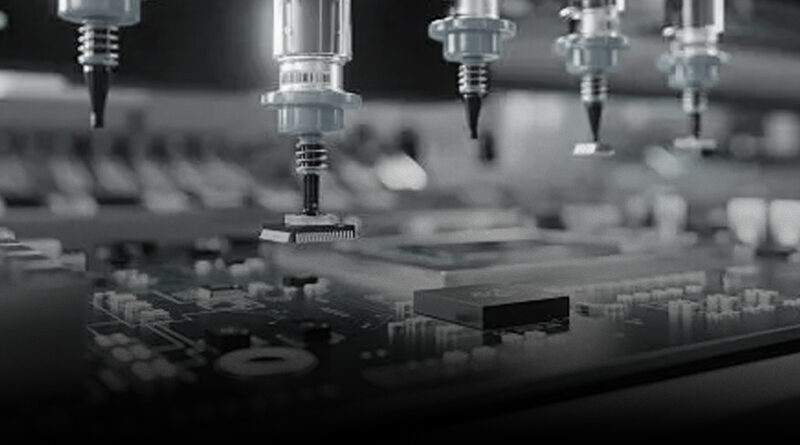
Placement machines are integral to modern manufacturing, particularly in the electronics sector. These machines are designed to place components onto circuit boards with incredible accuracy. The rise of automation has made placement machines vital for companies looking to maximize efficiency and reduce production errors.
2.1 Key Benefits of Using Yamaha Placement Machines
- Precision: Yamaha machines are engineered for precision, ensuring that components are placed correctly every time.
- Speed: The advanced technology in Yamaha placement machines allows for rapid production speeds, significantly increasing output.
- Flexibility: These machines can easily adapt to different products, accommodating various component sizes and shapes.
- Reduced Labor Costs: By automating the placement process, companies can reduce reliance on manual labor.
3. Advanced Technology Behind Yamaha’s Placement Machines
Yamaha’s commitment to innovation is evident in its use of advanced technologies. For instance, their placement machines employ sophisticated algorithms and high-resolution cameras for vision systems, enabling them to identify and place components accurately. These systems are complemented by robust software that allows for real-time monitoring and adjustment.
3.1 The Role of AI in Yamaha Placement Machines
Artificial Intelligence is transforming various sectors, and manufacturing is no exception. Yamaha’s integration of AI into their placement machines allows for predictive maintenance, reducing the risk of machine downtime. Moreover, AI analytics enable manufacturers to optimize their workflows, ensuring that every component and resource is utilized effectively.
4. Case Studies: Success Stories Using Yamaha Placement Machines
Many manufacturing companies have embraced Yamaha placement machines, reaping significant benefits. For instance, a leading electronic component manufacturer reported a 30% increase in production efficiency after implementing Yamaha’s systems. They attributed this success to the machines’ accuracy and adaptability, which significantly reduced their defect rates.
4.1 The Automotive Industry
Yamaha placement machines have also found a niche within the automotive industry. With the increasing complexity of automotive electronics, accurate component placement is crucial. Manufacturers using Yamaha’s technology have noted a dramatic decrease in operational costs and an increase in overall satisfaction from their clients.
5. The Future of Yamaha Placement Machines
As industries evolve, so too must the machines that support them. Yamaha is already working on the next generation of placement machines that integrate further advancements in robotics and AI. These machines promise to deliver faster production times and even more impeccable accuracy.
5.1 Sustainability in Manufacturing
Sustainability is becoming increasingly important in manufacturing. Yamaha recognizes this trend and is developing machines that are not only efficient but also environmentally friendly. By utilizing energy-efficient designs and materials, they are leading the charge towards sustainable manufacturing practices.
6. Choosing the Right Yamaha Placement Machine
With a variety of models available, choosing the right Yamaha placement machine can be daunting. Factors such as production volume, type of components, and the desired flexibility should all factor into the decision-making process. Partnering with a knowledgeable supplier can help manufacturers navigate this landscape and select the right machine for their unique needs.
6.1 Customization Options
Yamaha offers a high degree of customization for their placement machines. Depending on specific manufacturing requirements, companies can tailor their machines to handle different component types and sizes. This flexibility ensures maximum efficiency across a range of applications.
7. Yamaha Placement Machines in Action
To fully appreciate the capabilities of Yamaha placement machines, it’s essential to see them in action. Many manufacturing facilities offer tours that showcase how these machines operate within various production lines. Observing the equipment in a real-world setting can provide invaluable insights into their operational benefits.
8. Training and Support
The purchase of a Yamaha placement machine doesn’t end with installation. Companies must ensure that their staff is adequately trained to operate and maintain these complex machines. Yamaha provides comprehensive support and training programs, ensuring that manufacturers can fully leverage the capabilities of their new equipment.
9. Testimonials from Industry Leaders
Leaders within the manufacturing sector frequently sing the praises of Yamaha placement machines. Positive testimonials highlight not only the increased efficiency levels but also the impressive customer support provided by Yamaha itself. This level of commitment to customer satisfaction solidifies Yamaha’s reputation as a leader in the placement machine segment.
10. Final Thoughts on the Impact of Yamaha Placement Machines
The emergence of Yamaha placement machines has had a profound impact on the manufacturing industry. As businesses continue to strive for efficiency, quality, and sustainability, Yamaha’s innovative solutions position them as a trusted partner for companies worldwide.