

 EN
EN  ES
ES  FR
FR  AR
AR  PT
PT  RU
RU  DE
DE  IT
IT 
In the fast-paced world of manufacturing and production, efficiency and precision are paramount. One of the tools that embody these principles is the pick and place machine. This automated equipment plays a crucial role in the assembly processes, particularly in industries like electronics, automotive, and packaging. In this article, we will explore what pick and place machines are, how they function, and the myriad benefits they bring to various sectors.
What is a Pick and Place Machine?
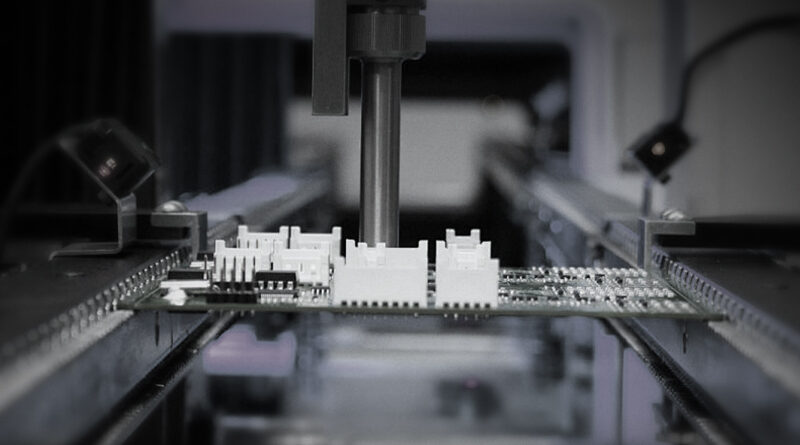
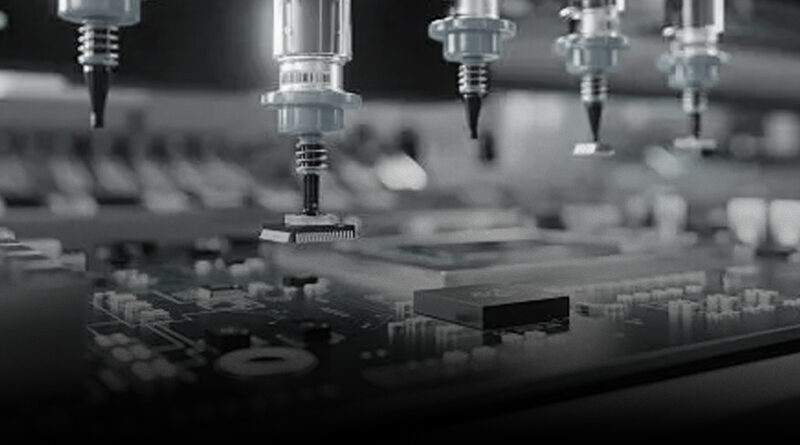
A pick and place machine is an automated device used for the efficient handling and placement of components on a production line. The term “pick and place” refers to the machine’s ability to pick up components from a designated area (often referred to as a feeder) and place them accurately on a printed circuit board (PCB) or in another desired location. These machines are essential in high-volume manufacturing environments where precision and speed are critical.
The Functionality of Pick and Place Machines
Pick and place machines use sophisticated technology to grab and position components accurately. Here’s a closer look at how these machines operate:
1. Component Feeding
The first step in the pick and place process involves feeding components to the machine. Components may be pre-sorted and supplied in various formats, including tape, reels, trays, or bulk. A thoughtful design of the feeding system ensures that parts are delivered consistently and efficiently to the machine.
2. Vision Systems
Advanced pick and place machines are often equipped with vision systems that enhance their accuracy. These cameras enable the machine to identify components, confirm their positions, and verify that the correct parts are being selected. This feature minimizes errors and improves the overall reliability of the assembly process.
3. Picking Mechanism
The picking mechanism is the heart of the pick and place machine. Most commonly, robotic arms equipped with specialized end-effectors are employed to grasp the components. These end-effectors are designed to manage a variety of shapes and sizes, ensuring that the machine can handle a broad range of parts. The speed and dexterity of the picking mechanism contribute significantly to the machine’s overall productivity.
4. Placement Accuracy
Once the components are picked, the machine accurately places them in the desired location. High-end pick and place machines boast an impressive accuracy rate, often within microns, which is essential for applications like surface mount technology (SMT) where precision is crucial. The method of placement can vary, ranging from simply dropping a component to utilizing more complex systems that ensure the part is securely positioned before release.
5. Software and Programming
Modern pick and place machines are controlled by sophisticated software that facilitates programming and operation management. This software allows operators to set parameters for different assembly tasks, adjust placement sequences, and monitor machine performance in real-time. User-friendly interfaces and intuitive controls make it easier for staff to interact with the machine, reducing training time and improving operational efficiency.
Benefits of Pick and Place Machines
The adoption of pick and place machines in manufacturing processes brings about numerous advantages:
1. Increased Production Speed
The automation of the pick and place process significantly boosts production speed. Machines can operate much faster than human workers, leading to higher throughput rates on the assembly line, which ultimately shortens lead times.
2. Enhanced Accuracy
With precise vision systems and robotic arms, pick and place machines achieve a level of accuracy that is difficult for manual processes to replicate. This accuracy reduces the likelihood of defects and rework, leading to improved product quality.
3. Cost Efficiency
While the initial investment in a pick and place machine may be substantial, the long-term cost savings are significant. With reduced labor costs and minimized errors, manufacturers can achieve a quicker return on investment (ROI). Additionally, automation reduces the chances of operational delays caused by human error.
4. Flexibility in Operations
Many modern pick and place machines can be easily reconfigured for different products. This flexibility allows manufacturers to quickly adapt to changes in production demands or to introduce new product lines without significant downtime.
5. Improved Worker Safety
By automating the pick and place functions, industries can move workers away from potentially hazardous tasks, reducing the risk of workplace injuries. This focus on automation not only enhances productivity but also promotes a safer working environment.
Applications of Pick and Place Machines
Pick and place machines find applications across various sectors, showcasing their versatility:
1. Electronics Manufacturing
In electronics manufacturing, pick and place machines are essential for assembling PCBs. They efficiently place components like resistors, capacitors, and microchips with precision, which is critical in obtaining reliable electronic devices.
2. Food and Beverage Industry
In the food and beverage sector, pick and place machines are used to package items such as snacks, beverages, and ready-to-eat meals. Automation in this industry helps maintain consistent packaging quality and speeds up the production process.
3. Automotive Industry
The automotive industry relies on pick and place technology to assemble vehicle components. From placing small parts to managing larger components, these machines streamline the production process in the automotive assembly lines, leading to improved efficiency.
4. Consumer Goods
In the consumer goods sector, pick and place machines are employed for tasks such as assembling products, packaging, and sorting items for distribution. Their efficiency allows companies to meet the growing demands of the market while ensuring quality standards.
5. Pharmaceutical Industry
Within the pharmaceutical industry, pick and place machines streamline the packaging of medications and vaccines. Accurate placement ensures that products are correctly labeled and packaged, which is paramount in maintaining compliance with health regulations.
Future Trends in Pick and Place Technology
The future of pick and place machines is bright, with numerous innovations on the horizon:
1. Integration with AI and Machine Learning
As artificial intelligence and machine learning technologies evolve, we can expect to see improved algorithms that enhance the decision-making processes of pick and place machines. This integration could lead to increased efficiency and adaptability in complex production environments.
2. Collaborative Robotics
Collaborative robots, or cobots, designed to work alongside human operators, are being integrated into production lines. This trend will allow for more flexible and dynamic assembly processes, where humans and machines work hand-in-hand for enhanced productivity.
3. IoT Connectivity
The Internet of Things (IoT) will play a vital role in the future of pick and place machines. With IoT-enabled devices, manufacturers can gather data in real-time, monitor machine performance, and predict maintenance needs, ultimately leading to reduced downtime and higher efficiency.
4. Sustainability Efforts
As industries move towards more sustainable practices, pick and place machines will also evolve. Innovations that enhance energy efficiency and reduce waste during production will be increasingly prioritized.
Final Thoughts
The pick and place machine stands as a pillar of modern manufacturing, combining speed, accuracy, and efficiency. As industries continue to advance, these machines will remain essential in meeting the demands of today’s fast-paced production needs, paving the way for the future of automated assembly.