


The world of electronics manufacturing is constantly evolving. One significant advancement that has taken center stage in this transformation is the modular Surface Mount Device (SMD) placement machine. These innovative machines are designed to improve efficiency, versatility, and accuracy in electronic assembly. In this article, we will explore the benefits of modular SMD placement machines and why they are becoming essential tools in modern manufacturing environments.
What is a Modular SMD Placement Machine?
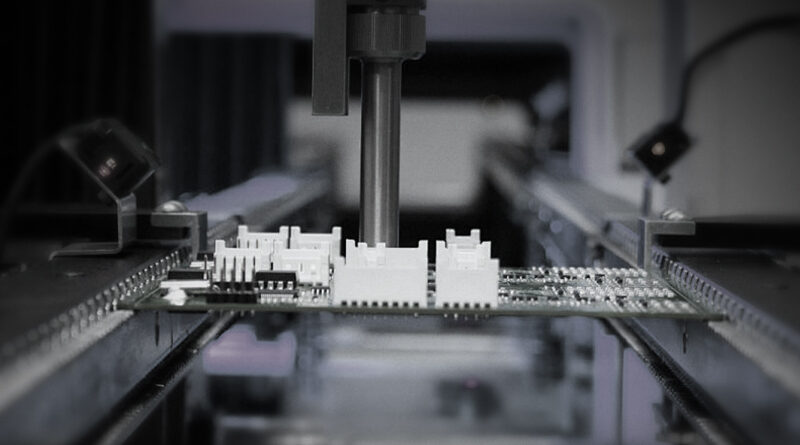
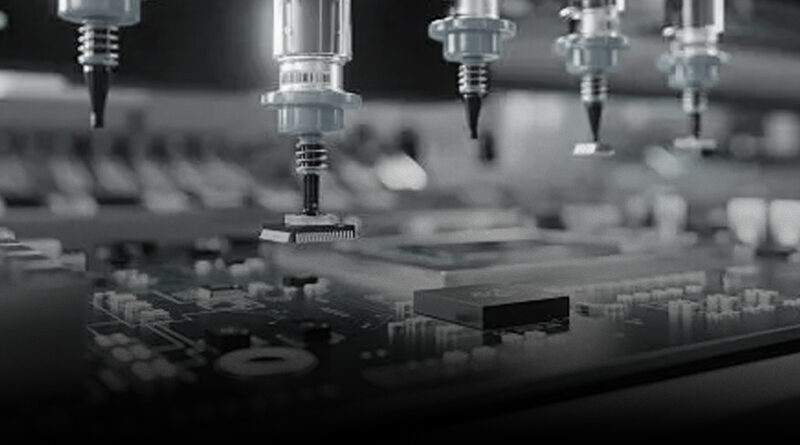
A modular SMD placement machine is a type of automated equipment used in the manufacturing of printed circuit boards (PCBs). These machines utilize advanced technology to place SMD components onto PCBs with precision and speed. Modular systems are designed to be easily reconfigured or upgraded, allowing manufacturers to adapt to changing production needs swiftly.
Key Features of Modular SMD Placement Machines
Modular SMD placement machines come equipped with various features that enhance their operational capabilities. Some of these features include:
- Interchangeable Heads: Many modular machines offer interchangeable placement heads that can be switched out depending on the component size and type, allowing for greater flexibility in production.
- Scalability: As the demands of production increase, manufacturers can easily add additional modules to expand their capabilities without replacing their entire system.
- Advanced Vision Systems: Most modern modular SMD placement machines incorporate advanced vision inspection systems to ensure components are accurately placed, reducing the margin of error.
- Software Integration: These machines often come with software that can manage multiple machines, optimizing workflow and monitoring performance in real-time.
The Advantages of Using Modular SMD Placement Machines
Investing in modular SMD placement machines offers several advantages for manufacturers, including:
1. Increased Production Efficiency
One of the most significant benefits of modular SMD placement machines is the increased production efficiency they offer. By automating the placement process, manufacturers can reduce the time spent manually placing components, which accelerates the overall production process. Furthermore, the ability to switch between different component types quickly allows manufacturers to streamline operations and reduce downtime.
2. Enhanced Flexibility
In a rapidly changing market, flexibility is paramount. Manufacturers are often confronted with fluctuating demand for various products or components. Modular SMD placement machines can easily adapt to these changes, allowing production lines to be reconfigured to accommodate different projects without the need for new machinery.
3. Cost-Effectiveness
While the initial investment in modular SMD placement machines may be significant, the long-term savings can be substantial. By improving efficiency and reducing waste, these machines help manufacturers lower their production costs. Additionally, their modular nature means that companies can expand their capabilities without the financial burden of replacing entire systems.
4. Improved Quality Control
Quality control is critical in electronics manufacturing. Modular SMD placement machines are equipped with advanced vision systems that ensure components are placed correctly the first time, significantly reducing defects. This not only elevates the quality of the final product but also enhances customer satisfaction and trust in the brand.
Applications of Modular SMD Placement Machines
The versatility of modular SMD placement machines makes them suitable for various applications across different industries:
1. Consumer Electronics
From smartphones to home appliances, the consumer electronics industry relies heavily on SMD components for compact design and functionality. Modular placement machines can handle high volumes of diverse products, ensuring that manufacturers can meet consumer demand swiftly.
2. Automotive Industry
The automotive sector has seen an increase in the complexity of electronic systems. Modular SMD placement machines can accommodate a range of electronic components used in foundational systems, improving production efficiency while adhering to stringent safety standards.
3. Medical Devices
In the medical field, precision is key. Modular SMD placement machines allow for the careful assembly of sensitive components within devices, ensuring the highest levels of accuracy essential for life-saving equipment.
4. Aerospace
The aerospace industry demands high reliability and performance. Modular SMD placement machines provide the precision necessary for assembling complex electronic systems used in aircraft and spacecraft.
The Future of Modular SMD Placement Machines
As technology advances, the future of modular SMD placement machines looks promising. Innovations such as AI-driven robotics and predictive maintenance tools are likely to enhance their capabilities even further. Additionally, as manufacturers adopt Industry 4.0 principles, the integration of modular SMD machines into smart factories will enable unprecedented levels of automation and efficiency.
Choosing the Right Modular SMD Placement Machine
When selecting a modular SMD placement machine, manufacturers should consider several factors:
- Production Volume: Assess the expected production rates to identify machines that can meet these demands without sacrificing speed or accuracy.
- Component Variety: Choose machines capable of handling the range of components you expect to use. Interchangeable heads are beneficial in this regard.
- Scalability: Look for machines that allow for easy upgrades or expansions in the future.
- Technical Support: Choose manufacturers that provide robust customer support and training, ensuring your team can maximize the capabilities of the machinery.
In conclusion, modular SMD placement machines represent the forefront of innovation in electronics manufacturing. Their flexibility, efficiency, and accuracy make them invaluable assets for any production line looking to thrive in today’s competitive market. Embracing these advanced tools not only enhances production capabilities but also positions manufacturers to respond rapidly to an ever-evolving industry landscape.