


In the world of electronics manufacturing, the phrase “mini” is not a limitation but a strategic advantage. Mini pick and place machines deliver the precision and speed you expect from a full-scale SMT line, but with a footprint so small it fits on a bench, in a startup lab, or inside a university workshop. For engineers, makers, and early-stage companies, these compact systems unlock rapid prototyping, fast iteration, and cost-effective production without tying up valuable lab real estate. This guide dives into what mini pick and place machines are, why they matter, how to choose the right model, and practical tips to get the most out of your investment—the kind of content that helps you rank for long-tail searches like “mini pick and place machine for prototyping” or “small SMT assembly machine for startups.”
What is a Mini Pick and Place Machine?
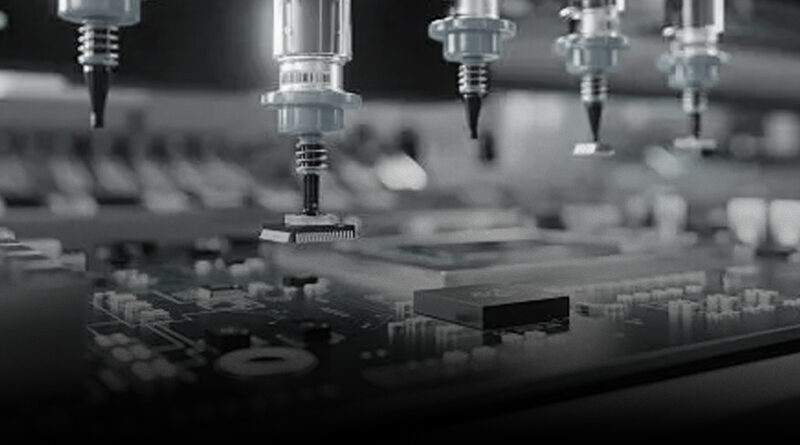
A mini pick and place machine is a compact automation device designed to pick up electronic components from feeders and place them onto a printed circuit board (PCB) with high precision. Despite their smaller size, these machines share the core capabilities of larger SMT pick and place systems: precise X, Y, and sometimes Z axis control; fast placement cycles; board handling; and compatibility with common SMT components such as 0402, 0603, chip resistors, capacitors, QFPs, and even some compact IC packages. The “mini” label typically refers to footprint, weight, and price, but it does not imply a dramatic sacrifice in accuracy or repeatability. In many cases, modern mini PnP machines offer placement accuracies within ±0.02 mm to ±0.05 mm depending on the head design and calibration discipline. For prototyping and R&D work, that level of precision is more than adequate for a wide range of components and soldering methods.
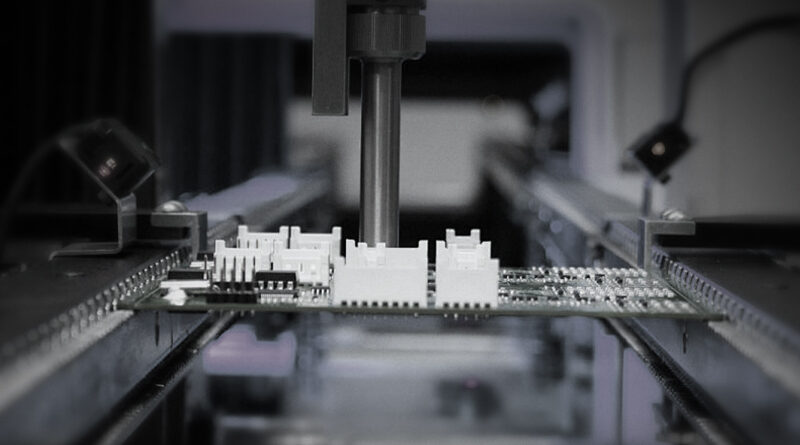
Behind the scenes, the mini PnP combines several key subsystems: a feeder array or cassette system for components, a high-precision placement head (or multiple heads), a PCB handling subsystem (sometimes including a small conveyer or board clamping area), a vision or alignment system to register the board origin, and a control software that orchestrates the entire process. Some models emphasize speed with dual placement heads or rotated heads to place different component types in parallel. Others focus on simplicity and ease of use for education, hobbyists, or teams that need reliable, low-maintenance automation.
Why Mini Pick and Place Machines Matter for Prototyping and Small-Scale SMT
There are several compelling reasons to consider a mini pick and place machine in a prototyping lab or startup environment:
- <strongCompact footprint: A desk-friendly footprint enables you to create a dedicated prototyping station without sacrificing valuable lab space.
- <strongAffordability: While industrial SMT lines require substantial capital, mini PnP machines offer a lower entry price, making automation accessible to individuals and small teams.
- <strongFast ROI: Fast placement cycles and reduced manual labor translate into quicker design iterations and shorter time-to-market for new products.
- <strongEasy procurement and service: Many manufacturers offer ready-to-run packages with feeders, software, and support. Post-sale assistance and spare parts networks are critical for uninterrupted prototyping work.
- <strongEducational value: These machines provide hands-on training for students and engineers, helping teams understand real-world assembly challenges—from part handling to solder joint quality.
From a search perspective, terms like “mini pick and place machine for prototyping,” “small SMT line equipment,” and “compact PCB assembly robot” are common queries. If you are evaluating vendors, look for models that document placement accuracy, supported component types, feeder configurations, and software compatibility with your PCB design workflow. NECTEC, as a one-stop partner for SMT solutions, emphasizes comprehensive support—from PCB handling to inspection and peripheral consumables—making it easier to scale a mini line from prototyping to limited production.
Key Features to Look For in a Mini PnP Machine
Not all mini pick and place machines are created equal. When selecting a model, consider these features as a baseline for a productive, long-term tool:
- <strongPlacement accuracy and repeatability: Check datasheets for typical placement tolerances and long-term stability.
- <strongComponent range: Ensure the machine can handle a range of component sizes common to your designs, including fine-pitch components where applicable.
- <strongHead design: A dual-head or multi-head configuration can speed up throughput, especially if you assemble boards with mixed component types.
- <strongFeeder system: Robust, easy-to-reload feeders reduce downtime. Look for compatibility with standard tapes and a feeder library that matches your component inventory.
- <strongBoard handling and alignment: A reliable origin alignment system—whether optical or fiducial-based—ensures accurate placement across boards.
- <strongSolder compatibility: Consider whether you will employ solder paste printing in-house or rely on pre-stenciled boards. Some mini lines integrate well with compact reflow options.
- <strongSoftware and data workflow: User-friendly interfaces, CAM integration, and compatibility with common file formats (Gerber, ODB++, NC drills) streamline your setup and reduce learning curves.
- <strongSupport and service ecosystem: Access to spare parts, tutorial resources, and responsive technical support makes a big difference in startup environments.
As you compare options, also factor in the overall system price, installation requirements, and the availability of training resources. A compact system that is easy to calibrate and maintain will deliver consistent results and empower your team to iterate quickly rather than chasing tool maintenance.
How a Mini PnP Fits into Your Workflow
Different teams will deploy mini pick and place machines in slightly different ways, depending on the product lifecycle stage, budget, and available labor. Here are a few common workflows:
- <strongPrototype and proof-of-concept: Use the mini PnP to assemble initial PCB iterations for functional testing, enabling rapid design changes before committing to larger runs.
- <strongEducation and training: In universities or training centers, a small, affordable PnP brings students into the world of automation, giving them hands-on experience with real components and soldering processes.
- <strongStartup manufacturing: For early market products, a mini PnP can handle small production runs, pilot lots, and design-for-manufacturability tests without incurring the overhead of a large line.
- <strongR&D and component evaluation: Researchers can evaluate new components and board layouts with minimal risk to larger production lines, enabling fast feedback loops.
The practical upshot is speed-to-market. If your team can go from design to a functioning board in days rather than weeks, you have a competitive edge. A mini PnP becomes the central hub of experimentation, enabling you to test ideas, gather data, and refine your product with fewer bottlenecks.
Choosing Between Popular Mini PnP Models
There are several popular directions in the mini PnP category, and the decision often boils down to your use case, component mix, and desired throughput. Here are some guiding considerations:
- <strongDual-head vs. single-head: If your boards routinely include both small passive components and larger IC packages, a dual-head design can dramatically improve throughput.
- <strongComponent range and accuracy: Some models excel at very small components (like 0201/0402) but struggle with larger bodies. Others have broader ranges but sacrifice some speed. Align the choice with your typical BOM.
- <strongSoftware ecosystem: Intuitive software with robust CAM imports and real-time feedback helps beginners achieve consistent results faster.
- <strongPower and integration: Check the power requirements and whether the system supports seamless integration with a compact reflow oven or other post-placement steps.
In practice, startups and makers often start with a proven, approachable mini PnP that offers reliable customer support and a straightforward upgrade path. NECTEC’s approach to SMT solutions emphasizes a one-stop service model, easing the path from purchase to production with ongoing help and consumables. While Neoden and similar brands are frequently cited in user communities for compact, hobby-friendly options, the right pick depends on your specific BOM, board size, and production goals.
Getting Started: A Practical Roadmap
If you’ve decided a mini PnP machine is right for your team, here’s a practical, step-by-step roadmap to maximize value from day one:
- <strongDefine your use case: List your target board sizes, component sizes, and expected throughput. Quantify your production demand to choose a machine with the right balance of speed and accuracy.
- <strongAssess the workspace: Measure desk space, power availability, and any ventilation needs if soldering or reflow operations will be co-located.
- <strongPlan feeders and parts: Inventory your BOM and select a feeder configuration that covers the majority of your components. Ensure you have a ready library or easy-to-import component data.
- <strongPrepare your PCB workflow: Align your PCB design with the machine’s origin and fiducial requirements. Create clear, machine-readable Gerber or CAM data and establish a consistent board origin so alignment is repeatable.
- <strongCalibrate first boards carefully: Spend time on initial calibration. Validate placement with test boards and measure deviations by component type. Record calibration data for future runs.
- <strongPlan post-placement soldering: Decide whether you will use a dedicated mini reflow oven or a shared reflow station. Ensure there is adequate clearance and ventilation for the oven and that the board size matches the oven’s capabilities.
- <strongEstablish quality checks: Integrate simple inspection steps, such as AOI or manual visual checks, to catch misplacements early. Build a feedback loop to adjust placement programs based on inspection outcomes.
- <strongCreate a maintenance cadence: Develop a routine for cleaning feeders, inspecting nozzles, and replacing worn parts. This reduces downtime and keeps throughput stable.
Following these steps helps you minimize early bottlenecks and maximize the return on your mini PnP investment. The result is a more predictable prototyping cadence and a clearer path to scalable production if your products gain traction.
Best Practices for Precision and Reliability
To extract maximum value from a mini pick and place machine, adopt these best practices that many successful teams use in real-world SMT environments:
- <strongCalibrate often: Mini systems can drift with temperature changes or wear. Schedule periodic re-calibration and keep a log of calibration offsets.
- <strongKeep components clean and organized: Dust or debris on feeders can affect pickup and placement. Clean feeders and use proper component handling to prevent contamination.
- <strongChoose boards designed for automation: Use fiducials and consistent panelization to improve alignment accuracy.
- <strongUse test coupons: Include small test boards in production runs to verify soldering quality and placement consistency over time.
- <strongPrepare for quick iterations: Maintain a library of quick-change recipes for common boards to shorten setup times when you switch designs.
For teams using the NECTEC ecosystem, you’ll find added value in the ability to pair PCB handling, placement, soldering, printing, inspection, and peripheral consumables under one umbrella. This integrated support helps you avoid the friction that often comes with mixing vendors and disparate service networks, speeding up procurement and post-sale assistance.
Common Pitfalls and How to Avoid Them
Even with a well-chosen mini PnP system, a few pitfalls can slow you down. Awareness helps you prepare to prevent them:
- <strongUnderestimating the BOM: A thin feeder selection may lead to frequent reloading and downtime. Plan a feeder kit that covers your typical component mix for at least several boards.
- <strongInadequate board handling: Boards that warp or slip during placement cause misalignment. Ensure proper clamping and consider a stabilized workspace.
- <strongPoor software calibration: Inaccurate origin data can propagate errors. Invest time in learning the alignment workflow and maintain clean origin files.
- <strongInsufficient post-placement inspection: Skipping inspection can hide systemic placement issues. Use a lightweight inspection tool early and scale as needed.
Real-World Scenarios: How a Mini PnP Accelerates Innovation
Consider a small electronics startup designing a wearable device with a compact PCB. The team experiments with 0603 and 0402 passive components, a few small IC packages, and a micro-USB connector. The mini PnP machine becomes the central tool for turning circuit designs into testable boards. The team can quickly iterate on footprint changes, test soldering quality under different paste formulations, and compare the effects of slight alignment changes on yield. Each iteration reduces risk and accelerates decision-making. In this scenario, a compact reflow stage is often paired with the mini PnP to produce end-to-end assemblies, turning a concept into a functional prototype in a fraction of the time it would take using manual assembly.
In an academic setting, a teaching lab uses a mini PnP to demonstrate the impact of placement accuracy on solder joints. Students can configure boards with labeled fiducials, observe how misalignment affects 3D solder coverage, and learn how to optimize footprint design for automated assembly. The result is a richer educational experience that bridges theory and hands-on practice, helping the next generation of engineers understand the realities of modern manufacturing.
Service, Support, and the NECTEC Advantage
Purchasing a mini pick and place machine is just the beginning. The ongoing value of automation depends on service, support, and access to parts. NECTEC positions itself as a comprehensive SMT partner by offering:
- <strongPre-sales guidance: A team that helps translate your project goals into a viable hardware and process plan, including recommended feeders and software configurations.
- <strongEnd-to-end support: From PCB handling to soldering and inspection, having a single trusted partner reduces integration friction and ensures compatibility across the line.
- <strongPost-sales reliability: Ongoing maintenance, quick access to spare parts, and training resources that help teams stay productive.
- <strongConsumables and extensions: A catalog of compatible consumables, nozzles, and auxiliary equipment so that you can scale as your projects evolve.
FAQ: Mini Pick and Place Machines for People and Projects
Here are common questions we hear from teams starting their automation journey with mini PnP machines:
- What components can a mini pick and place handle?: Most mini PnP machines handle standard SMT components (passives such as 0402, 0603, 0805), and many models support small ICs and connectors. Always verify the component range with the vendor based on your BOM.
- Is a mini PnP suitable for production-scale quantities?: Mini systems are ideal for prototyping, pilots, and small production runs. If demand grows beyond a few thousand units per month, you may need to evaluate a larger line or a dedicated partner for high-volume manufacturing.
- How important is vision and board alignment?: Alignment accuracy is critical for high-yield assembly. Look for an integrated alignment system with fiducials and an easy workflow to register the board origin.
- What maintenance should I budget for?: Regular feeder cleaning, nozzle inspection or replacement, calibration checks, and software updates are typical maintenance areas. Having spare parts and a service plan reduces downtime significantly.
- Can I upgrade a mini PnP later?: Many models offer upgrade paths, such as adding a second head or extending the feeder library. Verify upgrade compatibility and total cost of ownership before purchase.
In Summary: The Smart Path with Mini Pick and Place
Mini pick and place machines represent a pragmatic combination of precision, speed, and accessibility for modern electronics teams. They empower rapid prototyping, enable early-stage production pilots, and provide an accessible entry point into automation for startups, makers, and educational labs. The right mini PnP is a balanced tool—a reliable workhorse that integrates smoothly with your PCB design workflow, aligns with your available space, and partners with you through ongoing support and services. For teams that value an ecosystem approach to SMT, NECTEC’s framework highlights the importance of end-to-end solutions, dependable service, and a curated catalog of components and consumables that keep your line running smoothly. With careful planning, diligent calibration, and a focus on repeatable processes, a mini pick and place machine can become the backbone of a fast, affordable, and scalable prototyping operation that turns concepts into tangible products faster than ever before.
As technologies evolve, the appeal of compact automation continues to grow. Mini pick and place machines are not just a niche solution; they are a strategic asset for innovators who demand speed, accuracy, and resilience in the face of tight budgets and limited space. Whether you are an engineer sketching ideas on a bench, a startup founder prototyping your first product, or a student building a hands-on SMT lab, a mini PnP machine can help you realize your design goals with confidence and efficiency. By prioritizing good alignment practices, a robust component library, and reliable service, you position your team to move from concept to working prototypes with clarity and momentum. The result is a more productive workflow, a faster time-to-market, and the satisfaction of bringing ideas to life on a compact, capable platform.