


In today’s fast-paced electronics manufacturing landscape, the demand for precision and efficiency is higher than ever. Surface Mount Technology (SMT) placement machines play a critical role in this industry by ensuring that components are placed accurately and consistently on printed circuit boards (PCBs). This comprehensive guide delves into the essential aspects of SMT placement machines, including their functionality, types, key features, and considerations to keep in mind when selecting the right machine for your production needs.
What is an SMT Placement Machine?
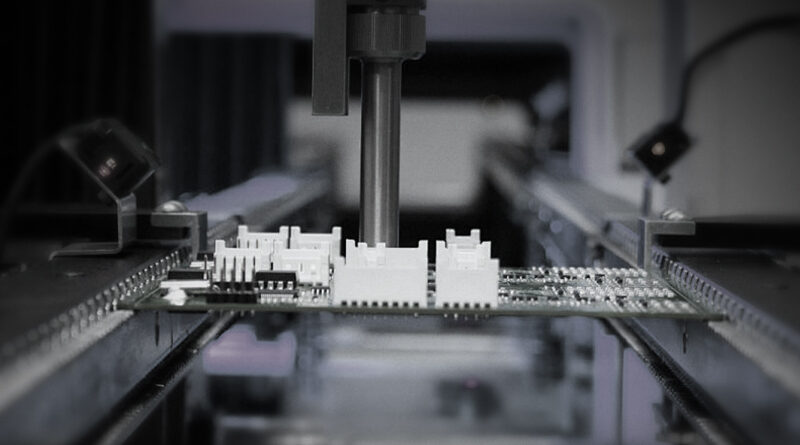
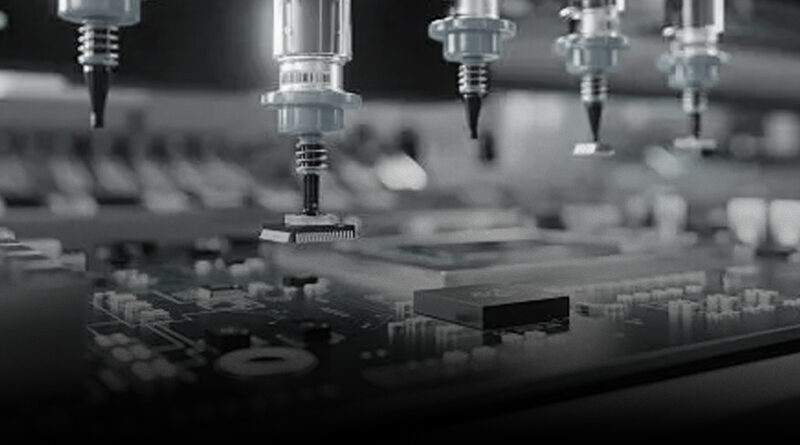
An SMT placement machine, often referred to as a pick-and-place machine, is an automated device used in the assembly of electronic circuits. It is designed to place surface mount components, such as resistors, capacitors, and integrated circuits, onto the surface of PCBs. The accuracy and speed of these machines significantly influence production efficiency and quality, making them a crucial investment for electronics manufacturers.
How Does an SMT Placement Machine Work?
The operation of an SMT placement machine involves several key steps:
- Component Identification: The machine uses vision systems to identify and verify the components through their unique features.
- Placement: After analysis, the components are picked up using vacuum or mechanical grippers and placed onto the PCB.
- Verification: A verification system ensures that each component is placed in the correct location before the next operation begins.
This high degree of automation minimizes human error and enhances repeatability, a vital aspect in high-volume productions.
Types of SMT Placement Machines
Understanding the different types of SMT placement machines can help manufacturers choose the best solution for their production line. Broadly, these machines can be categorized into:
- High-Speed Machines: Ideal for mass production environments, these machines can place thousands of components per hour and are best suited for simple, commonly-used parts.
- Flexible Machines: These machines balance speed and flexibility, accommodating a variety of components, including odd-shaped ones, which makes them suitable for smaller production runs.
- Multi-Function Machines: Equipped with advanced features, these machines handle both placement and inspection tasks, making them versatile choices for complex assemblies.
Key Features to Look for in SMT Placement Machines
When investing in an SMT placement machine, several critical features should be considered:
1. Speed and Throughput
The speed of the machine, usually measured in components per hour, directly impacts production efficiency. It’s essential to select a machine that meets or exceeds your production rate requirements.
2. Placement Accuracy
Component placement accuracy is crucial for maintaining the quality of assembled boards. Machines with advanced vision systems and feedback loops offer higher precision.
3. Flexibility
With ever-changing product designs, the ability to handle different types of components and board sizes without extensive downtime is invaluable.
4. Ease of Programming and Integration
A user-friendly interface and programmable settings allow for quicker adjustments and integration with existing manufacturing processes.
5. Maintenance and Support
Consider machines with easy maintenance protocols and reliable after-sales support to minimize production interruptions.
Benefits of Using SMT Placement Machines
Adopting SMT placement technology offers numerous advantages:
- Increased Efficiency: Automation speeds up the assembly process, making it possible to meet stringent deadlines.
- Improved Quality: The precision of these machines reduces the chances of defects, ensuring higher quality PCBs.
- Cost Reduction: Reducing the workforce required for assembly and minimizing material waste contributes to lowering overall production costs.
- Scalability: With an SMT placement machine, manufacturers can quickly adjust to changes in demand, producing small to large volumes without significant changes in operations.
Factors Influencing the Selection of SMT Placement Machines
Selecting an SMT placement machine involves several factors tailored to your manufacturing needs:
1. Production Volume
Your expected production volume will significantly affect the type of machinery you need. Higher volumes necessitate high-speed placement machines, while lower volumes may benefit from flexible options.
2. Component Types
Assess the size and type of components you commonly use. Certain machines are better equipped to handle odd-shaped or smaller components.
3. Budget Constraints
Define your budget early in the selection process. While higher-end machines offer advanced features, there are also reliable options available at lower price points.
4. Floor Space
Consider the physical space available in your facility. Some machines require a more extensive setup, while others are designed to be compact.
5. Future-Proofing
The electronics market is constantly evolving. Investing in a machine with upgradeable capabilities or modular designs can save costs in the long run.
Final Thoughts on SMT Placement Machines
Investing in the right SMT placement machine is a crucial step for electronics manufacturers aiming to enhance efficiency and product quality. Understanding the various types of machines, their features, and the factors influencing selection can lead to more informed decisions, ensuring that your manufacturing processes are streamlined and competitive. Whether you’re a startup looking to make your mark in the industry or an established firm aiming for operational excellence, understanding SMT placement technology is key to achieving your production goals.