


As technology continues to advance, manufacturing processes have become more sophisticated and efficient. One of the key innovations driving this change is the LED placement machine. Whether you’re a seasoned manufacturer or just starting out, understanding how these machines work and the benefits they bring can significantly enhance your production line’s efficiency. In this article, we delve into the intricacies of LED placement machines, their applications, and their impact on the manufacturing industry.
What is an LED Placement Machine?
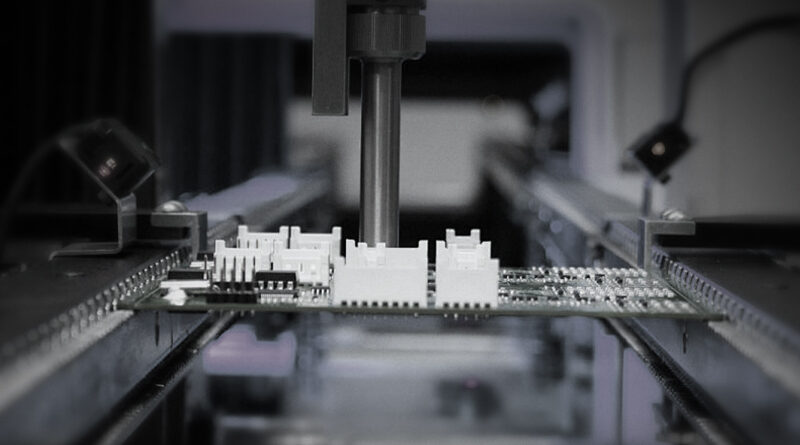
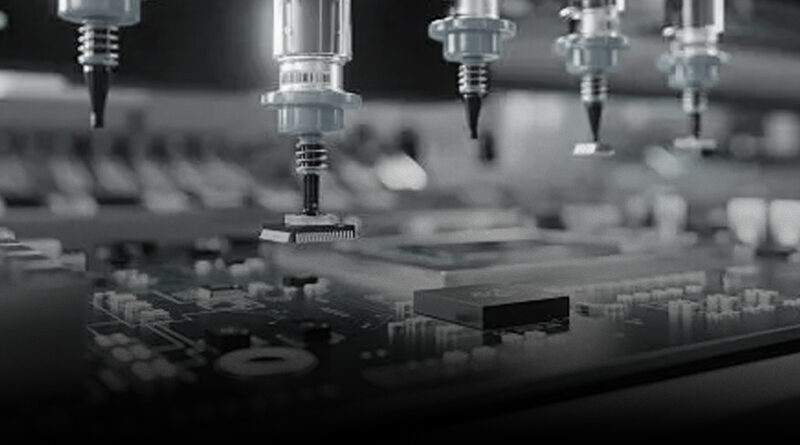
LED placement machines are specialized equipment designed to position and attach light-emitting diodes (LEDs) to printed circuit boards (PCBs) with precision and speed. These machines play a critical role in the production of various electronic devices, from televisions and smartphones to automotive lighting and more. By automating the placement process, manufacturers can enhance productivity, reduce errors, and ensure consistent quality across their products.
The Advantages of Using LED Placement Machines
- Precision: LED placement machines utilize advanced technology to ensure that each component is positioned accurately. This level of precision is crucial, especially in applications where space is limited, such as in compact electronic devices.
- Speed: These machines are designed to operate at high speeds, allowing manufacturers to increase throughput without sacrificing quality. Fast placement ensures that production lines remain efficient, which is essential for meeting market demands.
- Cost-Effectiveness: Although the initial investment in LED placement machines may seem significant, the long-term savings gained through reduced labor costs, minimized errors, and increased production speed often offset these costs.
- Quality Control: Many LED placement machines come equipped with advanced vision systems that detect placement errors in real-time. This ensures that only accurately placed components move forward in production, ultimately enhancing product quality.
How LED Placement Machines Enhance Manufacturing
The integration of LED placement machines into manufacturing processes has revolutionized the way electronic components are assembled. Here’s how they enhance operations:
1. Streamlined Production Process
By automating the placement of LEDs, manufacturers can significantly streamline their production processes. This automation reduces manual labor and minimizes the potential for human error. As a result, companies can achieve a more fluid production line where tasks are completed faster and more efficiently.
2. Flexibility with Design Changes
Modern LED placement machines are designed with versatility in mind. They can easily adapt to different PCB layouts and LED specifications. This flexibility is particularly beneficial in industries where rapid prototyping and design changes are common, allowing manufacturers to pivot quickly to meet changing customer demands.
3. Improved Workplace Safety
With automation handling the delicate task of component placement, the likelihood of workplace accidents decreases. LED placement machines minimize the need for manual handling of soldering and placement, reducing the chance of injuries associated with these tasks.
Key Considerations When Choosing an LED Placement Machine
Investing in an LED placement machine is a significant decision that requires careful consideration. Here are some factors to keep in mind:
1. Production Volume Requirements
Your production volume will greatly influence the type of LED placement machine you need. High-volume manufacturers may require a machine capable of handling significant output, while smaller operations might opt for a more compact model.
2. Types of Components
Different LED placement machines handle various sizes and types of components. It’s essential to select a machine tailored to your specific requirements, ensuring that it can efficiently place all the components used in your production lines.
3. Budget Constraints
While cost shouldn’t be the only deciding factor, it’s essential to consider your budget. LED placement machines can vary in price, and investing in a higher-quality machine often pays off in terms of reliability and efficiency. Balance your initial cost against potential long-term savings.
The Future of LED Placement Machines
The manufacturing industry is on the brink of several technological advancements, and LED placement machines are set to evolve alongside these changes. Here are some trends to watch for:
1. AI and Machine Learning Integration
As artificial intelligence (AI) and machine learning continue to advance, the integration of these technologies into LED placement machines can be expected. Such advancements could improve the machines’ ability to detect and rectify errors, further enhancing quality and efficiency.
2. Increased Automation
The trend toward automation is likely to continue, with manufacturers seeking to reduce labor costs and improve productivity. Future LED placement machines may be equipped with even more automated features that streamline the entire production process.
3. Sustainability Focus
Manufacturers are increasingly prioritizing sustainability in their operations. Future LED placement machines may incorporate eco-friendly technologies that reduce waste and energy consumption, aligning with global efforts to promote sustainable manufacturing practices.
Best Practices for Implementing LED Placement Machines
To maximize the benefits of LED placement machines, manufacturers should consider the following best practices:
1. Regular Maintenance
Routine maintenance is crucial to ensuring the longevity and efficiency of your LED placement machine. Establish a maintenance schedule that includes cleaning, calibration, and system checks.
2. Training Staff
Investing in training for your staff is essential. Proper training ensures that operators can efficiently and effectively use the machine, minimizing errors and enhancing productivity.
3. Optimize Workflow
Work closely with your team to optimize the workflow around the LED placement machine. An efficient workflow maximizes the machine’s capabilities and enhances overall production speed.
Case Studies: Successful Implementation of LED Placement Machines
Examining real-world examples can provide valuable insights into the successful implementation of LED placement machines. Consider the following cases:
1. TechCorp’s Transition to Automation
After investing in an LED placement machine, TechCorp saw a 30% increase in production speed and a significant reduction in labor costs. By automating the placement process, they were able to reallocate resources to higher-value tasks, enhancing overall operational efficiency.
2. Green Electronics’ Eco-Friendly Initiative
Green Electronics integrated an energy-efficient LED placement machine into their production line as part of their commitment to sustainability. The machine not only reduced energy consumption but also improved component placement accuracy, leading to lower waste rates.
Conclusion
So, whether you’re expanding your production capabilities or looking to modernize your existing processes, investing in an LED placement machine can lead to notable improvements in efficiency, accuracy, and overall manufacturing success. Keep an eye on the latest advancements in this field to ensure your operations remain competitive and sustainable in the ever-evolving landscape of manufacturing technology.