


In today’s fast-paced world of electronics manufacturing, businesses are constantly seeking ways to enhance productivity, reduce costs, and ensure precision in their operations. One crucial player in this landscape is the LED placement machine. This machine revolutionizes the assembly process for LED components, contributing significantly to the growth and advancement of LED technology. In this article, we will delve into the current state of LED placement machine manufacturing, explore the latest innovations, and discuss their implications for the future of the industry.
The Growing Demand for LED Technology
LED lights have become ubiquitous in our daily lives, powering everything from simple light bulbs to complex displays. The global shift toward energy-efficient solutions has spurred manufacturers to ramp up production of LED components. According to market research, the demand for LED products is projected to grow at a compound annual growth rate (CAGR) of over 13% from 2021 to 2028. This situation creates an urgent need for efficient manufacturing processes, making LED placement machines a critical asset.
Understanding LED Placement Machines
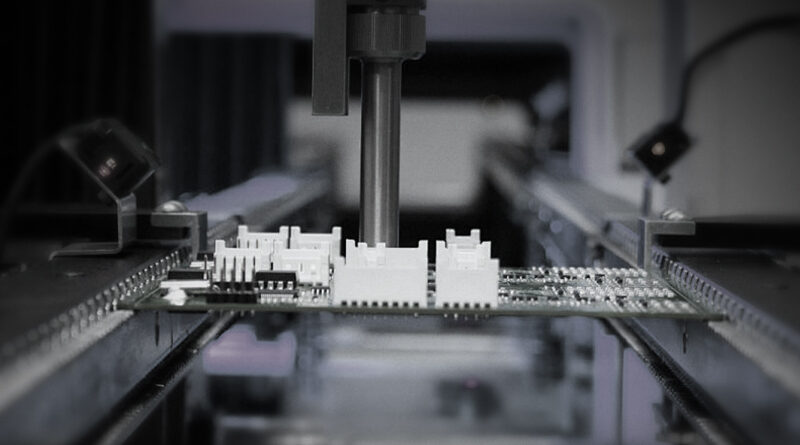
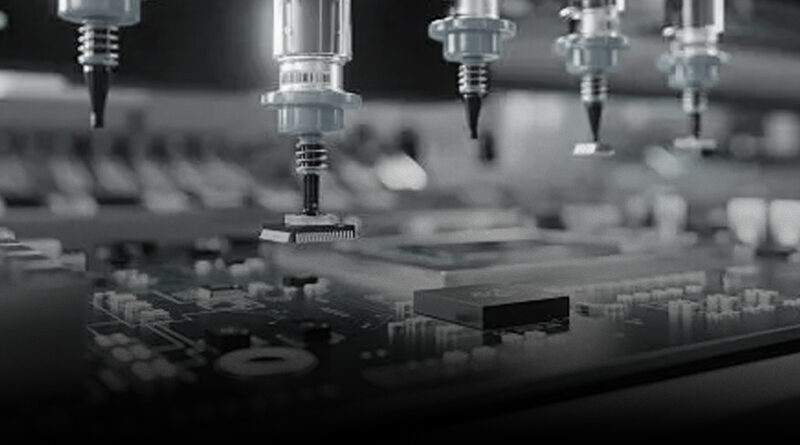
LED placement machines, also known as pick-and-place machines, are automated devices designed to position LED components onto printed circuit boards (PCBs) with high precision. These machines utilize advanced technologies, including vision systems and robotic arms, to ensure accurate placement, thereby minimizing errors and maximizing speed.
Typically, the process unfolds in several stages:
- Component Feeding: Components are supplied through feeders that can hold various kinds of LEDs.
- Pick-and-Place Operation: The machine identifies specific components via a vision system and uses a robotic arm to place them on the PCB.
- Inspection: Post-placement, the assembly is inspected for quality assurance, ensuring all components are positioned correctly.
- Soldering: Automated soldering processes follow to secure components in place.
Innovations in LED Placement Machine Technology
The LED placement machine manufacturing sector has witnessed remarkable innovations over the years. Let’s explore some of the most noteworthy advancements:
1. Smart Technologies and AI Integration
Artificial Intelligence (AI) is reshaping the manufacturing landscape. By integrating AI algorithms, manufacturers can optimize the performance of LED placement machines, improving speed and accuracy. AI can analyze patterns in production data, predict maintenance needs, and adjust operational parameters in real-time, further enhancing efficiency.
2. Increased Speed and Throughput
Modern LED placement machines are now capable of achieving higher speeds than ever before. Manufacturers list speed as a key requirement. Today’s machines can place thousands of components per hour, making them much more efficient than older models. Innovations such as high-speed cameras and advanced pick-and-place head designs contribute to this increased speed.
3. Enhanced Flexibility
The new generation of LED placement machines offers enhanced flexibility, accommodating diverse board layouts and varied LED sizes. This adaptability allows manufacturers to switch between different production jobs swiftly, reducing downtime and improving responsiveness to market changes.
4. Precision Engineering
Precision is paramount in LED assembly to avoid mistakes that could lead to product failure. Recent advancements in laser positioning systems and closed-loop feedback mechanisms enable incredibly accurate component placement, significantly reducing the margin for errors.
Benefits of LED Placement Machines
The implementation of advanced LED placement machines offers several benefits:
1. Cost Efficiency
By automating the assembly process, businesses can decrease labor costs while simultaneously increasing output. With fewer errors and reduced wastage, cost efficiency becomes a significant advantage that contributes to better profit margins.
2. Quality Assurance
The capability of these machines to conduct thorough inspections during the production process leads to higher product quality. This not only enhances customer satisfaction but also reduces returns, further benefiting the bottom line.
3. Scalability
As businesses grow, their production demands increase. LED placement machines can easily scale up operations without the need for extensive re-engineering, allowing companies to meet increasing customer demand seamlessly.
Challenges in LED Placement Machine Manufacturing
While the future of LED placement machine manufacturing looks promising, it is not without its challenges. Some key issues manufacturers face include:
1. Rapid Technological Changes
As technology evolves rapidly, keeping up with the latest advancements can be daunting. Manufacturers must continuously invest in research and development to stay competitive.
2. Skilled Labor Shortage
With the rise of automation, there is often a gap between traditional manual assembly skills and the tech-savvy skills required to operate and maintain modern machines. Training and workforce development are essential to bridge this gap.
3. High Initial Investment
Despite the long-term savings, the initial investment for acquiring advanced LED placement machines can be substantial. Businesses must carefully evaluate their financial capabilities and market demand before making such investments.
The Path Forward
To remain competitive in the ever-evolving LED market, manufacturers must harness the potential of emerging technologies. Continuous innovation, adaptation to new market demands, and embracing automation are crucial for success. The future of LED placement machine manufacturing looks promising, with advancements paving the way for more efficient, precise, and scalable solutions.
In sum, the fusion of cutting-edge technology and intelligent manufacturing practices positions LED placement machines at the forefront of the electronics industry. As LED technology continues to evolve, so too will the machines that produce them, driving forward a new era in efficient and sustainable manufacturing.