


When it comes to precision and efficiency in manufacturing, few companies command as much respect as Yamaha. Known primarily for their motorcycles and musical instruments, Yamaha has also established an impressive reputation in the world of placement machines. This article aims to delve into the intricacies of Yamaha placement machines, exploring their advantages, applications, and maintenance, with an eye towards optimizing their usage for improved productivity.
The Evolution of Yamaha Placement Machines
Yamaha’s foray into the placement machine sector has been both innovative and successful. The company started by leveraging its engineering prowess from the automotive and musical domains to develop machines that could cater to the rapidly evolving needs of the electronics manufacturing industry. The result? A series of high-quality, automated machines designed to enhance production, reduce waste, and improve accuracy.
Key Features of Yamaha Placement Machines
- Versatility: Yamaha placement machines are designed to handle a variety of components. From small chips to larger parts, these machines can adapt to a wide range of manufacturing needs.
- Speed: Equipped with advanced servo motors and optimized algorithms, Yamaha machines ensure rapid placement without compromising on precision.
- Ease of Use: The user interface is intuitive, enabling operators to quickly learn how to operate the machines effectively.
- Automation: High levels of automation mean decreased human error and increased efficiency in production lines.
- Reliability: Yamaha’s commitment to quality ensures that their machines have a long operational life with minimal downtime.
Applications of Yamaha Placement Machines
Yamaha placement machines are widely used across various sectors including:
1. Electronics Manufacturing
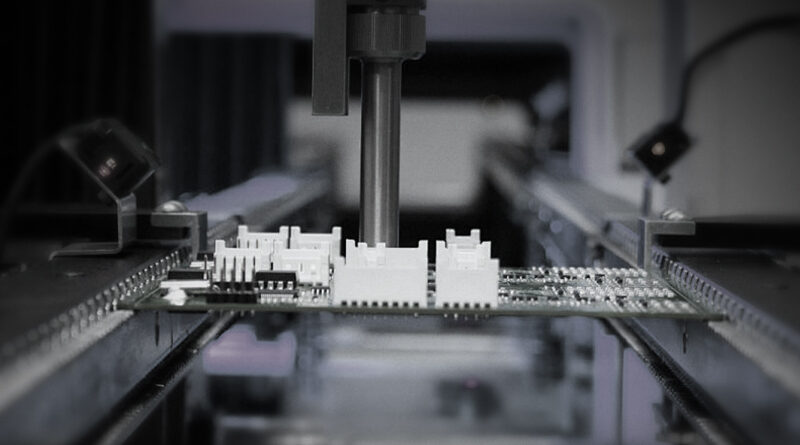
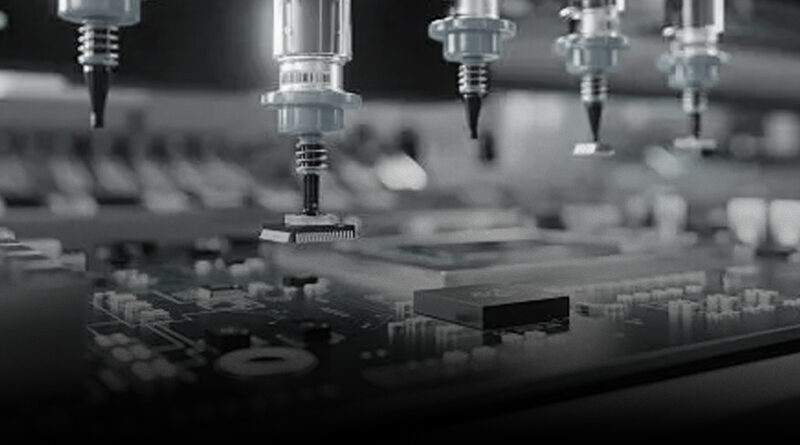
In the electronics industry, precision is paramount. Yamaha placement machines are capable of placing components onto circuit boards with meticulous accuracy, making them a popular choice among manufacturers looking to create reliable electronic devices.
2. Aerospace and Automotive
Both the aerospace and automotive industries require high-level quality assurance for components. Yamaha machines help these sectors ensure that each part meets regulatory standards and performs as expected in critical applications.
3. Medical Devices
The production of medical devices demands not only precision but also the ability to work with a variety of materials. Yamaha placement machines are engineered to handle sensitive components that are crucial for patient safety and the functionality of medical devices.
Benefits of Using Yamaha Placement Machines
Implementing Yamaha placement machines in your manufacturing process comes with several advantages:
- Cost-Efficiency: By increasing production speed and reducing material waste, Yamaha machines can significantly cut down operational costs.
- Enhanced Quality Control: Automated processes include built-in quality checks to ensure that each component is placed correctly, resulting in consistent product quality.
- Scalability: Yamaha machines can be easily scaled up based on production demands, making them ideal for both small and large manufacturers.
- Reduced Labor Costs: Automation minimizes the need for extensive manual labor, freeing up your workforce to focus on higher-level tasks.
Maintenance Tips for Optimal Performance
To get the most out of your Yamaha placement machines, regular maintenance is essential. Here are some crucial tips:
1. Regular Cleaning
Dirt and dust buildup can lead to malfunctioning parts and decreased accuracy. Ensure that all parts, especially nozzles, are regularly cleaned to maintain peak performance.
2. Scheduled Inspections
Conduct thorough inspections at preset intervals to identify any potential issues before they escalate. This proactive approach can save significant downtime and repair costs.
3. Software Updates
Keep your machines updated with the latest software to ensure they incorporate the latest features and improvements from Yamaha.
4. Training for Staff
Investing in staff training can lead to better operation and maintenance practices. Familiarizing your team with the machines ensures they are used to their full potential.
Case Studies: Success Stories Using Yamaha Placement Machines
Exploring real-world applications can provide insights into how Yamaha placement machines can drive success. Here are a couple of notable examples:
Case Study 1: Electronics Manufacturer
A leading electronics manufacturer installed Yamaha placement machines in their production line. Within six months, they reported a 30% increase in output and a 20% reduction in overall production costs. This transformation was largely attributed to the machines’ speed and reliability, enabling them to meet growing market demands.
Case Study 2: Medical Device Company
Another company operating in the medical field incorporated Yamaha placement machines to enhance the assembly of sensitive components. The result was a significant improvement in product accuracy and a decrease in non-compliance incidents, critical factors for maintaining trust in medical device manufacturing.
Future Trends in Placement Machines
As we look ahead, placement machines are likely to evolve with advances in technology. Features such as AI integration for predictive maintenance, enhanced connectivity for real-time monitoring, and improved energy efficiency will be pivotal in shaping the future of smart factories.
Yamaha is poised to remain at the forefront of these developments, continuing to innovate their placement machine offerings to meet the ever-changing needs of various industries. With the growth of IoT (Internet of Things) and Industry 4.0, manufacturers who leverage Yamaha machines will likely lead the charge into a more efficient and automated future.
In summary, Yamaha placement machines represent a pivotal investment for any manufacturer looking to enhance their production capabilities. With a range of features that cater to various industry demands and a commitment to ongoing innovation, Yamaha is set to continue redefining the standards of placement technology.