


In the ever-evolving world of electronics manufacturing, the significance of Surface Mount Technology (SMT) cannot be overstated. With the increasing complexity and miniaturization of electronic components, the demand for efficient and precise SMT placement machines has surged. This blog post delves into the latest advancements in the SMT placement machine industry, exploring key technological improvements, market trends, and what the future holds for manufacturers and consumers alike.
The Rise of SMT Placement Machines
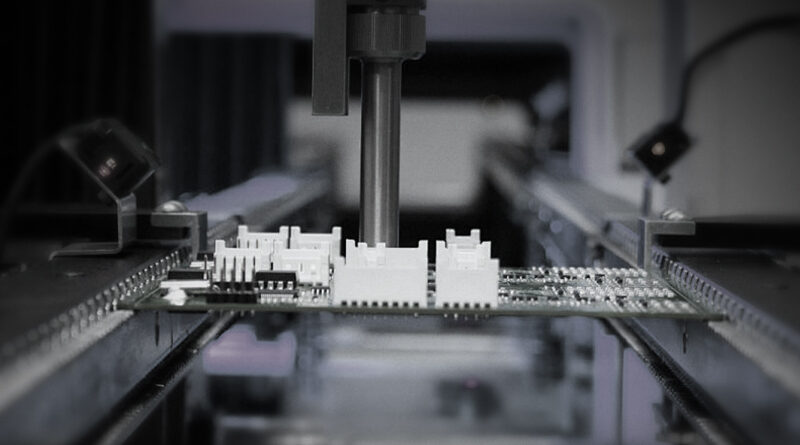
Surface Mount Technology revolutionized the way electronic circuits are assembled. Unlike traditional through-hole technology, SMT allows components to be placed directly onto the surface of a printed circuit board (PCB). This not only minimizes the space required but also enhances performance and reliability. Since its inception, SMT has gained immense popularity in sectors ranging from consumer electronics to automotive applications.
Current Trends in SMT Placement Machines
As the electronics manufacturing industry pushes towards greater efficiency and quality, several trends have emerged in SMT placement machines:
- Automation and Robotics: The integration of robotics in SMT machines has transformed the production floor. Automated placement machines can operate with minimal human intervention, significantly reducing the potential for human error and enhancing production speeds.
- Smart Technology: The rise of Industry 4.0 has led to the implementation of smart technologies in SMT placement machines. These machines use data analytics and IoT connectivity to monitor performance, predict maintenance needs, and optimize production processes.
- Modular Design: Manufacturers are increasingly opting for modular SMT machines that can be easily upgraded or customized. This flexibility allows organizations to adapt to changing production requirements without the need for complete machine overhauls.
- Miniaturization and Precision: As electronic components become smaller and more complex, the demand for high-precision placement machinery increases. SMT machines are now equipped with advanced sensors and cameras for better alignment and placement accuracy.
Technological Innovations Shaping SMT Placement Machines
The drive for performance improvements has spurred numerous technological innovations in SMT placement machines:
Vision Systems
Modern SMT machines are outfitted with advanced vision systems that employ high-resolution cameras to ensure precise component placement. These systems identify and correct alignment issues in real time, which is crucial in maintaining high-quality production standards.
Software Enhancements
Cutting-edge software solutions offer manufacturers a comprehensive suite of tools for managing the entire SMT process. From design validation to machine diagnostics, these software platforms enable manufacturers to streamline operations and enhance productivity.
Flexible Placement Heads
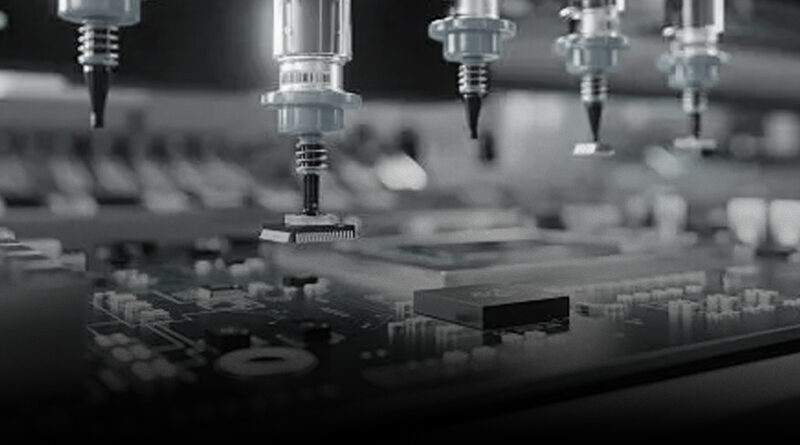
Contemporary SMT machines are equipped with flexible placement heads that are capable of handling a wide variety of component sizes and types. This versatility makes it easier for manufacturers to switch between productions without extensive machine reconfiguration.
The Impact of SMT Placement Machines on Production Efficiency
Investing in high-quality SMT placement machines can significantly impact production efficiency:
- Increased Throughput: With faster processing speeds and reduced downtime, manufacturers can produce higher volumes of electronic assemblies in less time.
- Reduced Material Waste: Precise placement techniques lead to fewer errors, thus minimizing the amount of faulty products and wasted materials.
- Higher Quality Standards: The automation and precision offered by modern SMT machines enhance the overall quality of the finished product, ensuring that they meet stringent industry standards.
Choosing the Right SMT Placement Machine for Your Factory
With a plethora of options available, selecting the appropriate SMT placement machine for your factory can be daunting. Here are key considerations to keep in mind:
Production Volume
For high-volume manufacturers, investing in the latest, high-speed machines is often worthwhile. However, smaller operations may benefit from entry-level machines that provide sufficient capabilities at a lower cost.
Component Variety
Consider the range of components your production line will handle. If your production involves both small and large components, look for machines with flexible placement heads.
Technology and Automation Level
Evaluate your factory’s ability to incorporate advanced technologies. If your production requires real-time monitoring and data analysis, prioritize machines that offer these features.
Future Outlook for SMT Placement Machines
The future of SMT placement machines appears bright, driven by continuous technological advancements. Here are some predictions for the industry:
- Increased Adoption of AI: As artificial intelligence becomes more integrated into manufacturing processes, SMT machines will leverage AI for predictive analytics, fault diagnosis, and production optimization.
- Eco-Friendly Innovation: The push towards sustainable manufacturing will lead to the development of more energy-efficient machines and eco-friendly production processes, reducing the environmental impact of electronics manufacturing.
- Greater Focus on Customization: As consumer demands for unique products grow, SMT machine manufacturers will respond by offering customizable solutions that cater to specific production needs.
In summary, the landscape of SMT placement machines is changing rapidly, propelled by advancements in technology and the increasing demands of modern manufacturing. Staying informed about these changes is crucial for manufacturers aiming to maintain a competitive edge in the dynamic electronics market.