


In today’s rapidly evolving industrial landscape, manufacturing processes have become progressively automated to increase efficiency and reduce labor costs. Among these advancements, pick and place machines stand out as essential tools for streamlining production lines. This guide aims to delve deep into DIY pick and place machines, their importance for manufacturers, and how they can be designed and built to meet specific needs.
What is a Pick and Place Machine?
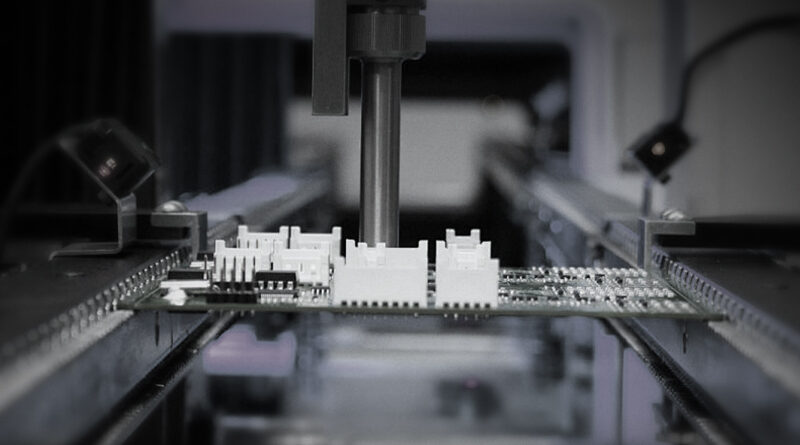
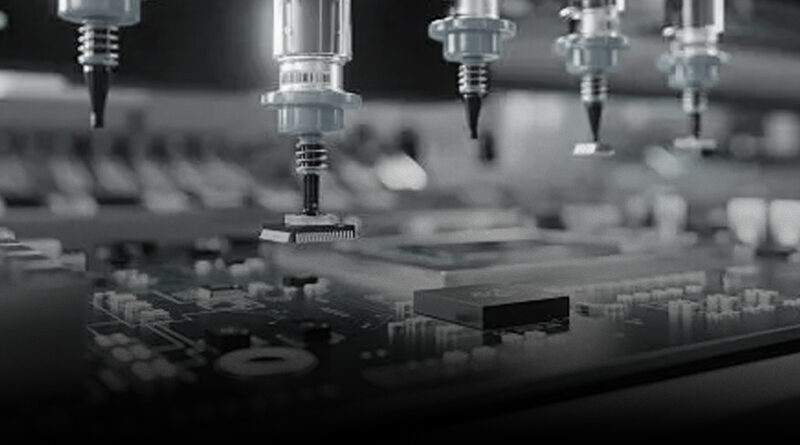
A pick and place machine, also known as a pick and place robot, is an automated device that identifies, grasps, and positions components onto printed circuit boards (PCBs) or other surfaces. Traditionally used in electronics manufacturing, these machines have expanded to various applications, including assembly lines in industries such as automotive, medical devices, and consumer electronics.
The Importance of DIY Pick and Place Machines
Manufacturers increasingly seek customized solutions to tackle specific tasks, making DIY pick and place machines increasingly appealing. Here are some reasons why these machines matter:
- Cost-Effective: Building your own pick and place machine can significantly reduce operational costs. Professional machines can be pricey; opting for a DIY approach negates high initial investments.
- Customization: Each manufacturing process comes with unique requirements. A DIY machine allows manufacturers to design a tool perfectly suited to their needs, be it in terms of size, speed, or flexibility.
- Learning Opportunities: Crafting a pick and place machine from scratch presents exceptional learning opportunities. Engineers and technicians can gain valuable experience in robotics, programming, and mechanical design.
- Adaptability: As manufacturing demands evolve, so too must the equipment. DIY machines can be more readily adapted or expanded than standardized commercial units.
Components of a DIY Pick and Place Machine
Before embarking on the construction of a DIY pick and place machine, it is crucial to understand the key components involved in its operation:
- Frame: The structure must be sturdy enough to withstand the mechanical forces during operation while maintaining precision.
- Motion System: Typically implemented using belt drives, stepper motors, or servo motors, this system controls the machine’s movements along the X, Y, and Z axes.
- Gripper: The mechanism that picks components. The choice can vary from suction cups to mechanical claws, depending on the types of components being handled.
- Control System: A microcontroller (like Arduino or Raspberry Pi) is often used to orchestrate the movements and operations of the machine based on coded instructions.
- Software: From CAD designs to control software, a user-friendly interface makes the machine easier to program and operate.
- Sensor Systems: These can include vision systems to identify components and ensure accurate placement.
Designing and Building Your DIY Pick and Place Machine
Creating your own pick and place machine is a rewarding endeavor that can significantly benefit your business. Here’s a step-by-step process:
1. Planning Your Build
Begin by determining the specifications of your machine based on your manufacturing needs. Consider factors such as:
- Size and weight of components
- Speed requirements
- Workspace availability
- Capital budget
2. Sourcing Materials
Once you’ve established your requirements, source high-quality materials such as aluminum extrusions for the frame, motors, and electronic components from reputable suppliers. Many online platforms specialize in supplying robotics parts, making it easy to find the necessary items.
3. Assembling the Frame
The frame serves as the backbone of your machine. Use sturdy materials to construct a stable base that minimizes vibrations and enhances precision.
4. Installing the Motion System
Integrate the stepper motors and belt drives to facilitate movement along the desired axes. Make sure to align them properly to maintain accuracy during operations.
5. Attaching the Gripper
Choose a gripping mechanism that best suits the types of components you will be handling. A reliable gripper ensures smooth integration with the pick and place process.
6. Establishing the Control System
Use a microcontroller to operate your machine. Program it to manage the movements based on specific instructions to ensure correct operation.
7. Implementing a Sensor System
Adding cameras or other sensor technologies will enhance the accuracy of component identification, making your machine more versatile and efficient.
Programming Your Machine
Once assembled, programming your pick and place machine is crucial for maximizing its functionality. Common programming platforms include:
- Arduino IDE for basic programming needs and sensor interfacing.
- Python or C++ for creating more complex routines and integrating vision systems.
Ensure to test various routines implementing the machine’s movement and gripper controls to refine its performance. Successive iterations will make the machine more efficient over time.
Testing and Optimization
Post-construction, conduct various tests to evaluate the machine’s accuracy, speed, and reliability. Collect data to identify potential flaws and areas of improvement. Optimization may involve adjusting sensor sensitivities or recalibrating the motor speeds.
Real-World Applications of DIY Pick and Place Machines
DIY pick and place machines find widespread use across different sectors:
- Electronics Manufacturing: Effectively populating PCBs with high accuracy and speed.
- Automotive Component Assembly: Assembling small parts in production lines, enhancing throughput.
- Food Production: Automating the packing and sorting processes for diverse food products.
- Medical Devices: Assembling intricate components for diagnostic equipment.
The Future of DIY Pick and Place Machines
The transition towards automation is becoming increasingly significant in manufacturing. As technology advances, DIY pick and place machines will become more accessible, offering enhanced features and functionality. The growing trend of open-source platforms and community-driven innovations assures that manufacturers will continue to have opportunities for creating customized solutions tailored to their precise needs.
In summary, DIY pick and place machines represent a powerful solution for manufacturers looking to adopt automation without exorbitant costs. By understanding the core components and following a pragmatic build process, businesses can harness the advantages of increased efficiency, reduced labor costs, and improved adaptability. Embracing this technology not only provides immediate benefits but also positions manufacturers to thrive in an ever-evolving market.