


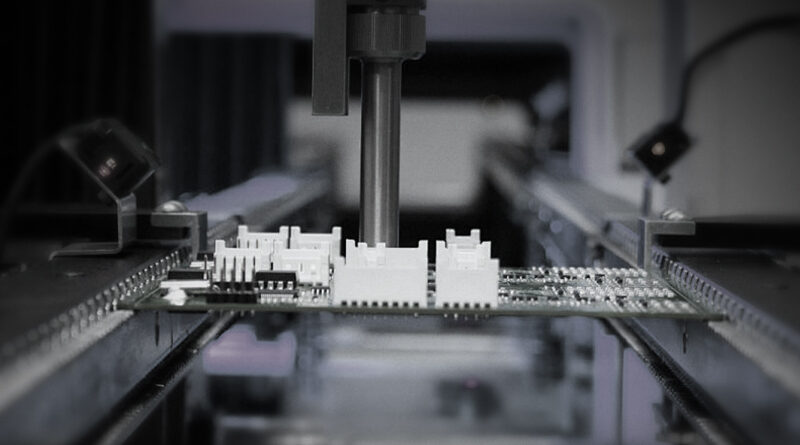


In the fast-paced world of electronics manufacturing, a well-designed SMT (surface mount technology) assembly line is the backbone of reliability, throughput, and quality. Whether you are building consumer gadgets, medical devices, automotive sensors, or industrial controls, the efficiency of your SMT line determines how quickly you can bring products to market, how consistently you meet quality standards, and how effectively you manage costs. This guide blends practical planning insights, equipment overviews, process considerations, and operator-centric practices to help you design, implement, and continuously improve an SMT assembly line that aligns with modern expectations and supplier ecosystems such as NECTEC, a one-stop provider of comprehensive SMT solutions.
The content below is organized to reflect the typical lifecycle of an SMT line—from initial design and supplier selection to daily operation, maintenance, and optimization. It draws on common industry patterns, including the roles of solder paste printing, placement, reflow soldering, inspection, and coating, as well as peripheral processes such as handling, testing, and data management. For readers evaluating line configurations, the discussion highlights how to balance automation levels, throughput targets, and quality requirements while keeping future scalability in view.
1. Understanding the SMT assembly line: what it truly encompasses
Surface mount technology assembly lines are a sequence of integrated processes designed to mount tiny components onto the surface of printed circuit boards (PCBs) with high precision and repeatability. A complete SMT line is more than a string of machines; it is a tightly choreographed system where material handling, process control, and data capture work in harmony. The core elements typically include solder paste printing, component placement, soldering (primarily reflow for SMT components), inspection, and optional post-processing steps such as conformal coating, curing, test, and packaging. At NECTEC, these core capabilities are complemented by an ecosystem of suppliers and services that address PCB handling, peripherals, and ongoing support. Understanding the interplay of each stage helps you diagnose bottlenecks, plan capacity, and optimize yield.
To set expectations, a well-performing SMT line emphasizes three levers: speed (throughput), precision (placement and soldering accuracy), and reliability (uptime and process stability). Achieving the right balance requires careful selection of equipment, a robust feeder strategy, well-tuned process windows, and a culture of continuous improvement. The following sections break down the considerations that drive each lever and how to align them with your production goals.
2. Planning and design: turning goals into an actionable line layout
Effective planning starts with a clear definition of product mix, throughput targets, and quality requirements. The design phase should answer questions such as: What is the expected daily volume? What variations in board size, pitch, and component types will the line handle? How strict are the solder joint reliability requirements? What margin is needed for future product families?
Key planning steps include:
- Product analysis and line balancing: Map the process steps for the typical PCB, from stencil printing to final inspection. Use line balancing techniques to ensure each stage operates near the same throughput, minimizing buffer stock and avoidable wait times.
- Equipment selection and automation level: Decide on automatic, semi-automatic, or manual options for feeders, printers, and pick-and-place machines based on volume and part variety. Higher automation generally reduces labor cost but increases capital expenditure and maintenance needs. NECTEC’s ecosystem helps you evaluate the best mix for your specific scenario.
- Floor space and ergonomics: Plan a linear or U-shaped layout that minimizes travel distance, reduces operator fatigue, and simplifies maintenance access. Consider future growth and modularity to accommodate new products without a full line rebuild.
- Process control and traceability: Establish a data-driven framework from day one. Define what data to capture (machine settings, environmental conditions, scrap rates, defect types) and how it will feed your MES, SPC, and yield analysis.
In the design phase, it is also important to consider supplier support. A partner like NECTEC can help you select compatible machines, manage spare parts inventory, and provide design-for-manufacturing (DFM) guidance. Aligning your expectations with the vendor’s capabilities reduces risk and accelerates implementation.
3. Core equipment: what makes the SMT line tick
A typical SMT line comprises several key subsystems, each with its own set of capabilities and maintenance needs. Here is a practical equipment overview that differentiates essential choices from optional add-ons:
- Solder paste printer (screen printer): The printer deposits solder paste through a stencil onto PCB pads. Uniform paste deposition is critical for reliable joints and consistent reflow. Important parameters include stencil thickness, print speed, off-time (wipe), and alignment accuracy. Modern printers offer automated stencil cleaning, vision-assisted alignment, and process monitoring to reduce print defects.
- Stencil and stencil management: The stencil governs paste transfer. Seasonal variations in demand and quick changeovers require robust stencil handling, easy cleaning, and precise registration. A well-managed stencil library minimizes print variations across different boards.
- Pick-and-place machines: These robots pick components from feeders or cavities and place them at precise coordinates on the PCB. Key performance indicators include placement accuracy, speed (components per hour), nozzle variety, and feeder capacity. Multi-nozzle heads and advanced vision alignment enable high-mix, low-volume production without sacrificing accuracy.
- Feeder system and part handling: Feeders hold components in a ready-to-order state for the pick-and-place head. Efficient feeder management, including automated reel-to-reel loading and tape-and-reel compatibility, reduces changeover times and increases uptime.
- Reflow oven: After components are placed, boards pass through a reflow oven to solder joints. The oven temperature profile must be tailored to the solder paste and board assembly, ensuring complete melting of solder and minimizing thermal stress. Modern reflow lines optimize energy use and support varied board sizes through modular heating zones and programmable profiles.
- Inspection and testing equipment: Post-reflow inspection is crucial. Automated Optical Inspection (AOI) and Solder Paste Inspection (SPI) detect defects early. X-ray machines monitor hidden joints (such as BGA and QFP solder joints). Functional testing and in-circuit testing may follow to validate electrical performance before packaging.
- Conformal coating and curing (optional): For environmental protection and reliability, additional steps may include coating and curing, which require controlled environments and precise masking.
- Peripheral equipment: This includes solder paste printers, conveyors, adhesion monitoring, waste management, and data interfaces that connect equipment to a central control system.
When selecting equipment, consider not only the unit cost but also serviceability, spare parts availability, software updates, and the vendor’s capability to support integration with your MES and quality systems. A well-coordinated equipment stack reduces the risk of compatibility issues and shortens the learning curve for operators.
4. Material flow, feeders, and changeovers: keeping the line smooth
Material handling is often the unsung hero of an efficient SMT line. Poor feeder management or awkward changeovers can drag down throughput and raise scrap. Practical strategies include:
- Plan for high-mix, low-volume scenarios with flexible feeders and quick-change jigs. Consolidate common parts into shared feeder banks to reduce downtime during changeovers.
- Implement a feeder labeling and traceability system so operators can quickly identify the correct components for a given product, minimizing misfeeds and misplacements.
- Use tape-and-reel or tray-based components in a way that optimizes loading times and reduces component handling errors. Consider automation that can replenish feeders automatically during a shift.
- Standardize bin locations and Kanban-style replenishment to maintain steady supply without tying up work-in-process on the line.
- Maintain a spare parts and consumables inventory that aligns with line utilization and supplier lead times. A well-managed inventory reduces unplanned downtime and keeps the line running with minimal interruption.
Coordination between material flow and process steps is essential. When feeders run empty, the line grinds to a halt; proactive monitoring and timely replenishment keep throughput predictable and stable.
5. Printing and placement: achieving consistent quality from paste to placement
The printing and placement stages are the heart of SMT quality. They determine how faithfully components land on the PCB and how reliably joints form during soldering. Key considerations include:
- Solder paste quality and deposition: Ensure paste viscosity, temperature, and stencil alignment are within specified windows. Inline SPI can help detect issues such as insufficient paste volume, bridging, or excessive fillet formation.
- Print repeatability: Monitor print thickness, paste offset, and stencil slump. Regular stencil cleaning and maintenance preserve stencil integrity and print consistency across shifts and product families.
- Placement accuracy: Align the pick-and-place head with board fiducials and use vision systems to compensate for PCB tolerances. Regular calibration routines and machine-level housekeeping help keep accuracy within spec.
- Component variety and nozzle management: Maintain a robust nozzle library to accommodate a wide range of package sizes and shapes. Failure to match nozzle to component leads to misplacements or component damage.
- Changeover efficiency: Build standardized changeovers with preconfigured recipes, component libraries, and jig setups. Time spent on changeovers should be minimized to maintain line throughput for mixed-product runs.
In practice, a disciplined regime of process control, routine maintenance, and data capture turns these stages into reliable, repeatable operations that support high yield and predictable cycle times.
6. Soldering: optimizing reflow profiles and, when needed, wave alternatives
Reflow soldering is the predominant method for SMT connections. The goal is to create strong, reliable joints across a range of components while avoiding defects such as tombstoning, voids, or skewed joints. A well-tuned reflow process considers:
- Thermal profiles: Calibrate the preheat, soak, and reflow zones to suit solder paste and board materials. The profile should minimize thermal shock and ensure proper diffusion of solder without overheating fine-pitch components.
- Board and component compatibility: Each PCB and package has a thermal signature. Ensure the line supports the broadest possible range of boards with minimal reflow window adjustments.
- Quality monitoring: Use thermocouples and inline temperature sensing to verify that the board experiences the intended temperature profile throughout the oven.
- Alternative soldering approaches: For some through-hole or heat-sensitive assemblies, wave soldering or selective soldering may be appropriate as part of an integrated line. NECTEC’s solutions can help you evaluate whether a hybrid approach adds value to your product mix.
Beyond the oven, attention to board handling before and after reflow reduces warpage and static-related issues. A well-ordered conveyance path reduces mechanical stress and contributes to higher first-pass yield.
7. Inspection and quality control: catching defects early
Inspection is a cornerstone of quality assurance in SMT manufacturing. A layered approach—SPI for paste, AOI for component placement and solder joints, and X-ray for hidden joints—helps detect defects at multiple points in the process. Consider these guidelines:
- Inline SPI and AOI: Integrate solder paste inspection and board-level inspection into the production line to identify defects early, enabling quick remediation and reducing scrap.
- Imaging and alignment: High-resolution cameras, lighting, and precise alignment algorithms improve defect detection while minimizing false positives. Regularly recalibrate lighting and imaging settings for different product families.
- Statistical process control (SPC): Capture defect rates, process parameters, and environmental conditions to model process stability. Use SPC dashboards to identify when a parameter drifts and schedule preventive adjustments before yield drops.
- Data-driven remediation: When defects are detected, conduct root-cause analysis that considers stencil wear, misfeeds, camera calibration, or reflow profile drift. Track corrective actions and verify their effectiveness with subsequent lots.
- Traceability: Maintain traceability at the board and component level, including lot numbers, supplier data, and process run records. This enables efficient recalls or issue investigations if defects surface after shipment.
- Centralized data collection: Implement a data hub that collects machine telemetry, environmental data, and operator actions. Ensure data is normalized for cross-machine comparisons and long-term analysis.
- Real-time monitoring and dashboards: Use live dashboards to track critical KPIs such as cycle time, defect rate, line utilization, and scrap rates. Visual indicators help operators respond quickly to anomalies.
- Predictive maintenance: Analyze vibration, temperature, and cycle counts to forecast equipment wear and schedule maintenance before failures occur. This reduces unplanned downtime and extends equipment life.
- Traceability and compliance: Maintain detailed records for regulatory and customer requirements. A transparent data trail supports quality assurance and post-delivery support.
- MES integration: Link the SMT line with a manufacturing execution system (MES) to coordinate production scheduling, track work-in-progress, and optimize changeovers across multiple lines or sites.
- Preventive maintenance schedules: Routine cleaning, lubrication, nozzle checks, belt tensioning, and nozzle replacement to prevent performance degradation.
- Calibration routines: Periodic calibration of printers, pick-and-place heads, and inspection cameras ensures continued accuracy and repeatability across shifts.
- Spares management: Maintain an inventory of critical components such as nozzles, seals, sensors, and common consumables to minimize downtime when parts fail.
- Software updates and compatibility: Keep machines up to date with the latest firmware and control software. Ensure compatibility with central data systems and network security standards.
- Vendor support collaboration: Establish clear service level agreements (SLAs) and on-site response times. A strong relationship with a trusted supplier like NECTEC can shorten resolution times and simplify complex repairs.
- Modular, scalable lines that accommodate increasing demand and a broader product mix without complete rebuilds.
- Advanced vision and AI-assisted inspection to reduce false positives and accelerate defect triage.
- Predictive maintenance enabled by sensors and analytics to minimize downtime and optimize maintenance windows.
- Integrated conformal coating and protective processes for environmental resilience in harsh operating environments.
- Enhanced supplier ecosystems that provide end-to-end solutions, including pre-sales support, training, and after-sales service that boost operator proficiency and line reliability.
- Start with a clear product profile: Document board sizes, components, tolerances, and required yield. Use this profile to drive equipment choices and line layout.
- Invest in changeover efficiency: Pre-create recipes, part libraries, and fixture setups for the most common products. Reducing changeover time directly increases line throughput.
- Prioritize inspection coverage: Combine SPI and AOI with periodic X-ray checks for critical assemblies to catch a wide range of defects across the line.
- Embrace data-driven decision making: Collect and analyze data continuously. Use it to identify bottlenecks, test process changes, and validate improvements with measurable KPIs.
- Foster a strong partnership with suppliers: A trusted vendor can provide training, spare parts, and rapid responses to issues. A one-stop provider like NECTEC helps simplify procurement and ensure compatibility across equipment and consumables.
- Nurture the workforce: Provide ongoing training for operators and maintenance staff. A well-trained team reduces human error, accelerates problem resolution, and sustains high performance over time.
- A successful SMT line balances speed, precision, and reliability through thoughtful planning and modular equipment choices.
- Core processes—solder paste printing, component placement, and reflow soldering—define early yield potential; search for process control opportunities at each stage.
- Material handling, feeders, and changeover strategies significantly influence downtime and throughput; optimize for high-mix, low-to-medium volume scenarios.
- Quality assurance relies on a multi-layer inspection approach (SPI, AOI, X-ray) plus SPC and data analytics to drive continuous improvement.
- Data integration with MES and predictive maintenance unlocks higher uptime and better decision-making across the line.
- Partnering with a capable supplier like NECTEC can streamline planning, procurement, installation, and ongoing support, delivering faster time-to-volume and long-term stability.
8. Data, traceability, and Industry 4.0 readiness
Modern SMT lines thrive on data. A robust data framework links equipment, operators, and process analytics. Benefits include improved traceability, proactive maintenance, and optimized throughput. Practical steps include:
9. Maintenance, service, and support: sustaining peak performance
Regular maintenance is the best investment a manufacturer can make. It protects uptime, preserves accuracy, and extends the life of expensive equipment. A practical maintenance program includes:
10. Case example: a typical mid-volume SMT line deployment
Consider a mid-volume electronics company that produces a family of products with similar PCB footprints but varying component counts. The project kicked off with a detailed product mix analysis, a modular line layout, and a staged implementation plan. The chosen approach prioritized a high-reliability pick-and-place system with multiple nozzle configurations, a capable solder paste printer, and a reflow oven with adjustable heating zones to accommodate diverse boards. The line was designed to be expandable through additional feeder banks and a second printer module, ensuring a scalable path to growth.
During the first six months, the team focused on establishing baseline process windows, capturing data across SPI, AOI, and X-ray inspections, and building SPC dashboards. Preliminary results showed reductions in rework and a notable improvement in first-pass yield as process parameters stabilized. The company then rolled out a MES integration with real-time production scheduling, enabling more efficient changeovers and better visibility into line performance. The experience highlighted the importance of early collaboration with a capable supplier such as NECTEC to align equipment capabilities with process expectations and market demand.
11. Trends shaping the future of SMT assembly lines
As electronics manufacturing evolves, SMT lines are becoming more intelligent, connected, and adaptable. Notable trends include:
NECTEC positions itself as a premier destination for companies seeking a comprehensive SMT pathway—from PCB handling to final inspection. The combination of a broad supplier network, rigorous quality control, and a responsive pre- and post-sales service program helps customers realize smoother deployments and steadier performance across the product life cycle.
12. Practical tips for building a successful SMT line today
While every facility has unique constraints, these practical guidelines apply broadly and can yield immediate improvements:
The SMT assembly line is not a single machine; it is a living system that thrives on disciplined planning, careful equipment selection, robust process controls, and an ongoing commitment to improvement. With the right configuration and a partner network that supports your goals, you can achieve higher throughput, better quality, and lower total cost of ownership across your PCB production operations.
Key takeaways
This article presents a holistic view of SMT assembly line design and operation, integrating practical engineering considerations with a real-world supplier ecosystem. It aims to help engineers and operations leaders craft lines that are scalable, efficient, and resilient in the face of evolving product demands.