


The landscape of SMT (surface mount technology) pick-and-place machines has evolved rapidly over the last decade. From compact desktop units designed for prototyping to high-throughput inline systems that can feed entire production lines, choosing the right machine is not just about price. It’s about aligning capability with your workflow, throughput goals, product mix, and long-term service support. At NECTEC, we’ve integrated a global network of trusted suppliers to help you solve every stage of PCB assembly: printing, placing, soldering, inspection, conformal coating, handling, and peripheral consumables. This guide walks you through the key decision criteria, practical considerations, and how a one-stop service like NECTEC can streamline procurement, installation, and ongoing maintenance.
What is an SMT pick-and-place machine, and why does it matter?
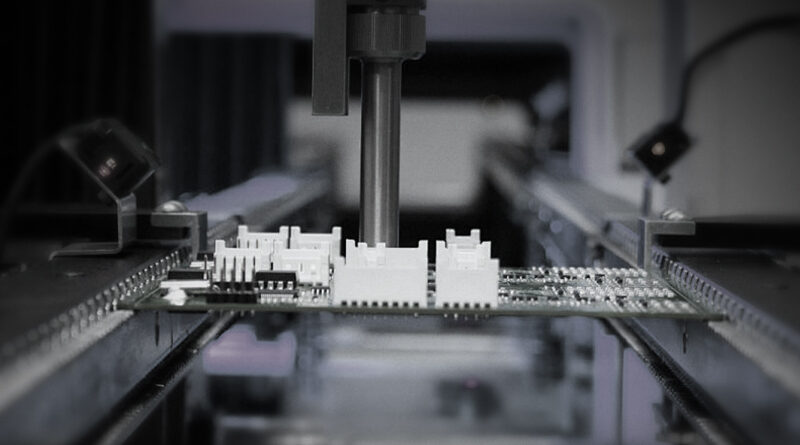
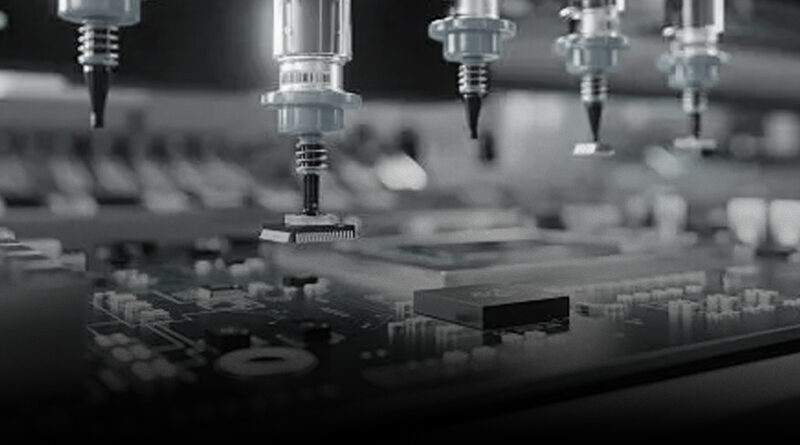
An SMT pick-and-place (PnP) machine is a robotic system that picks electronic components from feeders, aligns them with the PCB’s solder paste deposits, and places them precisely on the board. The accuracy and speed of this operation directly impact yield, cycle time, and overall production cost. Modern PnP machines combine advanced vision systems, multi-nozzle heads, component management software, and integrated feeders to deliver consistent placement across a wide range of package sizes—from 0402 passive components to larger QFPs and BGA devices.
Beyond raw speed, the best PnP systems are part of an ecosystem. They integrate seamlessly with solder paste printers, reflow ovens, inspection systems (AOI/AXI/OCI), and test and coating modules. For contract manufacturers, electronics startups, or R&D labs, the ability to adapt quickly to new PCB designs, new components, and evolving quality standards is a competitive differentiator. NECTEC recognizes this reality and offers a portfolio of options along with expert guidance to help you implement a resilient SMT workflow.
Key specifications that drive performance and ROI
When evaluating SMT pick-and-place machines, several core specifications determine whether a system can meet your throughput targets and product mix. Here are the most impactful metrics to consider, plus practical guidance on how to interpret them.
- Placement speed (cycles per hour and placements per hour): This is the headline metric for throughput. Most desktop/prototyping lines operate in the range of a few hundred to a few thousand placements per hour, while high-end inline machines in manufacturing environments exceed 60,000 placements per hour. Your target speed should reflect your forecasted production volume, but don’t neglect the impact of post-placement operations—such as inspection and soldering—on actual cycle time.
- Placement accuracy and repeatability: Measured in microns, this specification affects defect rates, especially with fine-pitch devices. Accuracy is influenced by vision system quality, nozzle design, vibration control, and feeder alignment. Look for machines with closed-loop feedback, high-resolution cameras, and calibration routines that maintain accuracy over time and across feeders.
- Component handling range: A machine that can accommodate the widest variety of components—passives (0402/0603/0805), QFPs, CSPs, BGA, connectors, and large power packages—minimizes the need for retooling and adds flexibility for new product lines.
- Multi-nozzle and nozzle-changing capability: A multi-head configuration speeds up placements, while automatic nozzle change reduces manual intervention. Assess whether the system supports quick-change nozzles and how many you’ll realistically need for your part mix.
- Feeder capacity and management: Feeder density and uptime are essential for continuous operation. Consider our options that integrate standardized feeders, tape-and-reel compatibility, and fast-loading mechanisms. FEEDER REPLENISHMENT SPEED and reliability directly affect overall line efficiency.
- Vision and alignment: The alignment system should handle fiducial-based alignment, board-to-board coordinate tracking, and component recognition. A robust vision system reduces misplacements and component mix-ups, particularly for non-standard PCB designs.
- Software, programming, and integration: A user-friendly interface, robust job management, and easy program transfer between machines are as important as hardware. Look for software that supports CAD-to-production workflows, offline programming, and real-time monitoring.
- Platform footprint and modularity: For small shops, desktop or benchtop units with modular expandability can be ideal. For manufacturers, inline systems with linear conveyors and in-line inspection maximize space utilization and automation levels.
- Maintenance and serviceability: Spare parts availability, service response times, and remote diagnostic capabilities define the true cost of ownership. This is where a trusted partner with global reach and responsive support becomes a strategic asset.
Desktop, benchtop, and inline systems: choosing the right form factor for your business
The form factor of your PnP machine strongly influences capital expenditure, floor space, and operator requirements. Here’s how to map form factors to typical business needs.
- Desktop/benchtop systems: Ideal for R&D, product development, and small-volume prototyping. They offer cost efficiency and flexibility, with typically lower placement speeds but enough accuracy for fine-pitch work. They’re also excellent for educational labs, startups, and small contract shops that build a few prototypes per month.
- Mid-range inline systems: These balance cost, footprint, and throughput. They suit small-to-medium production environments and NPI (new product introduction) lines that still require rapid reprogramming for design changes. You’ll usually find integrated feeders, semi-automatic handling, and good software ecosystems in this category.
- High-end inline systems: Designed for high-volume manufacturing, these systems emphasize maximum throughput, advanced feeders, multi-head arrays, and robust automation. They integrate with soldering and inspection lines, enabling near-10x improvements in throughput compared to older generations. If your business runs continuous, high-mix production, these machines deliver the scale you need.
How to align machine choice with your product mix and business goals
Products vary in package size, pad dimensions, and placement tolerances. A smart purchase strategy considers the following scenarios and how different PnP capabilities map to them:
- High-mix, low-volume: Prioritize flexibility, rapid changeover, and user-friendly offline programming. A modular inline system with swift feeder changes and an advanced vision system lets you switch between product families with minimal downtime.
- Medium-to-high volume, mid-to-fine pitch: Accuracy and reliability become paramount. Choose a system with high-precision placement, reliable nozzle management, and tight calibration routines. Vision-assisted placement helps avoid costly rework on tiny components.
- R&D and rapid prototyping: The ability to program quickly and reconfigure feeds is critical. Desktop or compact inline systems with software that supports offline programming, simulation, and kitchen-sink testing will accelerate your development cycles.
- Specialized components (BGAs, CSPs, unusual form factors): A system with advanced vision, 3D measurement, and robust nozzle options can place non-standard parts without manual bending or custom tooling.
Integrating a PnP machine into a complete SMT workflow
Placement is just one step in the end-to-end PCB manufacturing process. To achieve consistent quality and maximum uptime, you must design a tightly integrated line. Consider these integration touchpoints:
- Printing alignment: Ensure paste deposition is aligned with board features so that the PCB placement target is consistent across runs. A misalignment in printing creates placement errors that are hard to recover later in the line.
- Post-placement inspection: Inline AOI/AXI enables detection of misplacements, solder bridging, or component misidentification early in the cycle. Quick feedback allows operators to address issues before soldering, reducing waste.
- Reflow and curing: A well-tuned reflow process complements placement accuracy. Thermal profiles must be aligned with component types to avoid tombstoning or diode orientation errors.
- Board handling and de-panelling: Automated unloading and panel transfer reduce manual handling, which lowers defect risk and improves safety in the factory floor.
- Data and traceability: A centralized MES/SCADA or production data system ensures traceability from part number to final board status. This is critical for automotive, medical, and aerospace applications where documentation matters.
Why NECTEC’s one-stop SMT solution approach adds value
NECTEC is not simply a vendor of machines. We position ourselves as a partner for the entire lifecycle of your SMT capabilities. Here are some practical benefits you can expect when you work with us:
- Curated supplier ecosystem: We integrate top-tier global suppliers so you get access to the best fit for your application, whether you need high-speed inline placement, flexible mid-range machines, or compact desk-top solutions for R&D.
- Comprehensive service coverage: Our pre-sales team is available 24/7 to guide you through requirements, budgets, and schedule constraints. After purchase, our post-sales service emphasizes preventive maintenance, spare parts availability, and rapid on-site support.
- Tailored, data-driven recommendations: We analyze your production mix, forecasting, and capacity goals to propose a line configuration that minimizes bottlenecks and maximizes uptime.
- Seamless integration: From board handling to final inspection, we design workflows that reduce changeover times, improve accuracy, and simplify operator training.
- Cost of ownership transparency: We help you model total cost of ownership, including maintenance, consumables, energy usage, and depreciation, so you can compare options with confidence.
Practical considerations before purchasing
Before committing to a machine, perform a structured evaluation to avoid common missteps. Consider the following practical steps:
- Define your product roadmap: List current and anticipated PCB designs with their component footprints, tolerances, and expected volumes for the next 12–24 months. This clarifies the required headcount, speed, and changeover frequency.
- Trade off speed versus flexibility: If your portfolio changes frequently, you might prioritize a flexible system with fast reconfiguration over the absolute highest speed. In some cases, a hybrid approach using a mid-range inline system plus a desktop prototype unit can be cost-effective.
- Assess total cost of ownership: Initial price is only part of the equation. Consider feeders, spare parts, software licenses, calibration services, and the cost of downtime during integration and maintenance.
- Plan for upgrades and expansion: Choose a platform that accommodates future expansions, such as additional feeders, more heads, or advanced vision modules, to defer capital expenditure while growing capacity.
- Evaluate service models: On-site support, remote diagnostics, and certified maintenance programs reduce risk. A partner that offers proactive maintenance alerts and rapid replacement of failed components saves time and money over the life of the machine.
Real-world scenarios: translating specs into outcomes
To illustrate how these considerations translate into tangible results, consider three representative scenarios that startups, mid-sized manufacturers, and contract manufacturers may face:
- Scenario A: A prototype-focused shop aims to rapidly test designs for consumer electronics. It benefits from a compact, highly flexible PnP machine with offline programming, quick nozzle changes, and straightforward software workflows. The goal is to minimize investment risk while supporting frequent design iterations. A mid-range inline unit or a premium desktop system is often the sweet spot, supported by NECTEC’s flexible onboarding and training programs.
- Scenario B: A growing mid-sized electronics manufacturer operates a dedicated line for wearables and IoT devices with a mix of small and medium-sized boards. Throughput, reliability, and predictive maintenance become priorities. A robust inline system with multiple heads, fast feeders, and integrated inspection delivers the needed scale, while our post-sales service ensures uptime and rapid tooling changes when needed.
- Scenario C: A high-volume contract manufacturing environment requires maximum throughput and stringent quality control. Inline, high-speed PnP solutions combined with advanced AOI and inline X-ray inspection optimize yield. NECTEC can coordinate the entire line integration, deliver training, and provide SLA-based maintenance to keep the facility running at peak performance.
Maintenance, upgrades, and ongoing support
Investing in a PnP machine is an ongoing commitment that extends beyond installation. A robust maintenance plan protects your line from unexpected downtime and preserves component accuracy over time. Key elements include:
- Scheduled preventive maintenance: Regular checks of head alignment, spindle integrity, nozzle wear, and feeder performance prevent drift in accuracy and reduce misplacements.
- Spare parts and consumables availability: A well-stocked parts program minimizes repair times. This is where a trusted partner reduces risk by ensuring rapid delivery of common wear items, nozzles, and interface cables.
- Remote diagnostics and software updates: Cloud-connected dashboards and remote access enable proactive detection of issues, saving travel time and reducing PPE exposure on the factory floor.
- Training and knowledge transfer: Thorough operator, programmer, and maintenance training ensures your team can maximize the line’s potential and maintain quality without external support every day.
Pricing considerations and value storytelling
Price is often a leading factor in decision-making, but buyers should consider value in a holistic sense. A top-tier inline PnP system may have a higher upfront price, but if it yields lower defect rates, faster changeovers, and more stable uptime, the total cost of ownership may be lower over the equipment’s life. For startups and smaller shops, the ROI can be accelerated by using modular configurations that allow incremental expansion and the ability to handle both prototyping and limited production without a separate, expensive retooling phase.
NECTEC helps clients quantify ROI through a structured assessment that considers expected volumes, part complexity, changeover frequency, and required yield. We translate technical capabilities into business outcomes, delivering a tailored recommendation and an implementation plan that minimizes risk and accelerates time-to-value.
Styling and content diversity: how we present SMT insights
Different readers engage with content in different ways. Some prefer narrative case studies, others want quick bullets and checklists, and still others seek deep technical white papers. In this article, we’ve blended styles to reflect the real-world decision-making process:
- Narrative style: Real-world scenarios describe how you might apply PnP technology in everyday production, enabling readers to see themselves in the story.
- Technical style: Detailed specifications, accuracy targets, and integration steps provide practical guidance for engineers and buyers who need precise information to compare machines.
- Checklist style: Quick-reference lists help procurement teams verify capabilities (visibility, speed, feeder options, software, service terms) during vendor evaluation.
- Solution-oriented style: A clear emphasis on NECTEC’s one-stop service, from pre-sales consultation to post-sales maintenance, aligns the content with buyer intent and trust-building.
Choosing a partner: what to look for beyond the machine
For many buyers, the choice of a machine is also a choice of partnership. The best outcomes come from working with a vendor who understands both the technology and the business realities behind manufacturing. Look for:
- Transparent capability matching: The supplier should help you map your product family to a configuration that minimizes bottlenecks and supports future growth.
- Assessment and planning support: A good partner performs a facility assessment, production forecasting, and a clean-room-style validation before committing to a line layout.
- Logistics and onboarding: Consider delivery timeframes, installation support, operator training, and a staged ramp plan that minimizes disruption to ongoing production.
- Long-term service commitments: Service-level agreements, guaranteed response times, and access to remote diagnostics are signs of a mature, customer-centric approach.
What NECTEC brings to your SMT journey
NECTEC is uniquely positioned to support you across the entire lifecycle of SMT equipment and ancillary processes. We bring:
- Experience across global suppliers: A curated selection of best-in-class PnP machines suitable for prototyping, mid-volume production, and high-volume manufacturing.
- 24/7 pre-sales support: Our team helps you identify the right solution, align with your budget, and set realistic timelines—without pressure or risk.
- End-to-end post-sales service: From installation to regular maintenance and parts fulfillment, we’re prepared to keep your line up and running.
- Integrated workflow optimization: We don’t just sell a machine; we design and implement a complete SMT workflow that includes printing, placing, soldering, inspection, and coatings as needed.
Next steps: turning knowledge into action
If you’re evaluating SMT pick-and-place machines, a practical next step is to conduct a needs assessment that captures your production volume, board complexity, and changeover frequency. Bring together your engineering, purchasing, and manufacturing stakeholders to discuss:
- Which board families you will support in the next 12–24 months
- The maximum board size and the smallest pitch you must place with reliability
- Your target uptime and required defect rate
- Your budget range and preferred financing or leasing options
With this information in hand, you can engage NECTEC for a tailored recommendation. We’ll translate your requirements into a concrete line configuration, a project timeline, and a cost model that shows how the investment translates into improved yield, faster time-to-market, and more predictable production costs. Our team can also provide a phased implementation plan that allows you to start small with a desktop or mid-range inline system and scale up as demand grows.
In today’s competitive electronics market, making the right choice about a pick-and-place machine is not just about hardware. It’s about choosing a partner who can help you design, deploy, and sustain a manufacturing process that delivers quality outputs at scale. NECTEC stands ready to assist you every step of the way, from pre-sales exploration through post-sales support and continuous improvement initiatives. If you’re ready to assess your options or want a personalized recommendation, reach out to our team to schedule a discovery session. We’ll help you translate your product roadmap into a robust, efficient, and scalable SMT solution that fits your business today—and positions you for growth tomorrow.
Want to learn more about specific models, capabilities, or upgrade paths? We can tailor a demonstration using your actual PCB designs and component lists to show how different machines would perform against your exact requirements. The right choice is not a guess—it’s a structured decision grounded in your data, your workflows, and your long-term business goals. NECTEC is here to make that decision clear, supported, and actionable with a plan that gets your line up and running smoothly, quickly, and cost-effectively.
For more information or to request a no-obligation evaluation, contact NECTEC’s pre-sales team today. We’ll take the time to understand your constraints, align on a realistic timeline, and present a solution that maximizes your return on investment while ensuring long-term service and support.