


In the world of manufacturing and assembly, the precision and efficiency of placement machines are paramount. One of the critical components that can greatly influence the performance of these machines is the needle size. In this article, we will explore the importance of selecting the appropriate needle size for placement machines, delve into the factors to consider when making your choice, and provide insights into how the right needle can enhance your production process.
Understanding Placement Machines
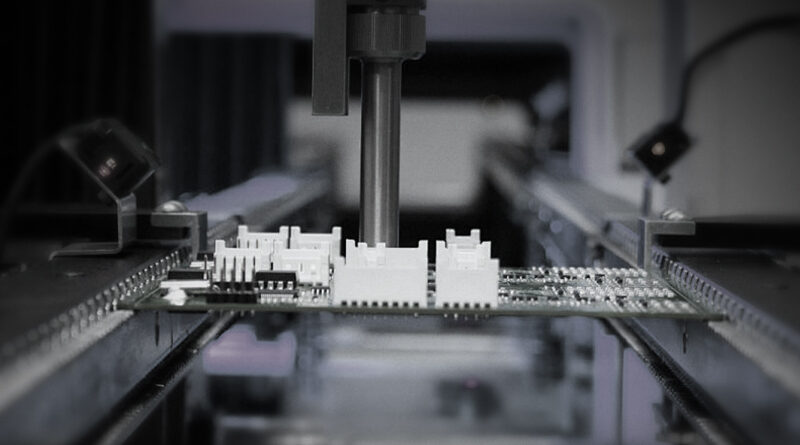
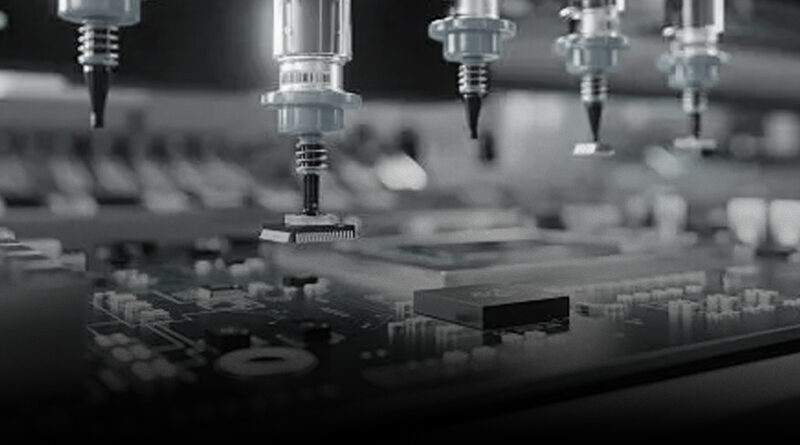
Placement machines, also known as automated pick-and-place machines, are used widely in industries such as electronics, packaging, and pharmaceuticals. These machines function by picking components from a feeder and placing them onto a substrate or assembly line. The efficiency and accuracy of placement machines are largely determined by the design and specifications of the machine, including the needle used for picking up components.
The Role of Needle Size in Placement Machines
The needle size is a critical factor that impacts both the speed and accuracy of component placement. Needles come in various sizes and types, each designed for specific tasks. The right needle size ensures that components are picked up effectively without causing damage. For instance, using a larger needle on small components can result in dropping or misplacing them, while a smaller needle may not be able to pick up larger components. This balancing act can significantly affect production efficiency and material wastage.
Factors to Consider When Choosing Needle Size
1. Component Size and Shape
One of the first considerations when selecting needle size is the size and shape of the components you plan to place. Components such as small chips or other electronic parts require precision and support during handling. It’s essential to choose a needle that can accommodate the dimensions of the components without risking damage. Typically, a needle with a diameter slightly larger than the component size is advisable to ensure a secure grip.
2. Material Type
The type of material the components are made from can also dictate needle size selection. Fragile materials require a gentler touch, often leading to the choice of smaller needles to minimize the risk of crushing or deforming them. Conversely, robust materials may allow for the use of larger needles without the risk of damage, but attention must still be given to ensure an optimal fit.
3. Precision Requirements
If your production line demands high precision, the needle size must align accordingly. Smaller components or intricate assemblies may necessitate finer needles to ensure accuracy in placement. High-precision placement can lead to better product quality and reduce the risk of defects, which is crucial in sectors such as electronics, where imperfections can lead to significant issues.
4. Speed of Production
Production speed is another crucial aspect that influences needle size selection. Larger needles may facilitate quicker pick-and-place operations due to their ability to handle bigger components. However, they may sacrifice precision, resulting in trade-offs that can affect overall production quality. Consequently, it is vital to align needle size with production goals—balancing speed with the precision required for component placement.
Common Needle Sizes and Their Applications
There are standard needle sizes commonly used in placement machines, ranging from 0.5 mm up to 2.0 mm and beyond. Below are some popular sizes along with their typical applications:
- 0.5 mm Needle: Ideal for micro-components and delicate applications in the electronics industry.
- 1.0 mm Needle: Commonly used for standard SMT (Surface-Mount Technology) components.
- 1.5 mm Needle: A versatile option that accommodates a wide range of component sizes.
- 2.0 mm Needle: Suitable for larger components in industries such as packaging and higher-volume assembly lines.
Best Practices for Needle Maintenance
Maintaining the integrity and cleanliness of needles is essential for optimizing their performance. Here are some best practices:
- Regular Cleaning: Accumulated dirt or debris can affect the needle’s gripping ability. Clean needles regularly to prevent build-up.
- Inspection: Routinely inspect needles for wear and tear. Replace them as necessary to maintain optimal functioning.
- Correct Storage: Store needles safely in a designated space to avoid physical damage when not in use.
Conclusion
Selecting the right needle size is critical for the efficient operation of placement machines. By considering factors such as component size and type, precision needs, and production speed, manufacturers can enhance their assembly processes and ensure high-quality outputs. Invest time in understanding your specific requirements and regularly review your needle selections to improve your production line’s overall efficiency and effectiveness.