


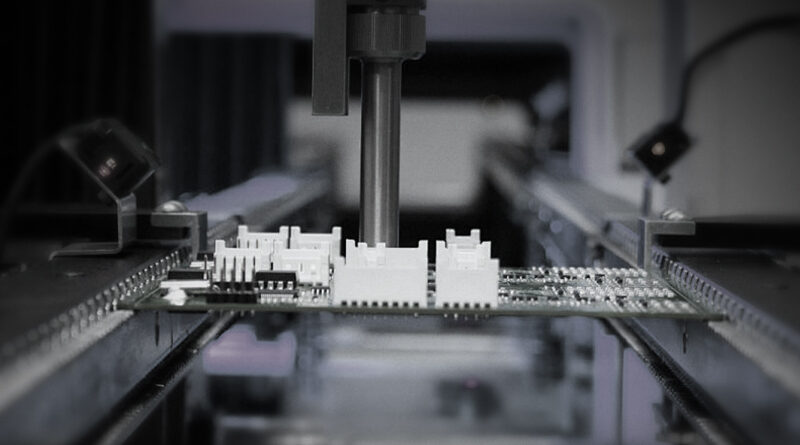


In the fast-paced world of surface mount technology (SMT) manufacturing, uptime is the currency of profitability. A well-maintained SMT line not only delivers consistent quality but also reduces waste, speeds up throughput, and protects your bottom line. From pick-and-place heads and feeders to reflow ovens and inspection systems, every subsystem plays a critical role in the final product. This guide combines proven maintenance practices with structured troubleshooting strategies to help operators, technicians, and managers keep SMT lines healthy, minimize unplanned downtime, and address issues before they become costly defects.
Within this article you’ll find practical routines, diagnostic checklists, and real-world workflows that draw on the collective wisdom of industry leaders and the latest guidance in SMT maintenance. The content is crafted to be applicable across different SMT configurations—from compact desktop systems to high-speed production lines—while staying grounded in the realities of plant-floor operations. Whether you’re new to SMT maintenance or looking to elevate an experienced program, the goal is the same: maximize reliability, minimize surprises, and maintain consistent soldering, placement, and inspection results.
Why SMT Maintenance Matters: The Hidden Costs of Neglect
Neglecting the maintenance of SMT equipment creates a cascade of problems. The most visible symptoms—misaligned components, misplaced parts, cold solder joints, or poor paste transfer—often reveal deeper root causes such as worn nozzles, clogged nozzles or jets, vacuum leaks, dusty optical sensors, or degraded actuation seals. Routine maintenance also protects critical subsystems:
- Feeder systems ensure correct part feeding and accurate alignment with the nozzle.
- Pick-and-place heads deliver precise placement and collision-free trajectories.
- Reflow ovens provide stable thermal profiles to avoid warping and tombstoning.
- Conveyors and squeegees influence paste printing quality and part transport.
- Inspection and optical systems catch defects early, preventing cascaded failures downstream.
In the absence of proactive maintenance, the line risk becomes threefold: quality defects rise, throughput drops, and maintenance costs surge due to urgent, unplanned repairs. A disciplined maintenance program can reverse this trend by providing early warnings, predictable downtime, and data-driven decisions. The following sections lay out a practical approach that blends daily rituals with longer-term improvements.
Foundations: Daily, Weekly, and Monthly Routines
Establishing a clean, repeatable maintenance cadence reduces the likelihood of intermittent faults. The cadence below serves as a practical starting point, which you should tailor to your specific machine models, production mix, and environmental conditions.
Daily tasks (before first shift)
- Clean visible surfaces and dust from the machine enclosure, especially around the nozzle area, feeders, and inspection cameras.
- Visually inspect critical components for signs of wear or leakage (air, coolant, or oil).
- Check ambient conditions: room temperature, humidity, and any heat buildup near SMT ovens or hot zones.
- Verify vacuum pump operation and listen for unusual noises in moving parts.
- Record any anomalies in the shift log with time stamps and affected part numbers.
Weekly tasks
- Lubricate exposed mechanical joints and linear guides according to manufacturer guidelines, paying attention to zipper rails, belt drives, and z-axes.
- Clean dust filters, air knives, and ventilation paths to maintain stable cooling and thermal performance.
- Inspect nozzles (for pick-and-place heads) and nozzle seals for clogging, wear, or misalignment. Schedule replacements if necessary.
- Run a quick nozzle-to-board height check to ensure consistent pick height across the nozzle array.
Monthly tasks
- Calibrate feeders and verify part precision, including tape-and-reel and tray-based feeds.
- Perform a full visual and functional check on the vision system, alignment marks, and PCB fiducials.
- Test the reflow oven thermal profile with standard test boards and verify that the profile matches process specifications.
- Review energy consumption and cooling efficiency, looking for signs of degraded heat exchangers or fans.
Note: These routines should be adapted to the specifics of each line. Create a simple maintenance calendar for your facility and assign owners for each task to ensure accountability. A well-documented maintenance log makes it easier to spot patterns and justify part replacements or process changes over time.
Subsystem Deep Dives: Common Failures and How to Address Them
Understanding typical failure modes helps technicians diagnose root causes quickly. Below are representative failure patterns, their probable causes, and recommended actions. Use these as templates for your own standard operating procedures (SOPs).
1) Nozzle clogging or nozzle wear (pick-and-place head)
Symptoms: Part mis-picks, head-to-board height variation, inconsistent paste transfer in some nozzles.
Likely causes: Dust, solder paste residues, degraded nozzle elastomer, improper suction or air pressure settings, nozzle misalignment, or nozzle wear due to high cycle counts.
Troubleshooting and remedies: Clean or replace nozzles; inspect nozzle seating; verify suction parameters; perform nozzle height calibration; rotate to rotate through nozzle arrays and test with dummy boards; replace worn seals and o-rings; track nozzle life and maintain a replacement schedule.
lockquote>Tip: Keep a nozzle inventory with different diameters and shapes. A standardized set reduces cycle time for nozzle changes and minimizes mis-picks caused by mismatched nozzles.
2) Poor paste deposition or print defects (solder paste printer or stencil alignment)
Symptoms: Insufficient solder volume, bridging, or tombstoning on small components; uneven printing across boards.
Likely causes: Worn squeegees or stencils, misaligned stencil alignment, contaminated stencil, improper printer settings, or inadequate cleaning of stencil and print head.
Troubleshooting and remedies: Inspect stencil rigidity and alignment; verify squeegee tension and print speed; clean stencil thoroughly; recalibrate printer offsets and board alignment; replace worn squeegees and stencil; consider stencil coating for longer life.
3) Thermal anomalies and reflow issues
Symptoms: Warpage, leak solder joints, or cold joints in certain boards; inconsistent peak temperatures across boards.
Likely causes: Uneven heat distribution, clogged or aging heat exchangers, improper conveyor speed, improper gas flow (if used), or incorrect thermal profiles for the board type.
Troubleshooting and remedies: Validate thermal profile using test coupons; inspect heating zones for hot/cault areas; balance air flow and venting; recalibrate oven zones and verify belt tension; replace aging heating elements; implement zone-by-zone profiling to tune process windows.
4) Vacuum and pick-up system issues
Symptoms: Loss of pick stability, frequent part drops, or mis-picks on specific feeders.
Likely causes: Vacuum leaks, clogged or damaged vacuum lines, degraded vacuum pumps, or contaminated optics causing misalignment readings.
Troubleshooting and remedies: Inspect all vacuum hoses and seals; test with a known-good board; replace cracked hoses and worn gaskets; check vacuum pump performance and oil levels; ensure clean routing to avoid kinks; recalibrate pick-up force and dwell time.
5) Vision and alignment faults
Symptoms: Alignment shifts, failed fiducial recognition, or inconsistent component placement from board to board.
Likely causes: Dirty lens, dirty illumination, miscalibrated camera, vibrations, or changes in board fiducials due to fixture wear.
Troubleshooting and remedies: Clean lenses and lighting, perform calibration, secure fixtures to minimize vibration, verify fiducial marks on the PCB, perform a rolling diagnostic on vision software and thresholds, and update firmware if applicable.
Troubleshooting Workflow: A Practical, Repeatable Approach
An effective troubleshooting workflow reduces mean time to repair (MTTR) and helps maintain stable process windows. Use this step-by-step approach to diagnose issues efficiently while preserving process integrity.
- Observe and document: Note symptoms, affected boards, time of occurrence, and recent changes (software updates, material lot changes, or maintenance performed).
- Check the basics: Confirm power, air pressure, vacuum, postures of the machine, and cabling. Confirm safety interlocks and alarms.
- Isolate subsystems: Determine whether the problem originates with the pick-and-place head, the printer, the reflow oven, the inspection system, or the feeders.
- Test and validate: Use test coupons or dummy boards to reproduce the issue and validate fixes before returning production boards to flow.
- Adjust only what’s necessary: Make targeted adjustments and avoid sweeping changes that can destabilize the line.
- Document and learn: Update SOPs, maintenance logs, and operator training materials. Track failure mode frequency to inform preventive maintenance planning.
Pro tip: A punch-card style checklist for each line segment (feeders, heads, printer, oven, inspection) can dramatically shorten MTTR by guiding technicians through a consistent diagnostic path.
Case Study: A Typical SMT Line Issue
A mid-volume electronics fab reported intermittent mis-picks on 0402 components from multiple feeders. The line ran reliably for most of the day but would occasionally show a high reject rate on the 0402 category. The maintenance team followed a structured approach:
- Checked air pressure, vacuum integrity, and nozzle seating; found a small vacuum leak at a joint in the vacuum line.
- Replaced the affected hose and seals, then re-tested with a few test boards; the mis-pick rate dropped dramatically.
- Calibrated the nozzle height across the array to ensure uniform pick height; verified by placing a calibration PCB with varied component sizes.
- Inspected and cleaned the solder paste printer; detected minor stencil contamination that was cleaned and re-validated.
- Updated the line’s preventive maintenance calendar to include a quarterly check of vacuum lines and a monthly nozzle inspection cycle.
Post-fix results included stabilized pick accuracy, reduced scrap on 0402 components, and a measurable improvement in overall line efficiency. The case underscores the value of combining quick wins (leak repair) with longer-term preventive measures (calibration and schedule updates) to sustain performance gains.
Preventive Maintenance Playbook: Templates You Can Use
Having standardized templates accelerates deployment and improves consistency across shifts. Here is practical content you can adapt into your own SOPs and checklists.
PM Schedule Template (per line)
- Daily: Surface cleaning, visual inspection, alarm review, record anomalies.
- Weekly: Lubrication of moving parts, filter checks, nozzle inspection, height calibration check.
- Monthly: Full calibration (feeder offsets, camera alignment), stencil-printer checks, thermal profile validation, vacuum system audit.
- Quarterly: System-wide inspection, firmware and software updates, spare parts audit and stocking level review.
- Annually: Comprehensive line health assessment, vendor training refresh, and documentation update.
Customize the frequency to suit your production tempo and part mix. Keep the PM logs easily searchable and linked to specific boards and lot numbers for traceability.
Blockquote within a maintenance plan is a simple way to highlight critical actions and rationale. A common practice is to annotate the plan with expected life spans of wear items (nozzles, seals, squeegees) to align procurement with maintenance windows.
Data-Driven Maintenance: Making Decisions with Evidence
Modern SMT lines generate a wealth of operational data: defect rates by part, cycle times, temperature profiles, alignment offsets, and downtime logs. The goal is to translate data into actionable insights that reduce risk and improve output quality. Techniques include:
- Trend analysis to detect drift in paste volume, nozzle performance, or thermal profiles.
- Correlation studies to link defects with specific process steps or materials, enabling focused interventions.
- Statistical process control (SPC) to monitor critical dimensions and keep process variation within control limits.
- Predictive maintenance using sensor data (vibration, temperature, air pressure) to forecast component wear and schedule replacement before failure.
By committing to data-driven maintenance, you can justify tool changes, optimize spare parts inventory, and increase line transparency for engineering and management teams. The resulting improvements in availability and quality often justify the investment in sensors, data infrastructure, and analytics capability.
Operator Empowerment: Training, Documentation, and Accountability
A maintenance program is only as good as the people who execute it. Invest in operator training that focuses on early detection of abnormal signs, safe handling of consumables, and understanding the impact of maintenance on product quality. Practical steps include:
- Standardized SOPs that are accessible on the shop floor and updated with revisions promptly.
- Hands-on training modules on nozzle handling, feeder calibration, and reflow optimization.
- Shift handover routines that emphasize maintenance status, any deviations, and upcoming PM tasks.
- A feedback loop that captures operator observations and converts them into process improvements or equipment tweaks.
NECTEC and its partners often support customers with training materials, service guidance, and access to a broad portfolio of SMT consumables. Engaging with a trusted supplier can reduce learning curves and accelerate the adoption of best practices across the organization.
Choosing a Maintenance Partner: What to Look For
When you’re considering external maintenance support or supplier-led maintenance programs, evaluate options against these criteria:
- Technical expertise across SMT subsystems (paste printing, pick-and-place, line drivers, reflow, inspection).
- Proven preventive maintenance methodologies with clear, auditable schedules and documentation.
- Speed and responsiveness in field service, remote support capabilities, and a robust spare parts pipeline.
- Ability to tailor solutions to your production mix, line complexity, and quality targets.
- Alignment with your quality management system and traceability requirements for compliance and supplier audits.
In many cases, a partnership with a reputable SMT solutions provider, like NECTEC, can deliver a holistic service—from component sourcing and line upgrades to comprehensive maintenance programs and continuous improvement initiatives—helping you sustain high uptime, predictable cycles, and high-quality assemblies.
How to Start Today: Quick Wins and Long-Term Gains
For teams ready to begin or accelerate a maintenance program, here are practical steps to secure immediate improvements while laying the groundwork for ongoing optimization:
- Document the current maintenance baseline: who, what, when, and why. Identify high-frequency failure modes and their impact on output.
- Prioritize tasks by risk and impact. Start with obvious, fix-now items like vacuum leaks or nozzle cleanliness that directly affect placement accuracy.
- Install simple, repeatable checklists for operators and technicians, linked to your PM schedule. Keep it short and actionable.
- Standardize data capture: defect counts, downtime categories, and process parameters per run. Use this data to drive changes in the process or maintenance plan.
- Schedule a quarterly review with your team to assess trends, update SOPs, and adjust preventive maintenance frequencies based on observed wear and performance data.
As a final note, remember that SMT maintenance is not a one-and-done activity. It is an ongoing program that evolves with product mix, line configuration, and technology advances. The objective is to sustain stable process windows, reduce variability, and keep every PCB on the path to first-pass success.
For further assistance or to discuss a tailored SMT maintenance program, please explore NECTEC’s SMT solutions and the support network behind it. A proactive, data-informed approach today pays dividends in uptime and product quality tomorrow.