


In the world of electronics manufacturing, the right pick and place (PnP) machine can be a game changer for small teams, startups, hobbyists, and contract manufacturers who want to bring prototypes to life or run small to medium production with predictable quality. The term “low cost” does not have to mean “low value.” Today, there are entry‑level and benchtop pick and place options designed to handle a wide range of PCB sizes, component types, and production rhythms without the sticker shock of industrial systems. This guide digs into what makes a machine affordable, how to pick the right model for your needs, and what to expect from a reputable supplier like NECTEC—a one‑stop SMT solution partner that combines global sourcing with rigorous quality control and strong after‑sales support.
What is a pick and place machine, and why does price vary so much?
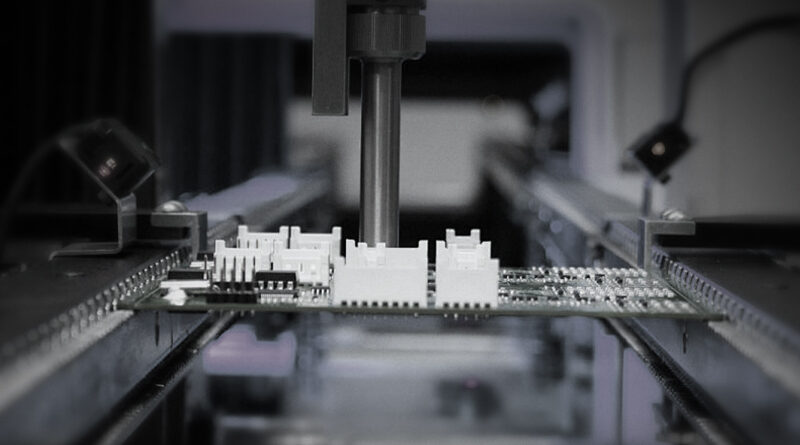
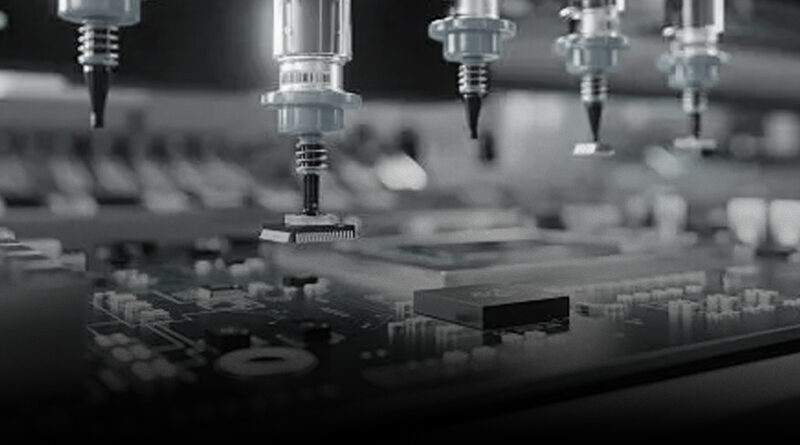
A pick and place machine is an automated system that picks components from feeders or a tray, places them precisely onto a printed circuit board (PCB) with a solderable bond. Modern units use vacuum nozzles to pick up surface-mount components such as resistors, capacitors, ICs, diodes, LEDs, connectors, and even tiny QFN or BGAs with appropriate vision and control software.
Price variation comes down to several factors:
- Accuracy and Repeatability: Higher precision requires more rigid mechanics, better servo drives, and advanced vision systems. Lower-cost units may still meet basic placement accuracy for standard 0402 or 0603 components but struggle with fine-pitch parts.
- Speed and Throughput: Measured in components per hour (CPH), faster machines require faster motors, more robust feeders, and optimized path planning. Entry-level models typically target mid-range CPH figures suitable for small runs, prototypes, and low‑volume production.
- Component Handling: The number and type of feeders, as well as the ability to handle mixed package sizes, influence cost. Benchtop systems often ship with a fixed feeder train and limited expansion options.
- Vision and Alignment: A good camera system ensures correct orientation and placement. Sophisticated optical systems and pattern recognition add to the price but dramatically improve first-pass yield.
- Software and Compatibility: User-friendly software that supports multiple file formats, PCB layouts, and inspection routines adds value and cost. Open formats and active communities reduce long-term software risk.
- Support and Service: Access to spare parts, firmware updates, training, and quick after‑sales service is crucial for reduced downtime and predictable operation. This is where a trusted supplier can create real value beyond the initial purchase price.
For many teams, the goal is not to replace a full production line but to acquire a dependable system that dramatically reduces manual handling, speeds up assembly, and improves consistency. In that sense, “low cost” becomes a strategic choice: a modest upfront investment that unlocks faster iteration cycles, reduces human error, and enables in‑house capability previously out of reach.
Where the affordable options live: benchtop and entry‑level machines
In the marketplace, you’ll typically encounter a few common categories of low-cost PnP machines:
- Benchtop or desktop units: Compact platforms designed to sit on a bench or small cabinet. They usually come with a fixed or semi‑expandable feeder system and are ideal for prototypes, small runs, or hobbyist projects. example models you may see in listings include LE40‑style benchtop solutions that emphasize simple setup and low total cost.
- Entry-level automated systems: Systems marketed as turnkey solutions for low to medium volume production. These often include a basic software suite, standard vision, and a modest number of feeders, with room to grow as your needs expand.
- Starter kits from distributors: Bundles that include the machine, a set of feeders, nozzles, and essential peripherals. They appeal to buyers who want a ready-to-run package without hunting for compatible add‑ons separately.
These categories are not just about price—they reflect a spectrum of capabilities. Some units emphasize ultra‑low cost and simplicity, while others offer scalable architecture that can adapt to more complex boards and a longer service life. For instance, several established vendors tout “turnkey” L‑NP series type systems that can be deployed straight out of the box for production, with options to scale as volumes increase.
When evaluating options, consider not only the purchase price but also the total cost of ownership. This includes feeder consumables, replacement nozzles, spare parts, service commitments, and software upgrades. In many cases, a slightly pricier model with better reliability and service can deliver a lower total cost over several years by minimizing downtime and extension cycles.
Key features to compare when shopping for a low-cost PnP machine
To avoid buyer’s remorse, create a short list of must‑have vs nice‑to‑have features before you start negotiating. Here are the core attributes that matter most for low-cost, entry‑level systems:
- Placement accuracy and repeatability: Look for a quoted positional tolerance in the tenths of a millimeter range or better for typical 0603 and 0402 components. If you plan to place fine-pitch devices (like 0.5 mm pitch QFPs or 0.5 mm ball grid arrays), verify the system can achieve consistent placement in practice, not just in theory.
- Vision and alignment: A reliable camera or vision module helps ensure correct orientation and reduces misplacements. Inspectors or AOI (Automated Optical Inspection) compatibility can matter for inline quality control later in the line.
- Feeder flexibility: The assortment and accessibility of feeders will determine how many different boards you can run without re‑tooling. Check whether the machine can accept standardized feeders and if expansion is straightforward as your project scope grows.
- Software usability and file compatibility: A friendly GUI that can import pick‑and‑place data from standard formats (like CSV, IPD, or common CAM outputs) reduces set‑up time. Varying software APIs can also influence automation and integration with other systems in your shop.
- Mechanical robustness and build quality: A sturdy frame, vibration resistance, and reliable mechanical components help resist wear over time, particularly if you’re running longer shifts or heavier boards.
- Support and warranty: A responsive supplier with documented spare parts availability, training options, and post‑sales support is critical for keeping a low‑cost investment productive.
- Power and air requirements: Some units require compressed air or a particular voltage supply. Confirm your facility can meet these requirements and factor in ongoing operating costs.
In practical terms, a buyer should consider a blend of speed (CPH), accuracy (placement tolerance), and the breadth of supported components. It’s not uncommon to see benchtop units that can comfortably place standard resistors, capacitors, and LEDs at ~5,000–8,000 CPH with a robust set of 0402/0603 capability. For more complex components, the cost climbs—but there are still affordable options that deliver dependable results for hobbyists or small labs.
Case studies and buyer scenarios: choosing the right K‑value for your needs
Scenario A: A startup building prototype boards with a mix of 0603 resistors and a handful of small QFN packages. They need fast iteration, an affordable upfront investment, and the flexibility to retool boards monthly. For Scenario A, a benchtop or starter automated system with a gracefully expandable feeder bank and solid vision is often ideal. The focus is on getting reliable first-pass yields and minimizing downtime during revisions. In this case, a system in the range of a few thousand to under ten thousand USD, with optional extra feeders, offers a compelling ROI if it reduces manual placement time by at least 2–4 hours per board run.
Scenario B: A small contract manufacturer handling 50–200 boards per day, with boards featuring a mix of passive SMDs and small ICs. This setup benefits from a slightly larger footprint, better feeders, and stronger software for multi‑board runs. Here, a low‑cost automation platform with expansion capabilities may be worth the investment because it can scale from prototyping into limited production without a full equipment overhaul.
Scenario C: A university lab or maker space experimenting with boards that include mixed surface mount devices and tiny passive components. Low upfront complexity and ease of use become the primary metrics, alongside robust training materials and community support. A package that includes ready-to-run templates and straightforward calibration routines helps non‑experts get up to speed quickly and safely.
NECTEC’s role in making low-cost SMT solutions accessible
As an established partner in the SMT ecosystem, NECTEC positions itself as a one‑stop solution provider. The company brings together a curated network of global suppliers and offers a range of services that extend beyond the purchase of a PnP machine. Here is what NECTEC emphasizes for customers seeking affordable automation without compromising on reliability:
- Comprehensive product catalog: Access to benchtop, entry‑level, and scalable systems designed for low to mid‑volume production, paired with a breadth of compatible peripherals, feeders, and nozzles.
- Quality control and assurance: NECTEC’s processes aim to ensure consistent performance across every stage of production, from component handling to final placement checks, through rigorous testing and supplier partnerships.
- Pre-sales guidance and project scoping: A dedicated team helps customers define their production goals, recommended systems, and total cost of ownership before making a purchase, reducing the risk of over‑ or under‑buying.
- Post‑sales support and service: Training, spare parts availability, firmware updates, and ongoing technical assistance are integral to keeping an affordable PnP system productive over time.
- Integrated SMT workflow solutions: Beyond placing components, NECTEC emphasizes end‑to‑end SMT solutions, including printing, inspection, conformal coating, and handling peripheral equipment to streamline production lines.
With NECTEC, buyers can explore a spectrum of options from low‑cost, ready‑to‑run packages to more capable systems that scale as production demands grow. The emphasis remains on practical, measurable benefits: faster prototyping cycles, higher first‑pass yields, and predictable maintenance requirements—all delivered through a vendor that prioritizes reliability and customer success.
Practical tips to maximize value from a low-cost pick and place investment
- Define a usage profile: List your typical boards, component types, and expected run length per week. Weight any constraints like board size, 0.8 mm pitch components, or LED footprints.
- Ask for demonstrable performance: Request a live demonstration or a validated video showing placement of your target components, with a similar board size and pitch. If possible, have the vendor run your actual CAD data or a test board to gauge real accuracy and cycle time.
- Validate feeder strategy: Ensure the machine can accommodate a mix of standard axial feeders and modern surface mount feeders. Check the ease of swapping feeders and the availability of spare units.
- Plan for expansion: If you anticipate growth, choose a platform that offers planed upgrades like additional feeders, more powerful vision modules, or networked inspection capabilities.
- Consider total cost of ownership: Compare not only the sticker price but also consumables like paste stencils, nozzle replacements, and feeder maintenance. Factor in software subscriptions and training costs.
- Assess service and training: A strong onboarding program and dependable after‑sales support can dramatically reduce downtime and shorten the learning curve for your team.
Finally, keep an eye on the broader ecosystem. A vendor that can connect you to additional SMT stages—paste printing, reflow soldering, inspection, and coating—may deliver more total value than a stand‑alone PnP unit. In this sense, the right supplier becomes a partner who helps you grow from a lean prototype shop into a capable production environment.
Start your journey with a trusted partner
For teams seeking a pragmatic path into automation, starting with a thorough needs assessment and a conversation with a reputable supplier is the best first step. NECTEC’s value proposition centers on helping customers navigate the crowded market with clarity, providing curated options, and ensuring ongoing support after purchase. By aligning product choice with your production goals, you can reap the benefits of affordable automation without compromising quality.
If you are evaluating options today, consider listing a few concrete questions for vendors:
- What is the placement accuracy for 0402 and 0603 components, and how does accuracy hold across a typical board mix?
- What is the maximum number of feeders this system supports, and is expansion straightforward?
- Can the software import data from your CAM workflow without custom scripting? Is there a trial or sandbox for testing?
- What is the recommended service cadence, and what coverage does the warranty provide?
- Are there reference customers with similar board complexity and production volumes?
Answering these questions will reveal not only the machine’s capabilities but also the vendor’s willingness to stand behind it—an essential factor when the price tag is modest but the commitment to performance is high.