


As electronics evolve toward smaller form factors, the demand for compact, affordable, and reliable SMT pick and place solutions has surged. Small pick and place machines unlock rapid prototyping, education-friendly labs, and light production runs without the overhead of full-fledged production lines. This guide dives into what makes these deskside devices valuable, how to compare options, and how a partner like NECTEC can help you navigate the journey from decision to deployment.
Understanding the niche: what is a small pick and place machine?
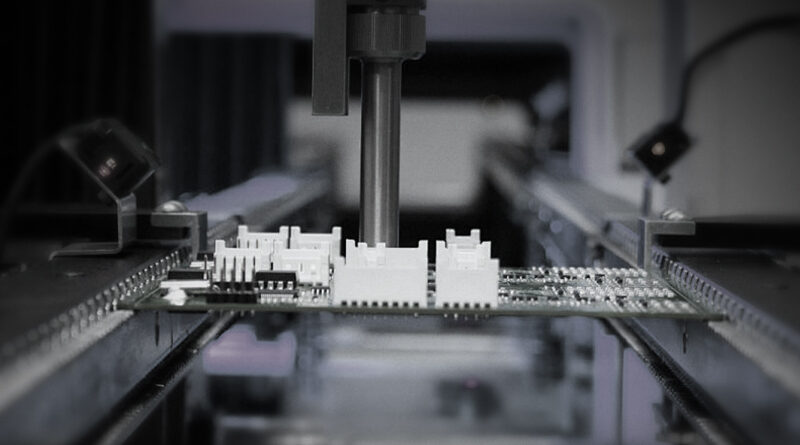
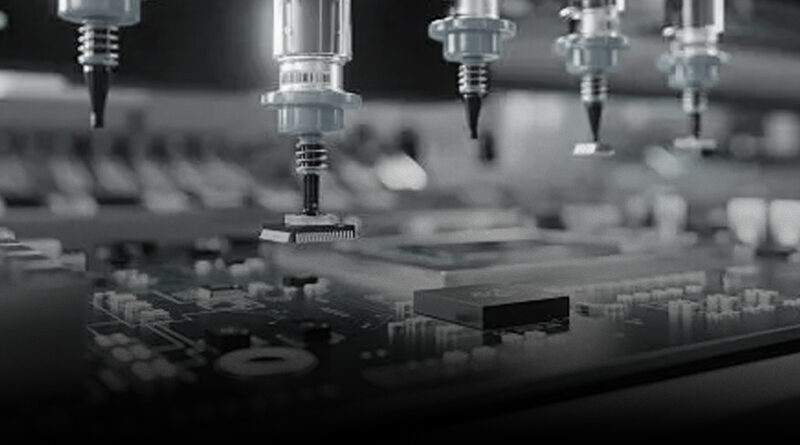
A small pick and place (PnP) machine is a desktop or benchtop SMT placement system designed to handle a limited number of components and smaller boards with a compact footprint. Unlike industrial-scale machines, these devices emphasize affordability, ease of use, fast setup, and lower maintenance. They excel for prototyping, small-batch production, education, and hobbyist labs where space is premium and throughput targets are modest but consistency matters.
Core characteristics you’ll typically see in a small PnP system include:
- Compact footprint and light weight, designed to fit on a benchtop or small cabinet.
- Single or dual head configurations for mid-range throughput and different nozzle types.
- Vision-assisted placement to improve accuracy on a variety of components, from 0402 to larger LED packages.
- Flexible feeders (tape feeders, bowls, or tray feeders) that accommodate common SMT components.
- Modular software for simple programming, quick job changes, and board alignment checks.
- Integrations with stencil printers, reflow or soldering stations, and inspection modules in some ecosystems.
For teams transitioning from manual assembly or basic soldering to automated processes, a small PnP unit offers a practical bridge—bringing repeatable accuracy and faster setup without overwhelming capital expenditure.
Who benefits from small pick and place machines?
These machines are particularly well-suited for:
- Startup hardware teams with frequent design iterations and the need for rapid assembly of PCBs containing a mix of 0603/0805 passive parts, LEDs, and small ICs.
- Prototype labs and makers who want to demonstrate concepts at a professional level while keeping costs reasonable.
- Educational programs to teach SMT fundamentals, automation basics, and quality control in a hands-on setting.
- Low-volume production environments where functional prototypes must go to a small batch run for user testing or pre-production.
- Design-for-manufacturability (DFM) assessments where engineers verify footprints, solderability, and placement tolerances before investing in larger lines.
When selecting a unit, consider not only the current needs but also potential future growth. A model that can accommodate more feeders, higher placement speeds, or additional head configurations can extend its life as your project portfolio expands.
Key specs and features to compare
Choosing the right small PnP involves a careful reading of specifications and a realistic assessment of workflows. Here are the features that most influence performance and total cost of ownership:
- Placement accuracy (typical ranges from a few tens of micrometers to 0.1 mm). This matters for tight 0402 and 01005 components as well as for LED arrays.
- Placement speed (parts per hour or cycles per minute). Higher speeds boost throughput but may require more robust feeders and multiple heads.
- Head configuration (1 head vs. 2 heads, dual nozzle systems). Two heads can place different classes of components in parallel or double throughput on larger boards.
- Nozzle ecosystem (different nozzle diameters and shapes for various components). Availability of automatic nozzle change can reduce downtime between jobs.
- Vision system (camera resolution, alignment algorithms, fiducial recognition). A good vision system reduces misplacements and rejects.
- Feeder options (number of trays/positions, feeder pitch, compatibility with common 8 mm to 12 mm tapes). Higher feeder density means longer unattended runs per setup.
- Board size and thickness range that the machine can handle, as this defines the kinds of boards you can place in a single job.
- Software usability and documentation. Intuitive UI, good wizards, and efficient job templates dramatically shorten ramp-up time.
- Reliability and service including of spare parts, service response times, and availability of remote diagnostics.
- Power requirements and footprints that fit your lab desk or cabinet and the energy footprint for extended runs.
From a practical standpoint, many buyers look for a balance: acceptable accuracy for common SMT tasks, a workflow simple enough for new operators, and a price that aligns with a measured return on investment (ROI) over the first 12–24 months.
Step-by-step setup and first run: a practical guide
Getting a small PnP up and running quickly is one of the biggest advantages of these systems. Here’s a typical workflow you can expect, with best practices to minimize down time and maximize yield:
- Unboxing and inspection – Check the machine for missing parts, verify that nozzles are present, and confirm all cables are securely connected. Use the manufacturer’s checklist to ensure nothing was damaged in transit.
- Physical level and mounting – Place the machine on a vibration-free surface. Level the base with a precision spirit level if required by your model. A stable platform reduces placement error caused by micro-movements.
- Power and firmware – Connect power, boot the system, and update firmware if a newer version is available. Some vendors offer online firmware updates with incremental improvements and bug fixes.
- Loader and feeders setup – Install tapes and bowls as required, load component reels onto feeders, and configure feeder positions in the software. Ensure the feeders are clean and free of dust or debris that could jam parts.
- PCB jig and fiducials – Secure your PCB into the board holder and ensure fiducials are clearly visible to the vision system. If your board lacks fiducials, some systems offer alignment without fiducials but with features like edge recognition.
- Nozzle setup and calibration – Attach the appropriate nozzle to each head. Perform a nozzle height calibration to ensure correct contact with the PCB surface without dragging or missing components.
- Component placement test – Run a small test board with a representative mix of components (resistors, capacitors, ICs, LED packages) to verify alignment, pick accuracy, and placement speed. Observe any misalignment patterns and adjust feeders or vision thresholds accordingly.
- First production test – Place a real board and inspect the solder joints. If your system includes a quick inspection step (AOI or manual review), run it after your first pass to identify recurring issues early.
- Optimization – Based on test results, tune the feed rates, vacuum pressure, nozzle heights, and vision search areas. Save templates for common boards to streamline future setups.
The goal of this process is not to chase perfection on day one but to establish a reproducible workflow where the operator can place boards with high confidence after a short ramp-up period. Documentation and templates are your friend here; the more you standardize, the faster you’ll iterate.
Design and process tips to maximize yield on small PnP systems
Small PnP machines can deliver excellent results when paired with thoughtful design and process discipline. Consider these practical tips:
- Board design for automation – Place critical components with generous solder joint area and fiducials placed away from high-heat zones. Use consistent component orientations to reduce pose variations for the vision system.
- Component sizing compatibility – Ensure your board uses a realistic mix of sizes compatible with the machine’s nozzle range and feeder density. If you must use exotic packages, check nozzle availability and whether the vendor offers custom nozzles.
- Fiducials and registration – Fiducials improve alignment accuracy for complex boards. If your board lacks fiducials, consider adding three non-collinear marks or using corner detection features in the software.
- Component reflow planning – Schedule parts with lower melting temperatures and avoid placing heat-sensitive components immediately adjacent to heat sources during reflow or soldering.
- Feeder management – Keep a clean feeder area, rotate reels to prevent fatigue on tapes, and inspect feeders for wear. A well-maintained feeder reduces misfeeds and placement pauses.
- Quality checks – Pair the PnP with inspection steps after placement (visual inspection or AOI) to catch misplacements quickly and feed this feedback into future placements.
With these practices, a small PnP unit becomes more than a toy for hobbyists. It becomes a reliable, repeatable manufacturing asset that accelerates iteration cycles and validates designs with real hardware quickly.
Choosing a partner: why NECTEC stands out for small SMT solutions
NECTEC positions itself as a one-stop destination for comprehensive SMT solutions, designed to help you solve issues across the entire PCB assembly line. Here’s how NECTEC aligns with the needs of teams adopting small pick and place machines:
- Integrated supplier network – Access a curated ecosystem of PCB handling, placing, soldering, printing, inspection, conformal coating, and peripheral consumables. This reduces supplier complexity and helps you source compatible components quickly.
- End-to-end quality control – NECTEC emphasizes strict quality control throughout production, so you can trust that the system you purchase will meet performance expectations in real-world scenarios.
- Dedicated pre-sales support – With 24/7 pre-sales assistance, you can discuss your board sizes, component mix, and throughput goals without long delays. The goal is to ensure you’re choosing the right tool for your workflow, not just the cheapest option.
- Responsive post-sales service – Ongoing support after purchase, including maintenance guidance, spare parts availability, and remote troubleshooting, helps minimize downtime and keeps your line running smoothly.
- Flexible solutions for prototyping to small batches – Whether you’re prototyping a new product or validating a design for initial production, NECTEC’s portfolio is tailored to support both stages with appropriate equipment and service packages.
In practice, choosing a partner means more than selecting a machine. It means opting for a relationship that grows with your needs—where the hardware is complemented by an adaptable service model, training resources, and a roadmap for future upgrades. NECTEC aims to reduce the friction of moving from idea to working hardware, so teams can focus on product development rather than troubleshooting tooling.
Cost considerations, ROI, and practical buying tips
Small pick and place machines span a range of price points, and buyers should balance upfront cost with the total cost of ownership, including maintenance, consumables, and software licenses. Here are practical considerations to guide your purchase decision:
- Initial purchase price – Entry-level desktop PnP devices can be surprisingly affordable, sometimes in the low thousands of dollars, while more capable small systems with dual heads and advanced vision can run higher. Remember that a lower price tag can translate into higher ongoing maintenance if reliability is compromised.
- Operational costs – Nozzle consumables, feeder wear, and replacement parts accumulate over time. Clarify what is included in the warranty and what parts are expected to be purchased separately.
- Upgrade path – Consider whether the machine supports future expansion, such as additional heads, more feeders, or improved vision modules, to protect your investment as needs evolve.
- Software licenses – Some systems require ongoing software subscriptions or periodic updates. Evaluate the long-term price and whether there are options for perpetual licenses.
- Training and onboarding – A well-structured onboarding program reduces ramp-up time and helps teams achieve productive yields sooner, lowering the risk of early misplacements and scrap.
- Resale value – When you’re buying a solution that might scale or be replaced within a couple of years, consider the resale value or trade-in options offered by the vendor or partner network.
ROI is highly dependent on your application’s mix and utilization. A small PnP device can deliver tangible benefits through faster iterations, reduced human error, and shorter time-to-market for new products. Use a simple calculation: estimate monthly placement hours, multiply by expected board complexity (average components per board), factor in labor savings from automation, and subtract ongoing costs. If the result shows a positive payback within your targeted horizon, the investment is worth pursuing.
Case study: a hypothetical lab deploying a compact SMT line
Imagine a university research lab working on a handheld device prototype. The lab needs to assemble boards with a handful of LEDs, resistors, capacitors, and a small IC in a 20-30 mm square area. The team wants rapid iterations, a safe learning curve for students, and a tool that integrates with their existing soldering station and inspection workflow.
Step 1: Requirement mapping – The team identifies components in the 0402–0805 range, a few 0603 passive networks, and a small SOT-23 microcontroller. They require a compact footprint, a 2-head option for parallel placement of LEDs, and a feeder configuration that supports quick swap between boards without lengthy reconfiguration.
Step 2: Vendor evaluation – After evaluating a few vendors, they partner with NECTEC for its one-stop approach and 24/7 pre-sales support. The decision factors include available spare parts, service responsiveness, and the ability to source complementary facilities like stencil printing and AOI inspection through the same ecosystem.
Step 3: Deployment and ramp-up – The team sets up the machine, calibrates the vision system with fiducials, and creates templates for the most common boards. In the first two weeks, they complete several test runs, identify a few misalignment patterns, and adjust nozzle heights and feeder positions. By week three, the lab is producing boards with consistent placement accuracy and a straightforward workflow for new students.
Step 4: Optimization and expansion – Buoyed by the early wins, they add a second feeder bank for faster changeovers and plan a larger board capability in the next phase. The lab also implements a simple post-placement inspection routine and a standard operating procedure to minimize variability across operators.
Common questions about small pick and place machines
- Can a small PnP handle 0402 components?: Yes, many compact machines support 0402 or similar small packages, but accuracy and nozzle availability are essential. Look for a model with a fine nozzle set and a capable vision system to ensure reliable placement at 0402 scales.
- Is dual-head configuration necessary?: Dual heads can double throughput on certain boards or enable placing different component types simultaneously. If your need is primarily prototyping or small batches, a single-head with a robust vision system may be sufficient; you can upgrade later if needed.
- What maintenance does a small PnP require?: Expect routine tasks such as nozzle cleaning, feeder inspection, belt tension checks, and software updates. A maintenance plan with daily, weekly, and monthly checks extends life and reduces downtime.
- What is the typical payback period for a small PnP?: Payback depends on utilization and labor savings. For teams with frequent board iteration, a well-chosen small PnP often pays back within 12–24 months through reduced manual handling, faster time-to-market, and scrap reduction.
Takeaways and next steps
Small pick and place machines are not just toys for hobbyists; they are practical enablers for rapid prototyping, education, and small-batch production. The right device, paired with a capable partner like NECTEC, can shorten design cycles, improve repeatability, and reduce the friction of moving from concept to working hardware. When evaluating options, prioritize the combination of placement accuracy, vision capabilities, feeder flexibility, and a service network that can support you beyond the sale.
If you’re ready to explore how a compact SMT solution could transform your workflow, consider engaging NECTEC’s pre-sales team to map your board families, throughput targets, and integration needs. With a one-stop service model, you’ll be able to align hardware with ancillary processes—printing, soldering, inspection, and coating—so your entire line ticks smoothly from day one.
Next steps include listing your top boards, identifying the most challenging components to place, and defining a target throughput. Then reach out to NECTEC to discuss compatible small pick and place machines, available feeders, nozzle options, and software templates that can accelerate your path to a reliable, repeatable production rhythm.
Disclaimer: The information in this article reflects common market features of small pick and place equipment and is intended for educational purposes. Specifications vary by model and vendor. Always verify current product details with your supplier and consult your integration partner for a precise fit to your workflow.