


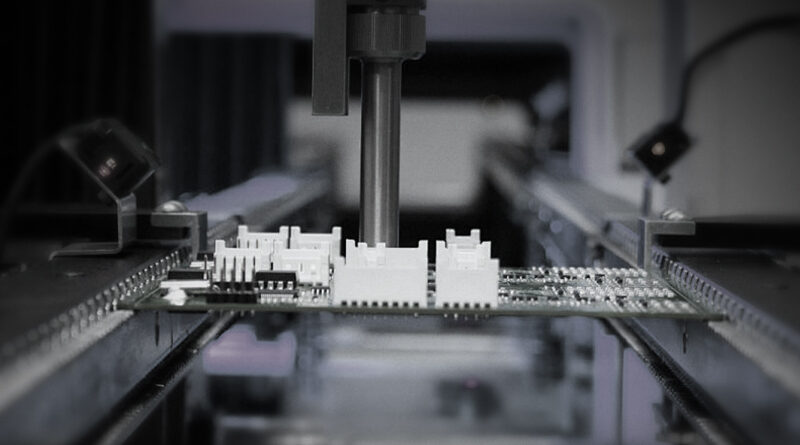
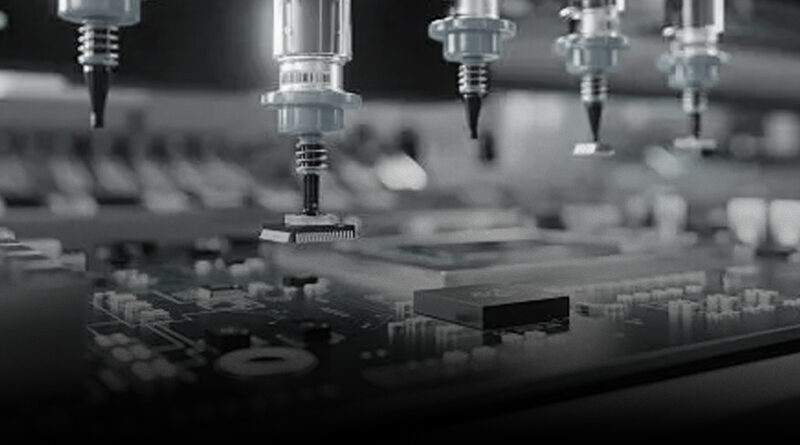
In today’s electronics manufacturing environment, the demand for speed without sacrificing accuracy is relentless. High-speed surface mount technology (SMT) pick-and-place machines are the engines that power modern PCB assembly lines. They transform raw reels of chips and components into densely populated boards with astonishing speed, while maintaining the alignment and placement precision that modern assemblies require. As a professional in the field of SMT solutions, I’ve observed that the trajectory of pick-and-place technology is defined by two intertwined factors: multi-head capability and smart control systems. When these come together, throughput scales dramatically, and defect rates fall dramatically as well.
What Makes a High-Speed Pick-and-Place Machine “High‑Speed”?
The designation “high-speed” is not just about top placement rate. It is a holistic metric that covers the entire placement workflow. On the hardware side, you will typically see:
- Multiple heads or even 8-head configurations that can place dozens of different components in parallel, reducing idle time between placements.
- Fast feeders and intelligent tray handling that minimize reorientation and intermittent stops.
- Robust nozzle tooling and low-defect vision alignment that maintain accuracy even as board sizes and component packages vary.
- High-speed servo control and real-time error correction to keep the line moving when small deviations occur.
- Advanced perception systems such as 2D/3D vision, pattern recognition, and feed-forward compensation that anticipate misalignment before it becomes a defect.
When you combine these hardware elements with software intelligence, placement throughput reaches levels that enable large-volume production without breaking tight tolerances. The result is a line that can handle rapid product churn, small form-factor components, and mixed-component boards with equal ease.
Key Technologies Behind High-Speed Performance
To truly understand why these machines perform so well, it helps to unpack the core technologies that enable speed and precision:
- Vision-guided placement: Cameras capture board fiducials and component features, feeding a real-time correction loop that aligns each part with sub‑pixel accuracy. This reduces misplacements caused by board flex, thermal drift, or feeder variability.
- Multi-head synchronization: Coordinated motion across multiple heads ensures that the placement cadence remains steady. Sophisticated scheduling minimizes idle time between heads and between components of similar size or shape.
- Adaptive nozzle systems: Nozzles that adapt to different component heights and packaging reduce the number of nozzle changes and accelerations that slow the cycle time.
- Intelligent feeder management: Smart feeders track part usage, predict shortages, and re-order on the fly. This prevents stalling while the line is in motion.
- Machine learning and data analytics: Modern P&P platforms collect vast amounts of process data. An expert operator can use this data to identify bottlenecks, optimize placement sequences, and drive continuous improvement across shifts.
These capabilities work in concert with a well-integrated workflow that spans the entire SMT line—from stencil printing and component feeding to inspection and rework. The best machines don’t just place parts; they orchestrate a dependable, end-to-end rhythm on the manufacturing floor.
From Reel to Board: The Placement Pipeline
A high-speed pick-and-place machine is one crucial link in the SMT chain, but its value multiplies when integrated with other stations. Here’s how a typical high-throughput line operates and why speed matters at every stage:
- Component feeding: Reels and trays supply a wide mix of SMDs. Consistent feeding reduces interruptions, enabling the placement heads to run at full tilt longer.
- Position alignment: The system maps the board with fiducials, calculates the exact coordinates, and applies compensation for any board distortion before placing the part. Accuracy is maintained even when multiple components share the same footprint or height.
- Placement: The actual insertion of components into solder paste or pad locations must be precise and repeatable, even under temperature fluctuations in the reflow area.
- Inspection and feedback: Inline optical inspection (AOI) or SPI sensors verify placement and solder quality. Any misplacements or bridging triggers immediate rework or alt routing in the production plan.
- Process integration: The pick-and-place system should play nicely with stencil printers, reflow ovens, conformal coating, and subsequent inspection. A well-connected MES/ERP system can synchronize lot life cycles and yield optimization.
In practice, speed is not optional—it’s a differentiator. A line that pushes components through the PCB assembly with minimal downtime becomes capable of supporting high-mix, high-volume production without sacrificing quality. That is the edge that modern electronics manufacturers pursue every day.
Choosing a High-Speed P&P Solution: What to Look For
When a factory considers upgrading or expanding its SMT line, several criteria determine which high-speed pick-and-place solution best fits the application:
- Component range and footprint coverage: How many heads, and what range of component sizes, heights, and package types can the machine handle?
- Throughput targets: What is the expected boards-per-hour (BPH) or units-per-hour (UPH) for the target product mix?
- Placement accuracy: The required tolerance (e.g., 25 microns or better) for fine-pitch components and small BGA/CSP packages.
- Software and offline programming: Ease of teaching new components, script-based optimization, and the ability to automate repetitive tasks through templates and macros.
- Maintenance and support: Availability of spares, field service, calibration routines, and remote diagnostics to minimize unplanned downtime.
- System integration: How easily the machine can be integrated with NECTEC’s one-stop SMT ecosystem, including printing, soldering, inspection, coating, and peripherals.
NECTEC’s service philosophy emphasizes a one-stop approach that simplifies procurement and deployment. Our team curates and integrates the optimal mix of machines, feeders, and peripherals from trusted suppliers worldwide, ensuring that the line operates cohesively from day one. The goal isn’t just a fast machine; it’s a production solution that scales with your product roadmap.
NECTEC: A One-Stop SMT Partner for Speed and Reliability
NECTEC positions itself as a premier destination for comprehensive SMT solutions. Our value proposition centers on three pillars: breadth of offering, strict quality control, and unwavering support. On the breadth front, we bring together PCB handling, placing, soldering, printing, inspection, conformal coating, and a wide range of peripheral consumables. This breadth simplifies procurement, reduces vendor friction, and accelerates time-to-market for new products.
Quality is embedded in every stage of production. We implement rigorous incoming inspection for equipment and components, perform thorough line validation, and establish meaningful acceptance criteria to prevent quality issues from reaching customers. A well-tuned process under NECTEC means your boards emerge from the reflow with consistent solder joints and inspectable placement, reducing scrap and rework costs significantly.
Support doesn’t end at installation. Our pre-sales team is available around the clock to address questions about process compatibility, ROI calculations, and project scoping. After installation, our post-sales services deliver ongoing optimization, preventive maintenance, firmware updates, and training so that your operators and engineers stay current with the latest best practices. We understand that the fastest line is only as good as the reliability of the people who operate it and the longevity of the equipment in your facility.
Practical Tips to Maximize Throughput on a High-Speed Line
Here are some pragmatic steps that CNCs, plant managers, and process engineers can apply to squeeze more performance from a high-speed SMT line without compromising quality:
- Line balancing: Align the pace of printing, placement, inspection, and rework so that no single station becomes a bottleneck. Use simulation tools to test different configurations and component mixes.
- Preventive maintenance: Establish a regular maintenance schedule for feeders, nozzles, cameras, and conveyor systems. Cleanliness and calibration are critical at speed, especially for fine-pitch devices.
- Recipe management: Create robust placement recipes for different product families. Store them with version control so operators can switch between jobs without re-teaching.
- Component handling discipline: Ensure feeders are loaded consistently and components are not damaged during loading. Damaged components cause misplacements and rework, eroding throughput.
- Real-time monitoring: Deploy process dashboards that capture yield, cycle time, and machine health indicators. Quick alerts help teams intervene before small issues escalate.
- Training and knowledge sharing: Build a culture of continuous improvement. Periodically review line data, post-process inspection results, and feedback from operators to drive incremental gains.
These adjustments yield tangible results: fewer defects, lower rework costs, and a more stable production cadence—an essential foundation for meeting aggressive product launches and tight delivery windows.
A Glimpse into the Future: AI, Data, and the Next Wave of P&P
The trajectory of high-speed pick-and-place technology is moving toward greater automation intelligence. Expect advances in:
- AI-driven part recognition that can classify components even when they arrive misoriented or mislabeled, reducing setup times.
- Predictive maintenance based on machine learning analyses of vibration, temperature, and usage patterns to prevent costly downtime.
- Collaborative robots and enhanced operator assistance to support high-mix, small-batch industries where changeover frequency is high.
- Digital twins and offline optimization to plan line configurations for new products without disrupting live production.
For manufacturers, these trends translate into more resilient operations and faster time-to-market. NECTEC is actively exploring these capabilities within our integrated SMT framework, helping customers harness the power of data-driven optimization without the complexity of stitching disparate systems together.
Frequently Asked Questions
- What is the typical throughput of a high-speed SMT pick-and-place machine?: Throughput depends on board size, component mix, and line configuration. Modern multi-head systems can process thousands of placements per hour, with a balanced line sustaining high totals across mixed product runs. Real-world results vary, but the objective is to maximize uptime and minimize non-value-added time.
- Can high-speed pick-and-place handle fine-pitch components?: Yes. The most capable machines feature advanced vision, precise nozzle control, and adaptive grippers designed to keep fine-pitch parts aligned during fast cycles. This reduces the risk of bridging and misalignment on sensitive packages like 0.3 mm pitch ICs.
- How important is integration with other SMT equipment?: Extremely important. A high-speed P&P machine is most effective when integrated with printers, reflow ovens, inspection stations, and coating processes. A well-integrated line minimizes handoffs, reduces latency, and improves overall yield.
- What support can NECTEC provide after purchase?: NECTEC offers comprehensive post-sales support including preventive maintenance, firmware updates, operator training, and access to a global network of spare parts. We aim to keep your line running at peak performance and adapt quickly to new product launches.
Take the Next Step with NECTEC
Whether you’re upgrading an existing SMT line or building a new high-speed production floor, NECTEC can tailor a solution that matches your product mix, lead times, and business goals. We bring together world-class equipment, a quality-first mindset, and a commitment to service that ensures your line remains productive over the long term. Our approach starts with understanding your objectives, then mapping a clear path to achieve higher throughput, better quality, and lower total cost of ownership.
If you’re evaluating a high-speed SMT pick-and-place solution, consider the whole ecosystem: machine speed, accuracy, and flexibility; software-driven optimization; and the value of a one-stop partner who can align every stage of the PCB assembly process. With NECTEC, you gain access to a breadth of capabilities—from PCB handling and placing to soldering, printing, inspection, coating, and essential peripherals—delivered with rigorous quality control and ongoing support. The result is a production line that not only runs fast, but runs reliably, repeatably, and profitably.
Ready to explore how a high-speed pick-and-place machine can redefine your manufacturing capacity? Reach out to our pre-sales team for a consultation, a detailed ROI analysis, and a tailored deployment plan. The future of high-speed SMT is here, and it’s integrated, intelligent, and incredibly productive.