


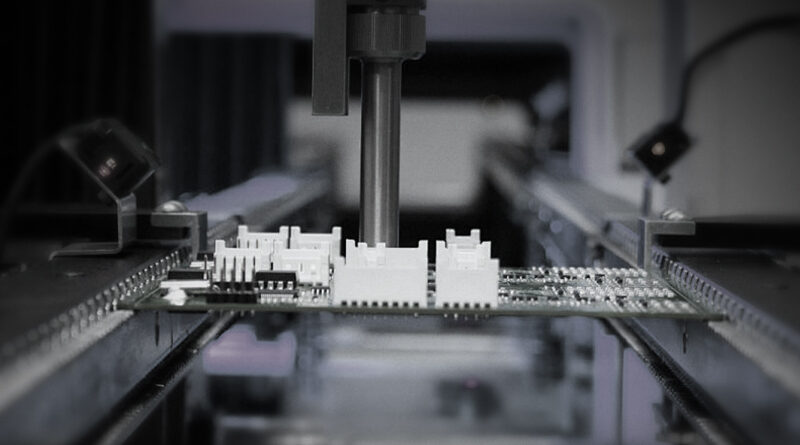
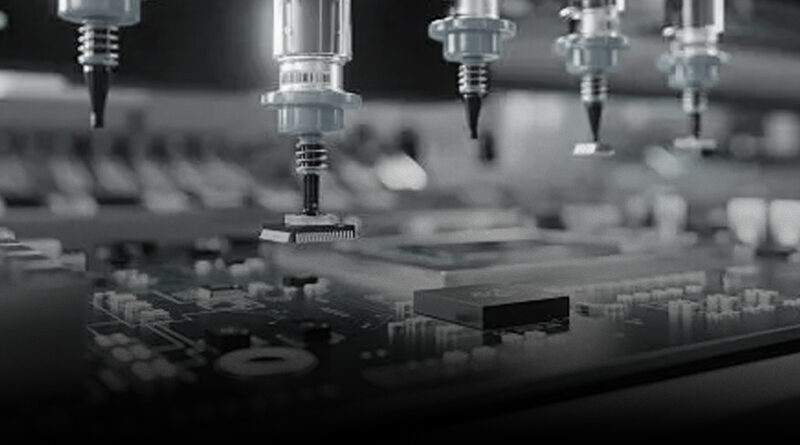
In the fast-moving world of electronic manufacturing, the chip mounter—also known as a surface mount technology (SMT) pick-and-place machine—stands as a cornerstone of efficient, high-volume production. From handheld devices to industrial sensors, the demand for precise, fast, and reliable component placement has driven a continuous evolution in chip mounters. This guide dives into what chip mounters are, how they fit into an SMT line, the critical features to consider when selecting one, and practical strategies for getting the most out of your equipment. Whether you’re upgrading an existing line or setting up a new production floor, understanding the modern chip mounter landscape will help you balance speed, accuracy, and total cost of ownership.
What is a Chip Mounter and Why It Matters
A chip mounter is an automated system that places electronic components onto a printed circuit board (PCB) with extreme precision. The process is central to SMT—Surface Mount Technology—and typically follows solder paste printing, where paste is deposited on the board via a stencil. The chip mounter’s job is to pick components from feeders and place them onto the paste-covered pads on the PCB with controlled alignment, orientation, and height. As boards become smaller and component packages more varied (from 0402 passives to fine-pitch ICs), the intelligence and reliability of the pick-and-place cycle become increasingly critical.
Modern chip mounters are not single-task machines. They are multi-head, multi-feeder systems capable of handling thousands of components per hour, while maintaining tight placement accuracy. In high-mix, low-volume environments, the flexibility to mount a wide range of components without tool changes is a defining advantage. In high-volume settings, throughput becomes paramount, and machine builders optimize cycle times, pickup stability, and board handling to squeeze every ounce of performance from the line.
How SMT Pick-and-Place Works: The Core Process
To appreciate what a chip mounter does, it helps to understand the step-by-step flow on the machine itself. While there are variations across models and manufacturers, the core cycle typically looks like this:
- Feeder preparation: Tape-and-reel or tray feeders supply components. Modern feeders are densely packed and tunable to reduce changeover time between reel changes.
- Component pickup: A vacuum nozzle engages a component from the selected feeder. The nozzle tip and vacuum control are critical for reliably handling tiny parts like 0201s and 01005s without damaging the component or desorbing surface finish.
- Placement and alignment: The vision system or alignment cameras verify the board coordinates and the component orientation. The controller compensates for any PCB warping, stencil misalignment, or thermal expansion effects to ensure placement accuracy.
- Nozzle release onto the paste: The nozzle deposits the component at the correct XY position, Z height, and orientation onto the solder paste on the PCB pads.
- Post-placement checks: Some lines include inline inspection, which may spot misplacements or verify proper height and orientation before the PCB advances to the reflow process.
After placement, boards typically move to soldering stations—usually a reflow oven—where the paste is reflowed to create strong, reliable solder joints. The integration between the chip mounter, solder paste printer, and reflow equipment determines the overall rhythm and quality of the SMT line. This is why many facilities look for turnkey integrations and robust after-sales support when selecting a supplier.
Key Components That Define a Chip Mounter’s Performance
Understanding the hardware and software that power chip mounters helps you evaluate capabilities and fit. Here are the essential elements to consider:
- Placement heads and nozzle technology: Multi-head configurations enable parallel operations and higher throughput. Nozzle types vary by package size and sensitivity; some systems offer configurable nozzle libraries for fast changeovers.
- Feeder system: The feeder capacity and layout determine how many components can be loaded and swapped during production. High-density feeders, independent feeders, and inline magazines reduce downtime during job changes.
- Vision and alignment: High-resolution cameras, 3D or 2D vision, and optical alignment sensors ensure precise placement. Advanced systems compensate for PCB warpage or tilt and verify correct component orientation before solder.
- Collision protection and mechanical stability: Modern machines incorporate safety features to prevent damage when misfeeds occur and to dampen vibration during high-speed operations.
- Board handling and alignment: Vacuum suction, clamping, and PCB edge alignment ensure repeatable board positioning, particularly for large or oddly shaped boards.
- Process control software: Intuitive interfaces, recipe management, and real-time monitoring help operators configure, track, and optimize placements across jobs.
- Throughput metrics: Claimed placements per hour (CPH) or cycles per hour (CPH) provide a throughput benchmark, but real-world performance depends on component mix, board size, and line configuration.
Types and Styles of Chip Mounters: From Single-Head to High-Throughput Lines
Chip mounters are not a one-size-fits-all solution. They come in styles that emphasize speed, flexibility, or integration capabilities with other SMT equipment. Here are common categories you’re likely to encounter:
- Single-Head vs Multi-Head: Single-head machines handle one component at a time, offering great flexibility for prototyping or low-volume work. Multi-head configurations, with two or more independent or synchronized heads, accelerate production by placing multiple components per board in parallel or by overlapping tasks.
- 2-Head, 4-Head, and Beyond: More heads typically translate to higher throughput, especially on boards with standard components that can be placed simultaneously. Some models allow independent head operations for mixed-component lines, enabling efficient handling of diverse packages.
- High-Speed and High-Precision Variants: Throughput-optimized mounters focus on rapid pickup and rapid accelerations, while precision-focused units emphasize tight placement tolerances and robust error recovery.
- Specialized Configurations: Certain lines are optimized for LED assembly, large boards, or ultra-fine-pitch components. Some systems also offer selective soldering or combined pick-and-place capabilities in a single machine for specific production needs.
Performance Benchmarks: What the Numbers Really Mean
When evaluating chip mounters, performance is expressed in metrics that matter on the production floor. Two of the most important figures are placement accuracy and throughput. A reputable machine will advertise metrics such as:
- Placement accuracy (3σ): A measure of how closely the machine places a component to the target location, accounting for statistical variation. Typical values for modern mounters range from a few micrometers to tens of micrometers, depending on the package size and the process. For fine-pitch work, such as 01005 or 0201 components, ±10 to ±20 μm precision is common, with tighter results on premium systems.
- Throughput (CPH): Claimed placements per hour vary with board size, component mix, and line configuration. A high-speed model might advertise 8,000–12,000 CPH for standard boards, while multi-head lines designed for high-volume production can exceed 15,000 CPH with optimized feeders and synchronized head movements.
- Accuracy vs. speed trade-offs: There is an inevitable balance: pushing for higher CPH may require compromises in accuracy or more sophisticated calibration routines to maintain reliability across shifts and operators.
In practical terms, the interplay of feeder density, nozzle selection, and vision-based alignment determines whether your line consistently meets quality targets while avoiding rework and scrap. A comprehensive evaluation should extend beyond the specifications printed in brochures to include real-world run data from lines similar to yours. Partnering with a supplier who can provide test placements and pilot runs helps quantify how a given machine will perform on your boards.
Choosing a Chip Mounter: A Practical Buyer’s Guide
Selecting the right chip mounter hinges on a combination of technical capability, supplier support, and total cost of ownership. Consider these critical factors as you compare options:
- Component range and precision: Ensure the machine can reliably handle the range of components you use—from tiny 0201 passive resistors to larger QFPs or BGA payloads. Confirm nozzle geometry, vacuum control, and software compensation for fine-pitch parts.
- Board size and thickness compatibility: Check the maximum board dimensions, thickness, and handling capabilities. Some lines are optimized for standard 8-inch or 12-inch boards, while others can accommodate larger formats or unusual shapes.
- Throughput vs. work cell layout: A higher-throughput machine may still be slower if it requires frequent changeovers. Analyze the expected run time per job, the changeover time for different part families, and the integration with feeder libraries.
- Changeover speed and recipe management: Modern systems offer fast lane changes and robust recipe management so operators can switch between product families with minimal downtime.
- Vision system sophistication: A reliable vision system reduces placement errors dramatically. Look for multiple inspection modalities, such as 2D and 3D imaging, fiducial-based alignment, and real-time correction capabilities.
- System reliability and service: The single most impactful factor in uptime is service. Look for turnkey installation, routine maintenance packages, spare-part availability, and local training for operators and technicians. A one-stop provider who can supply PCB handling, printing, soldering, inspection, and post-sale support can dramatically simplify your procurement and maintenance cycles.
- Total cost of ownership (TCO): Include not only the purchase price but also maintenance costs, consumables (nozzles, feeders, grippers), energy consumption, spare parts, and the expected lifespan of the equipment. A slightly higher upfront price may be justified if it translates into lower operating costs and better reliability over time.
Integrating a Chip Mounter Into Your SMT Line: Best Practices
Beyond the machine itself, integration with other equipment and processes determines the success of an SMT line. Here are practical strategies to maximize efficiency and quality:
- Look for turnkey integration: A vendor who can offer a complete solution—PCB handling, printing, placement, soldering, inspection, and coating—reduces integration risk and simplifies maintenance. The dependencies between printers, pick-and-place, and reflow are critical. A well-integrated line minimizes misalignment and reduces changeover times.
- Invest in robust inspection and testing: Inline AOI (Automated Optical Inspection) or SPI (Solder Paste Inspection) pairing with the chip mounter ensures early detection of paste defects, misplacements, and soldering quality issues. Real-time feedback helps operators correct board programs on the fly rather than after batch completion.
- Plan for footprints and room design: Consider the physical footprint, powered access, air handling, and operator ergonomics. High-throughput lines require careful workflow planning to maintain smooth material flow from paste printers to pick-and-place to reflow.
- Train operators thoroughly: A well-trained staff reduces downtime and scrap. Training should cover machine setup, feeder management, nozzle maintenance, vision calibration, and fault handling.
- Establish a rigorous preventive maintenance program: Regular checks on nozzles, feeders, vacuum lines, and belt paths prevent unexpected downtime and extend machine life.
- Quality documentation and traceability: Maintain clear job recipes, calibration records, and maintenance logs. Traceability is particularly valuable for regulated industries or high-reliability applications.
A Real-World Perspective: The Value of a One-Stop SMT Partner
For many manufacturers, partnering with a trusted supplier who offers end-to-end SMT solutions is a strategic advantage. A company like NECTEC positions itself as a premier destination for comprehensive SMT solutions, curating a broad spectrum of technologies and consumables to streamline your production. The appeal goes beyond the hardware. A one-stop partner can deliver unified procurement, consistent quality control, and predictable after-sales support, which translates into shorter lead times, fewer vendor handoffs, and more predictable production performance.
From the pre-sales phase to ongoing post-sales service, a credible supplier should demonstrate a clear commitment to customer success. The pre-sales team should help you define specifications, conduct feasibility checks, and align your requirements with equipment capabilities. After installation, post-sales support should cover preventive maintenance, consumables supply, and technical troubleshooting. A good partner also helps with line optimization, training, and continuous improvement programs, turning a piece of capital equipment into a productive, reliable asset for years to come.
Tips for Getting the Most from Your Chip Mounter Investment
- Start with a pilot run: If possible, arrange a pilot or test placement with boards similar to your production mix. Measure placement accuracy, solderability after reflow, and defect rates so you can calibrate recipes before mass production.
- Prototype before high-volume launches: Use the line to establish stable process windows for challenging components. This reduces scrap during ramp-up and improves yield from day one.
- Develop robust changeover workflows: Document step-by-step changeovers for feeder sets, nozzle libraries, and board fixtures. Automation scripts or macro recipes can speed up regular product transitions and reduce human error.
- Monitor key metrics: Track line cycle time, scrap rate, first-pass yield, and downtime by category. Regular data reviews help you identify bottlenecks and prioritize improvements.
- Plan for future-proofing: Choose a system with scalable options—extra heads, larger feeder banks, or modular expansion—to accommodate changing product mixes without a full equipment refresh.
In summary, the modern chip mounter is a dynamic, adaptable workhorse of the PCB assembly line. Its value comes not just from raw speed, but from the synergy it creates with the broader SMT ecosystem: paste printing, inspection, reflow, and post-processing. A thoughtfully selected machine, paired with a capable support chain, can deliver higher throughput, lower defect rates, and more predictable production costs, even as board complexity and component variety continue to grow.
For organizations that seek a trusted partner with a comprehensive approach—covering PCB handling, placement, soldering, printing, inspection, and peripheral consumables—alignment with a solution provider that emphasizes quality control and round-the-clock service can be transformative. The right partnership delivers not only equipment but also the confidence that your SMT line will perform reliably today and adapt to tomorrow’s challenges. With careful planning, thorough evaluation, and a focus on total value, your investment in chip mounters can become the linchpin of competitive manufacturing in the years ahead.