


In today’s fast-paced electronics manufacturing environment, the demand for speed, precision, and efficiency has never been greater. Surface Mount Device (SMD) placement assembly machines are crucial in achieving these goals. This article delves deeply into SMD placement assembly machines‘ innovations and emerging trends, highlighting how they are revolutionizing the electronics industry and driving growth in various sectors.
1. Understanding SMD Placement Assembly Machines
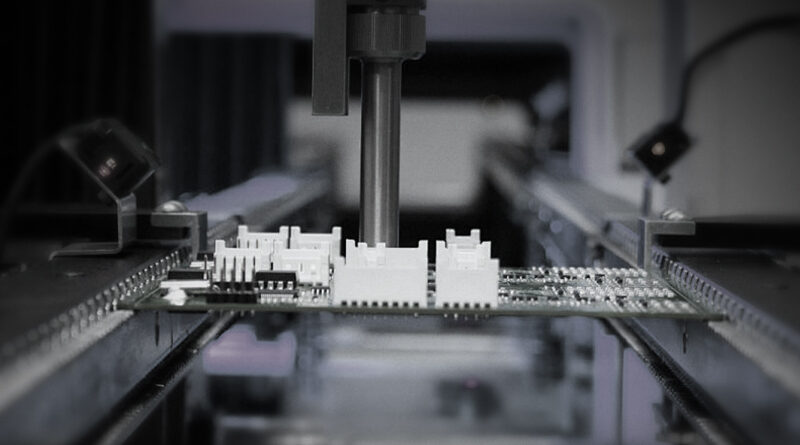
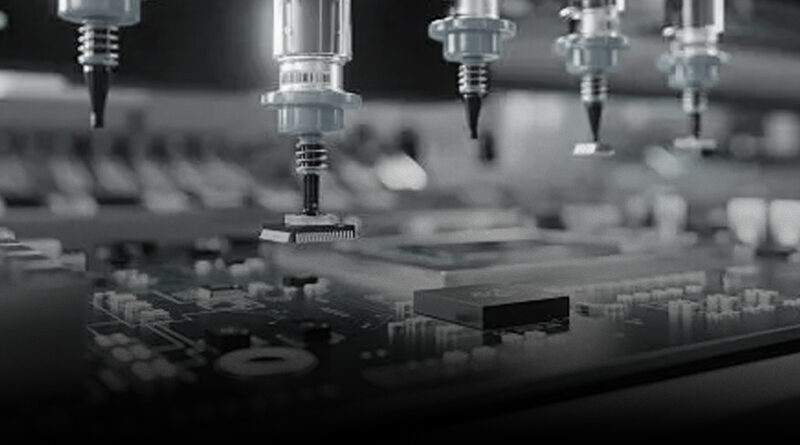
SMD placement assembly machines automate the assembly of electronic components onto printed circuit boards (PCBs). These machines use advanced technologies to place SMD components precisely, ensuring that the electronics produced meet the highest quality standards. With features ranging from high-speed placement to sophisticated vision systems, it’s no wonder these machines are at the forefront of modern manufacturing.
2. The Rise of Automation in Electronics Manufacturing
Automation has transformed how electronics are manufactured. The integration of robotics, artificial intelligence (AI), and machine learning into SMD placement assembly has streamlined production processes. Manufacturers can achieve higher yields, lower costs, and improved product consistency by reducing human error. This shift towards automation is driven by the increasing complexity of electronic products and the need for manufacturers to remain competitive in a global market.
3. Key Innovations in SMD Placement Technology
3.1 Advanced Vision Systems
One of the most significant innovations in SMD placement technology is the development of advanced vision systems. These systems identify and correctly position components on PCBs with exceptional accuracy. With innovations such as 3D inspection capabilities, manufacturers can detect defects in real time, ensuring that only flawlessly assembled boards reach the market.
3.2 Higher Speed and Precision
Modern SMD placement machines are designed for speed without compromising precision. The latest models can achieve placement rates of over 100,000 components per hour. This increase in speed allows manufacturers to meet high-volume production demands while maintaining the required quality standards. Enhanced accuracy also reduces the likelihood of costly rework and rejects.
3.3 Flexible Production Systems
The industry is witnessing a shift towards flexible production systems that can handle various components and PCB designs. Next-generation SMD placement machines feature modular designs, allowing for quick changes between different production setups. This flexibility is critical in today’s market, where manufacturers need to react swiftly to changing consumer demands and technology advancements.
4. Popular Trends Influencing SMD Machine Development
4.1 The Internet of Things (IoT)
The advent of the Internet of Things (IoT) is transforming manufacturing processes. SMD placement assembly machines are becoming increasingly connected, allowing real-time data collection and analysis. This connectivity enables manufacturers to monitor machine performance, predict maintenance needs, and optimize production schedules. As IoT technologies evolve, the integration of smart sensors and machine communication will enhance overall operational efficiency.
4.2 Sustainable Manufacturing Practices
As environmental concerns become more prominent, manufacturers are shifting towards sustainable practices. SMD placement machines are being designed with energy-efficient technologies and materials that have a lower environmental impact. These machines also facilitate recycling initiatives by minimizing waste during the assembly process. By adopting these practices, manufacturers can not only comply with regulations but also appeal to eco-conscious consumers.
4.3 Customization and Miniaturization
The miniaturization trend in electronics is pushing SMD placement technology to new limits. As devices become smaller and more complex, manufacturers must adapt their processes to accommodate custom shapes and sizes of components. Innovative designs in SMD machines are making it easier to handle tiny components without compromising accuracy, paving the way for more intricate electronic devices.
5. The Role of AI and Machine Learning
Artificial intelligence and machine learning are making waves in the manufacturing sector, including SMD assembly. By leveraging data-driven insights, these technologies allow manufacturers to optimize machine performance, reduce downtime, and enhance defect detection. Predictive analytics can anticipate maintenance needs, leading to reduced operational costs and improved process efficiency.
6. Training and Skill Development for the Workforce
As technology evolves, so must the skillset of the workforce. There is an increasing need for training programs that focus on advanced manufacturing techniques for SMD placement assembly. Workers will need to be adept at understanding machine interfaces, programming automated systems, and interpreting data analytics. Investing in the workforce will ensure companies can utilize the full potential of their SMD assembly machines.
7. The Future Landscape of Electronics Manufacturing
The future of electronics manufacturing will be heavily influenced by ongoing advancements in SMD placement assembly technology. Companies prioritizing adaptability and innovation will thrive in this competitive landscape. As enhanced technologies emerge, manufacturers will find new opportunities for efficiency, product quality, and sustainability.
8. Conclusion
While the article does not provide a traditional conclusion, the key takeaways highlight the necessity for manufacturers to embrace innovation and emerging trends in SMD placement assembly machines to remain competitive. The future of electronics manufacturing looks promising, driven by automation, connectivity, and sustainable practices.