


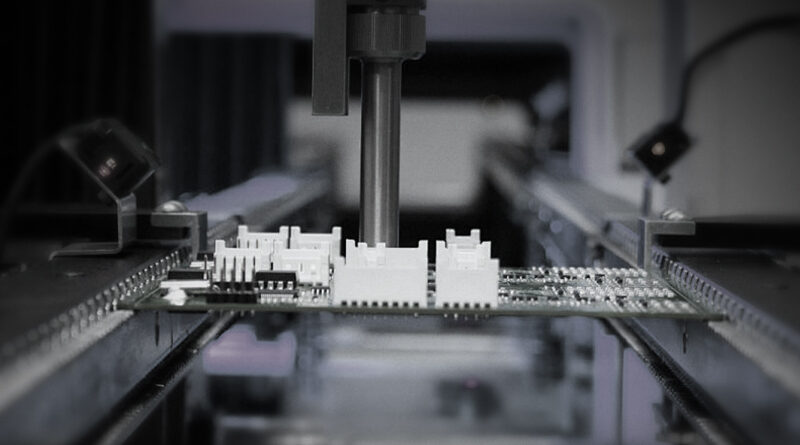
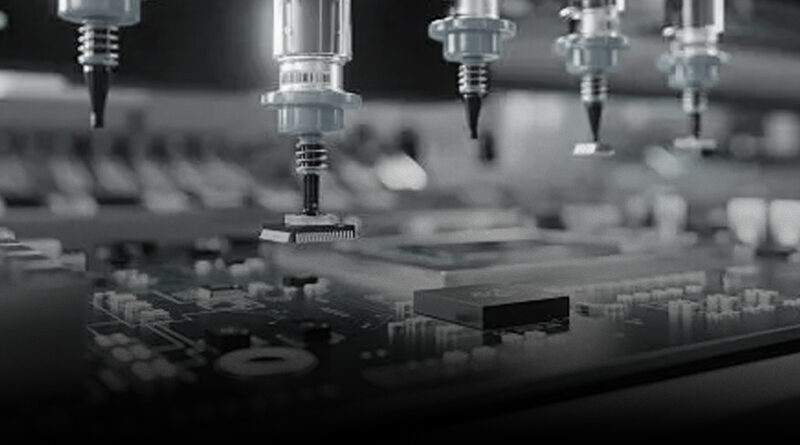
The world of manufacturing is continuously evolving, and one of the critical aspects of this evolution is the advancement of machinery designed for precise placement tasks. From electronics to automotive components, placement machines are essential for ensuring that parts fit together seamlessly and function properly. Yet, just having excellent machinery is not enough; without proper calibration, the effectiveness of these machines can diminish significantly. This article explores the importance of placement machine calibration, the methods used, and best practices to ensure optimal performance.
What is Placement Machine Calibration?
Placement machine calibration is the process of adjusting and verifying the accuracy of the positioning of components during manufacturing processes. Calibration ensures that machinery operates within specified tolerances, reducing the likelihood of errors during assembly. This process is crucial for industries where precision is paramount, such as electronics manufacturing, medical device production, and automotive assembly.
Why is Calibration Important?
Calibration plays a vital role in ensuring the quality and reliability of products. Here are several key reasons why calibration is essential:
- Accuracy: Accurate placements are critical for the performance and efficiency of the final product. Even a slight deviation can lead to malfunction or inefficiency.
- Quality Control: Regular calibration is fundamental to maintaining high-quality standards. It helps identify potential issues before they result in major defects.
- Cost Efficiency: Regular maintenance and calibration can reduce waste and minimize rework or scrap costs, leading to overall cost savings.
- Regulatory Compliance: Many industries are governed by strict quality standards. Adhering to calibration protocols ensures compliance with these regulations.
The Calibration Process
Calibration typically involves several steps to ensure your machines are operating at peak performance. Here’s an overview of the process:
- Preparation: Before calibration, ensure that all necessary tools and calibration equipment are available, and define the parameters that need to be checked.
- Initial Checks: Conduct initial visual inspections to identify any immediate issues that may affect calibration.
- Calibration Setup: Set up the calibration equipment and ensure it is correctly aligned with the placement machine.
- Testing: Run tests to measure the machine’s accuracy. This often involves inputting known measurements and comparing the output to determine deviations.
- Adjustment: If discrepancies are found, make the necessary adjustments. This step may involve changes to software settings, mechanical realignment, or replacement of worn parts.
- Documentation: Document all calibration results, adjustments made, and any observations. This documentation is critical for quality assurance and regulatory compliance.
Technologies Used in Calibration
Various technologies can be utilized during the calibration process to enhance accuracy and efficiency:
- Laser Measurement Systems: These systems provide high-precision measurements with minimal contact, reducing wear on components.
- Digital Gauges: Equipped with electronic sensors, digital gauges give instant readings and eliminate human error in measurement.
- Calibration Software: Advanced software can analyze results, provide insights, and even automate parts of the calibration process.
- 3D Scanners: In some cases, 3D scanning technology can be used to assess the geometry of components and ensure they meet specified tolerances.
Challenges in Calibration
While the importance of calibration cannot be understated, there are challenges that manufacturers must be aware of:
- Environmental Factors: Temperature fluctuations, humidity, and dust can all impact the calibration process. Machinery often needs to be acclimatized before calibration.
- Complexity of Machinery: As machines become more intricate, the calibration process can also become more complicated, requiring specialized knowledge and tools.
- Resource Allocation: Regular calibration requires time and personnel. Balancing production demands with maintenance can pose challenges for manufacturers.
Best Practices for Calibration
To ensure a successful calibration process, consider implementing these best practices:
- Schedule Regular Calibrations: Create a regular maintenance schedule to avoid unexpected breakdowns and ensure consistency in production quality.
- Train Operators: Ensure that all machine operators are trained in proper calibration techniques to minimize human error and promote efficiency.
- Utilize Advanced Tools: Invest in the latest calibration technologies to enhance precision and decrease calibration time.
- Implement Quality Control Measures: Establish checks and balances that include regular audits of the calibration process.
The Future of Machine Calibration
As technology advances, the future of machine calibration looks promising. Emerging technologies such as AI and IoT (Internet of Things) are poised to revolutionize calibration practices:
- AI-Powered Analysis: Using machine learning algorithms, AI can predict when a machine will require calibration and optimize the calibration schedule.
- Remote Calibration: IoT devices can enable remote monitoring and calibration, allowing manufacturers to adjust parameters in real time from different locations.
- Data-Driven Decisions: Enhanced data collection will provide valuable insights into the performance of machinery and calibration practices, leading to smarter operational decisions.
In conclusion, the calibration of placement machines is not just a technical requirement; it is a fundamental practice that underpins the quality and efficiency of modern manufacturing. Investing in regular calibration, utilizing advanced technologies, and adhering to best practices will ensure that your manufacturing processes remain competitive and capable of meeting the ever-increasing demands of today’s market.