


The world of electronics is evolving at a rapid pace. As technology advances, one of the most crucial components in the manufacturing process is the electronic component placement machine. These machines are at the forefront of the electronics assembly process, and they play a pivotal role in the production of circuit boards, integral to nearly every electronic device we use today.
Understanding Electronic Component Placement Machines
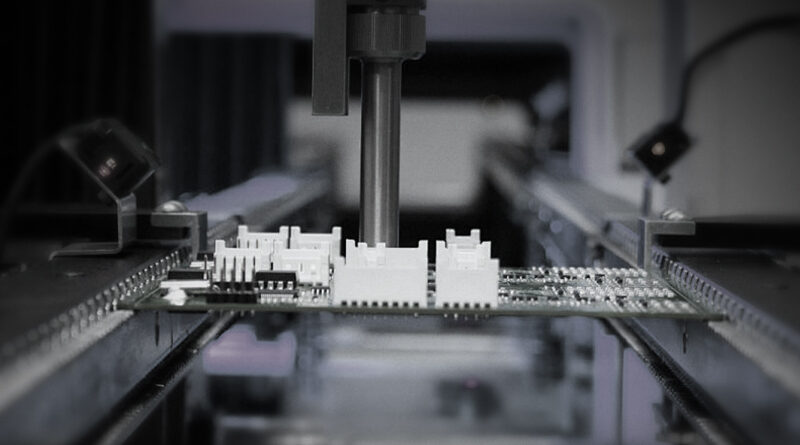
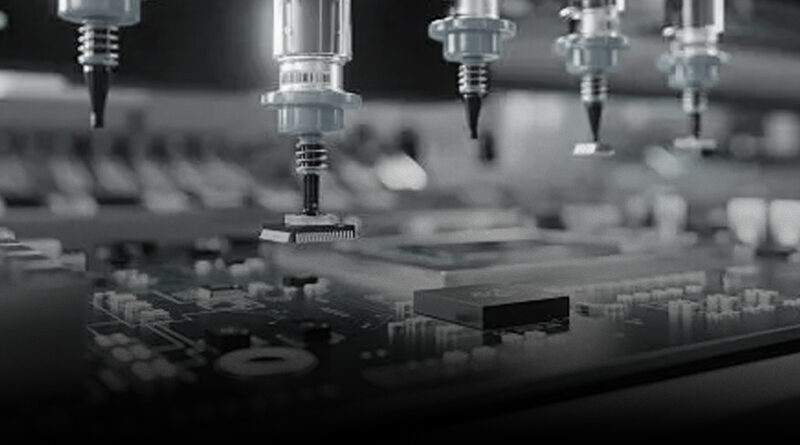
Electronic component placement machines, often referred to as pick-and-place machines, are specialized machines used in surface mount technology (SMT) for placing components onto a PCB (printed circuit board). The automation of this process has significantly improved the speed and accuracy of the assembly procedure, and as we look to the future, these machines are set to become even more advanced.
The Evolution of Placement Technology
Over the last few decades, electronic component placement machines have evolved from relatively simple, manual processes to highly sophisticated automated systems capable of remarkably high speeds and precision. Early machines relied heavily on human operators, which limited both speed and accuracy. Today’s SMT machines use advanced robotic arms, artificial intelligence, and machine learning algorithms to optimize placement and reduce the likelihood of errors.
Key Features of Modern Placement Machines
Modern electronic component placement machines come equipped with a variety of features that enhance their functionality. For instance:
- High-Speed Operation: With capabilities to place thousands of components per hour, these machines drastically reduce production time.
- Flexibility: They can handle a wide variety of component types and sizes, adapting quickly to different product configurations.
- Precision Placement: Advanced vision systems allow for optical recognition and alignment, ensuring superior accuracy.
- Real-time Monitoring: Machines can monitor their own performance and report any discrepancies in real-time, enabling prompt corrective actions.
Trends Shaping the Future
As we enter a new era of manufacturing, several trends are significantly influencing the development and implementation of electronic component placement machines. Let’s explore some of these key trends.
1. Integration of Artificial Intelligence
One of the most transformative trends in the electronics manufacturing industry is the integration of artificial intelligence (AI) in pick-and-place machines. AI can enhance the machine’s decision-making capabilities, allowing for self-optimization during the placement process. This means machines can learn from their operations over time, identifying inefficiencies and making adjustments autonomously.
2. Rise of Industry 4.0
The concept of Industry 4.0—characterized by the interconnectivity of machines and data across the production floor—is reshaping how electronic component placement machines operate. These machines are increasingly being linked to the Internet of Things (IoT), allowing for better data collection and analysis. This connectivity facilitates predictive maintenance, minimizing downtime and extending the life cycle of the equipment.
3. Increased Demand for Miniaturization
With the ongoing miniaturization of electronic devices, placement machines must adapt to handle smaller components with precision. This has led to machine designs that are specifically geared towards such capabilities, ensuring efficiency even when dealing with tiny components. The challenge continues to be directly related to the size and speed of components, making hardware and design innovation a critical area of focus.
Applications Across Industries
The versatility of electronic component placement machines allows them to be utilized across a variety of industries. From consumer electronics to automotive manufacturing, healthcare, and even aerospace, the applications are vast.
Consumer Electronics
In the consumer electronics sector, rapid product cycles demand that manufacturers be nimble and efficient. Placement machines facilitate the quick assembly of products like smartphones, tablets, and other personal devices, ensuring that producers can keep pace with consumer demands.
Automotive Industry
The automotive industry has seen a significant shift towards electronic systems, from entertainment systems to advanced driver-assistance systems (ADAS). Placement machines are integral in ensuring the reliable assembly of complex circuit boards that power these advanced systems.
Medical Devices
The healthcare sector relies heavily on precision engineering. Placement machines ensure the accurate assembly of critical medical devices, where even the slightest misalignment could lead to catastrophic results. This emphasizes not only the need for precision in placement but also highlights the importance of reliable machines in this critical sector.
Future Challenges and Considerations
As we move forward, manufacturers of electronic component placement machines will face several challenges. One of the predominant issues will be keeping pace with the rapid changes in technology and innovation. Additionally, as consumers increasingly demand personalized electronics, the ability to quickly reconfigure placement machines to meet these new demands will be paramount.
Another challenge lies in maintaining the sustainability of manufacturing processes. As environmental concerns rise, there will be heightened pressure to minimize waste and maximize energy efficiency in all stages of production, including the operation of electronic component placement machines.
Summary of Key Points
Overall, electronic component placement machines are a critical part of the electronics manufacturing process. As technology continues to advance, these machines will undoubtedly grow in complexity and capability, driving further innovation across industries. The integration of AI, the push towards Industry 4.0, and the demand for miniaturization highlight the exciting future of placement technology. Adapting to these changes while addressing industry-wide challenges will be essential for manufacturers seeking to thrive in this dynamic market.