


Die placement machines are revolutionizing the manufacturing landscape. These innovative devices are engineered to enhance precision and reduce production time in industries ranging from electronics to automotive. As the demand for faster, more efficient production processes grows, die placement machines represent a response to the evolving needs of modern manufacturing.
What is a Die Placement Machine?
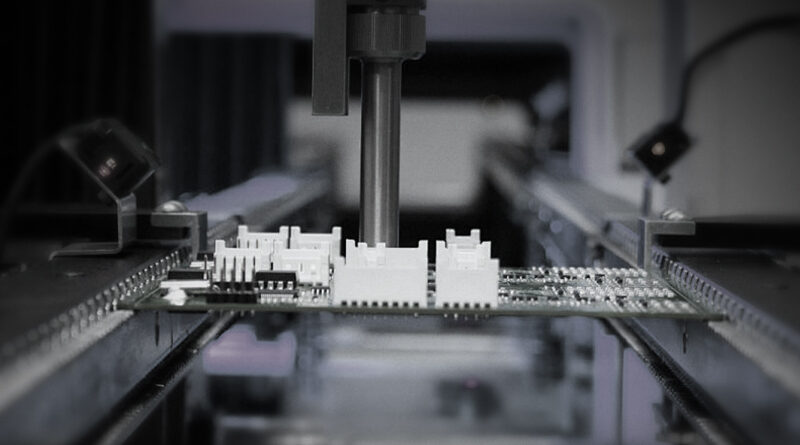
At its core, a die placement machine is an automated device used to position dies—metal components utilized in fabrication processes—accurately on a substrate or mold. The machine employs various technologies, including robotics, vision systems, and advanced software, to ensure that each die is placed with pinpoint accuracy. This eliminates the errors associated with manual placements, promoting higher quality in finished products.
Advantages of Die Placement Machines
1. Increased Accuracy: The precision offered by die placement machines is unparalleled. With automated systems equipped with advanced sensors and cameras, manufacturers can achieve repeatable accuracy for every component.
2. Boosted Production Speed: The integration of these machines into production lines significantly reduces cycle times. With faster placement capabilities, production rates can climb, ensuring that businesses meet increasing market demands.
3. Cost Efficiency: Although the initial investment in die placement machines can be considerable, the long-term savings associated with reduced labor costs, minimized waste, and improved efficiency often make them a financially sound choice.
4. Compatibility with Modern Technology: Die placement machines can be integrated with other automated systems and Industry 4.0 technologies, enabling a more cohesive manufacturing environment that leverages data analytics and real-time monitoring.
The Different Types of Die Placement Machines
Die placement machines vary widely in functionality, size, and technology. Here are some of the most common types:
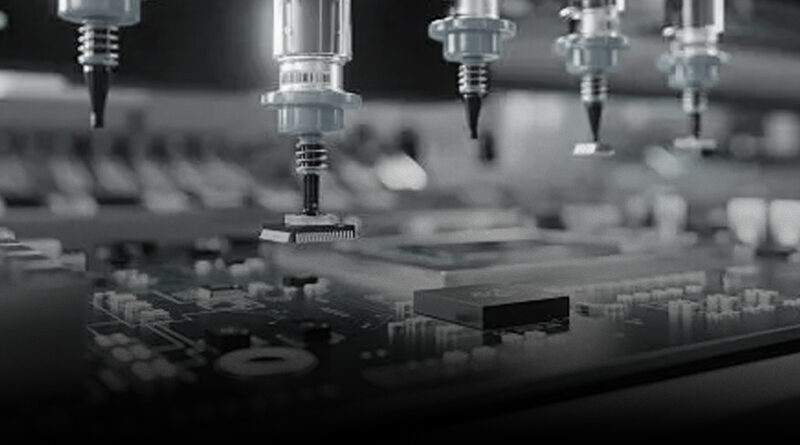
- Pick and Place Machines: As the name suggests, these machines pick components from one location and place them accurately onto another. They are particularly prevalent in electronic assembly.
- Die Bonding Machines: Used predominantly in semiconductor manufacturing, these machines attach the semiconductor die to the substrate, employing methods like thermal compression or adhesive bonding.
- Semi-Automatic Placement Machines: These machines offer a blend of automation and manual input, allowing operators to assist in the placement process. This flexibility makes them ideal for small production runs.
- Fully Automatic Placement Machines: For large-scale operations, fully automated machines are essential. They require minimal human intervention and can function continuously, which boosts overall productivity.
Applications of Die Placement Machines
Die placement machines are utilized in various industries, but they are particularly significant in the following sectors:
1. Electronics Manufacturing
From smartphones to computers, die placement machines play a crucial role in the assembly of electronic components. They ensure that tiny, sensitive components are placed accurately on circuit boards, minimizing the risk of failure during operation.
2. Automotive Production
In the automotive industry, the importance of precision can’t be overstated. Die placement machines help manufacturers produce high-quality components for engines, sensors, and electrical systems. The ability to maintain consistency across assemblies can drastically improve a vehicle’s performance and safety.
3. Aerospace Engineering
The aerospace sector relies heavily on die placement machines to create components that meet strict safety and performance standards. These machines are crucial in producing parts that require both great strength and lightweight characteristics, making them ideal for aircraft manufacturing.
How to Choose the Right Die Placement Machine
When selecting a die placement machine, several factors need to be taken into account:
- Production Volume: Determine whether the machine will be used for high-volume production or smaller batches. High throughput machines are designed for efficiency, while semi-automatic models may be better for flexible production needs.
- Type of Components: Different machines handle different types of components. Assess the size and weight of the dies you intend to use to ensure compatibility with your chosen model.
- Precision Requirements: Depending on your industry, the required accuracy may vary significantly. Consider your quality standards to ensure that the machine you choose can meet them.
- Budget: While it’s essential to invest in quality machinery for production efficiency, stick to a budget that makes sense for your operation.
- Technical Support and Maintenance: Choose a manufacturer that offers robust support and maintenance options to ensure your machine remains in optimal condition.
The Role of Automation in Future Manufacturing
As manufacturing becomes more automated, die placement machines will play an increasingly pivotal role. Each advancement in AI, robotics, and machine learning allows for smarter machines that can adapt to production needs in real time. This trend is not just about replacing human labor but enhancing it, providing operators with tools to achieve more efficient outcomes.
Investing in die placement machines signifies a commitment to evolving manufacturing processes, thereby increasing competitiveness in a fast-paced global market. As technology advances, those organizations that embrace automation will lead the way in innovation and production efficiency, setting the stage for remarkable industry growth.
Looking Ahead: Trends in Die Placement Technology
The future of die placement machines is bright, marked by trends that emphasize enhanced capabilities and efficiencies:
- AI Integration: Machines equipped with AI will learn from past placements to improve accuracy and speed, adapting seamlessly to a variety of production tasks.
- Sustainability: With increasing focus on manufacturing sustainability, die placement machines are being designed to reduce waste and energy consumption in production lines.
- Remote Monitoring and Maintenance: Advances in IoT technologies will enable operators to monitor machine performance remotely, allowing for predictive maintenance and reduced downtime.
- Advanced Materials: The use of new materials and technology will enhance the capabilities of die placement machines, allowing them to work with a broader range of components.
Embracing these trends will not only streamline production processes but also position manufacturers at the forefront of innovation in a competitive marketplace.