


In an era where efficiency and precision are paramount, the role of LED placement machines has become increasingly critical for manufacturers, especially those navigating the fast-paced electronics industry. This is particularly true in China, where factories continually strive to enhance production rates while minimizing costs. In this comprehensive guide, we’ll explore the applications, advantages, types, and factors to consider when selecting LED placement machines.
The Emergence of LED Placement Machines
The transition to LED technology is transforming various sectors, from general lighting to advanced electronics. As the demand for high-quality LED products rises, so does the need for sophisticated machinery that can handle the intricacies of assembly and manufacturing. This is where placement machines come in, enabling factories to automate the delicate task of placing LEDs accurately onto circuit boards.
Types of LED Placement Machines
China offers a rich assimilation of advanced placement machines catering to diverse industrial needs. Broadly, the machines can be classified into two types:
- Automated Placement Machines: These machines offer high-speed operation and precision engineering, making them ideal for mass production. The automation significantly reduces human error and enhances output efficiency.
- Manual Placement Machines: For smaller-scale productions or artisanal craftsmanship, manual machines provide flexibility and control. These machines may not produce as many units as automated counterparts but are valuable in niche markets.
Benefits of Using LED Placement Machines
Using China LED placement machines comes with a multitude of advantages:
1. Enhanced Speed and Efficiency
Modern placement machines are engineered to operate at high speeds without sacrificing accuracy. They enable manufacturers to meet tight deadlines and increase production rates with minimal downtime.
2. Precision and Consistency
The advanced technologies incorporated into these machines offer precision during placement, ensuring that each LED is positioned correctly. This increases the consistency and quality of the final products.
3. Reduced Labor Costs
Automating the placement process minimizes the need for a large workforce, thereby significantly reducing overall labor costs. This is particularly advantageous in competitive markets where profit margins are tight.
4. Versatility
LED placement machines can handle various LED types and configurations, making them versatile tools for manufacturers who produce multiple product lines.
Key Features to Look for in LED Placement Machines
When selecting the right LED placement machine for your factory, consider the following features:
1. Speed and Throughput
The speed of the machine is a critical factor determining its throughput. Machines are often rated by the number of components they can place in an hour. Select a model that matches your production needs without compromising quality.
2. Placement Accuracy
Accuracy is paramount in LED manufacturing, as any misalignment can lead to product defects. Look for machines that offer advanced vision systems to ensure components are placed with precision.
3. Flexibility
A good placement machine should handle various LED sizes and shapes. The ability to switch between different production setups without extensive reconfiguration is crucial for manufacturers producing various products.
4. Maintenance and Support
Consider the maintenance requirements of the machine. Opt for models that offer easy maintenance procedures, and ensure you have access to reliable technical support from the manufacturer.
LED Placement Process: A Step-by-Step Overview
Understanding the placement process is essential for optimizing machine use:
1. PCB Preparation
The first step in the process involves preparing the Printed Circuit Board (PCB) by cleansing it to remove any contaminants. This ensures optimal adhesion of the LEDs.
2. Solder Paste Application
Next, solder paste is applied to the PCB. This step is crucial as it will hold the LEDs in position and create an electrical connection once heated.
3. LED Placement
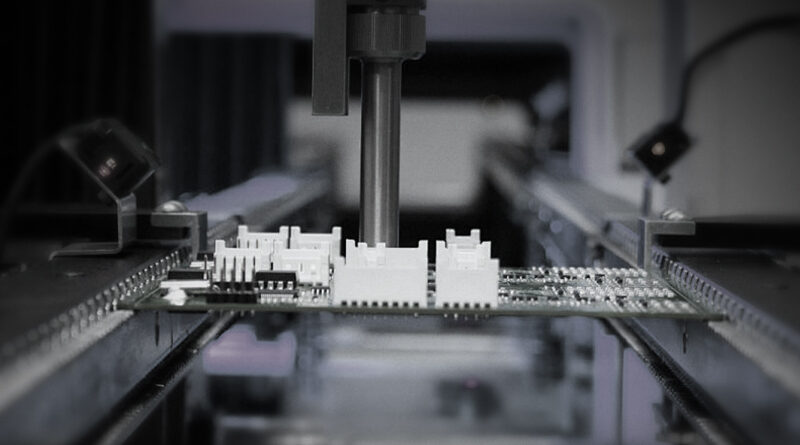
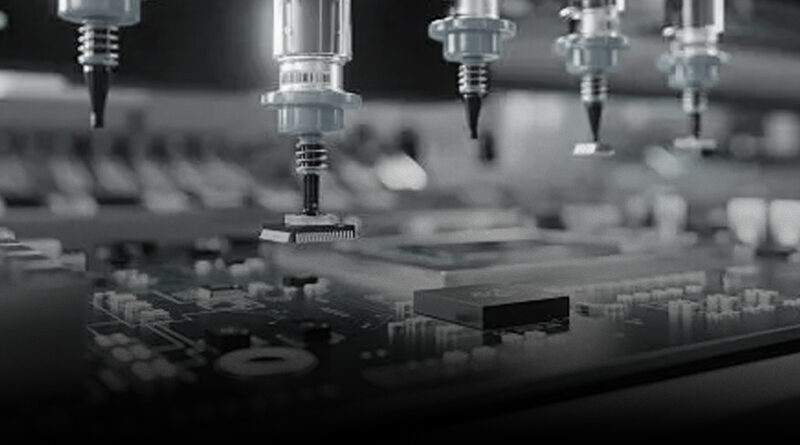
The placement machine precisely picks and places each LED onto the designated locations on the PCB. The speed and precision during this phase significantly impact the production quality.
4. Reflow Soldering
Once the LEDs are placed, the PCB undergoes a reflow soldering process, where heat is applied to melt the solder paste and create a solid electrical connection.
5. Inspection and Quality Control
After soldering, an inspection is necessary to ensure each LED is correctly placed and functioning. Many machines integrate automated inspection systems to perform this task efficiently.
The Future of LED Placement Technology
The landscape of manufacturing is continually evolving, and LED placement machines are no exception. Technological advancements such as AI and machine learning are beginning to be integrated into placement machines, adding predictive maintenance capabilities and optimizing production lines.
Furthermore, as the sustainability movement gains momentum, the industry is increasingly focusing on energy-efficient machines that minimize waste during the manufacturing process. Manufacturers are also exploring more eco-friendly materials, solidifying the need for versatile placement machines capable of adapting to new production practices.
Finding the Right Supplier in China
Given the importance of selecting the right supplier, it’s vital to consider several elements when exploring options in China. Assess the supplier’s track record for reliability, customer service, and machine performance. It’s also beneficial to connect with other manufacturers for firsthand reviews and experiences.
Attending trade shows and exhibitions focusing on electronics manufacturing in China can provide valuable insights into the latest technology trends and innovations, helping you make informed decisions for your production needs.
China leads the way in LED manufacturing technology, providing various options for businesses looking to invest in LED placement machines. By understanding the types, benefits, and technological advancements available, manufacturers can equip themselves for success in this vibrant industry.