


The electronics industry has seen a surge in innovation over the past few decades, leading to the emergence of multi-functional Surface Mount Technology (SMT) placement machines. These advanced machines play a crucial role in the manufacturing process of electronic components. In this article, we will explore the significance of SMT placement machines, their working mechanisms, the latest advancements in technology, and their impact on the future of electronics manufacturing.
Understanding SMT Placement Machines
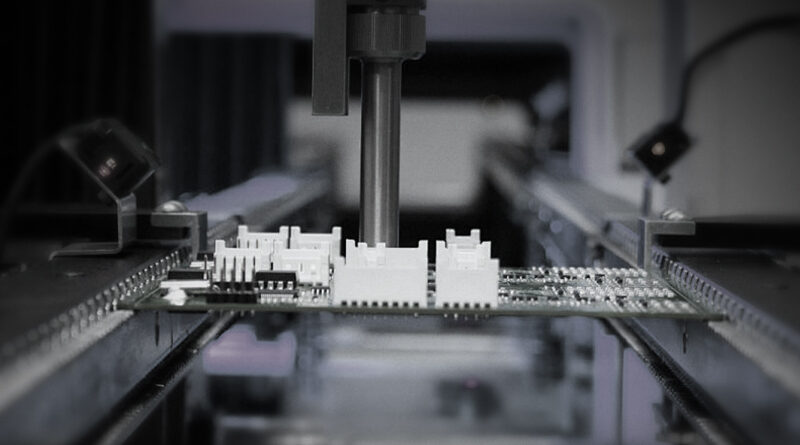
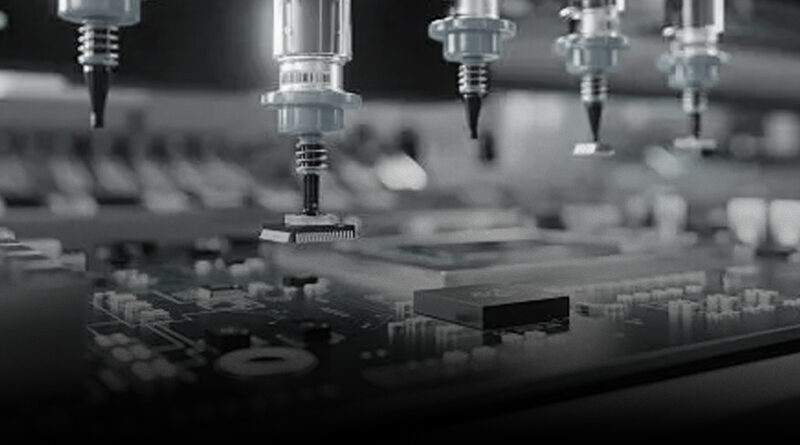
Surface Mount Technology (SMT) is a method used for producing electronic circuits in which the components are mounted directly onto the surface of printed circuit boards (PCBs). SMT placement machines automate the process of placing these components on PCBs with precision and efficiency. These machines are capable of handling a wide array of components, including resistors, capacitors, and integrated circuits, making them essential in modern electronics manufacturing.
The Working Mechanism of SMT Placement Machines
At the heart of SMT placement machines is a sophisticated mechanism consisting of several key components:
- Feeder Systems: These systems supply components to the placement head, which can use various feeding methods, including tape and reel, stick feeders, and tray feeders.
- Placement Head: This component picks components from the feeder and places them on the PCB. High-speed vision systems often accompany the placement head to ensure precise positioning.
- Conveyor System: The conveyor moves the PCBs through the machine, allowing for the efficient integration of multiple production stages.
- Control Software: Modern SMT machines are equipped with advanced software that controls the entire placement process. It includes features for programming, monitoring, and quality control.
Advantages of Multi-Functional SMT Placement Machines
The evolution of SMT placement machines has brought about numerous advantages for manufacturers:
- Efficiency: These machines enhance production speed, allowing for high volume output while maintaining quality.
- Flexibility: Multi-functional SMT placement machines are capable of handling various components and board sizes, making them adaptable to different production needs.
- Cost-Effectiveness: By automating the placement process, manufacturers can reduce labor costs and minimize errors, leading to overall cost savings.
- Quality Control: Advanced vision systems integrated into these machines help in identifying errors during the placement process, ensuring higher quality products.
Latest Trends in SMT Technology
The evolution of technology has significantly impacted SMT placement machines. Some of the latest trends include:
- AI Integration: Artificial Intelligence is increasingly being integrated into SMT machines for enhanced predictive maintenance, optimizing the placement process, and improving quality control.
- IoT Connectivity: The Internet of Things (IoT) allows SMT machines to connect to the cloud, facilitating real-time monitoring, data analysis, and remote management.
- Robotics: Advanced robotics are being used in conjunction with SMT placement machines to improve speed and precision, especially in complex assembly tasks.
The Impact of SMT Placement Machines on the Electronics Industry
Multi-functional SMT placement machines have transformed the electronics industry, influencing various aspects of production:
1. Enhanced Production Scalability: Manufacturers can now scale up production effortlessly to meet rising demands, thanks to the speed and efficiency of SMT placement machines.
2. Reduced Time-to-Market: With the ability to rapidly prototype and adjust designs, complex new products reach the market faster than ever.
3. Global Supply Chain Optimization: Enhanced manufacturing capabilities allow companies to streamline their supply chains and reduce logistical challenges, promoting a more efficient global market.
Environmentally Sustainable Manufacturing
As the world moves towards more sustainable production practices, SMT placement machines are also evolving to meet these demands. Manufacturers are focusing on energy-efficient models, minimizing waste, and employing eco-friendly materials in production. The incorporation of such practices not only complies with regulations but also appeals to environmentally conscious consumers.
Looking Forward: The Future of SMT Placement Machines
The future of SMT placement machines appears promising as innovation continues to drive advancements in the electronics manufacturing sector. With increasing demands for smaller, more complex electronic devices, manufacturers will rely more heavily on the capabilities of multi-functional SMT machines. Continuous improvement in speed, precision, and sustainability will place these machines at the forefront of electronics manufacturing.
Conclusion
In summary, the evolution of multi-functional SMT placement machines signifies a pivotal shift in the electronics manufacturing industry. Their ability to enhance efficiency, flexibility, and sustainability makes them an invaluable asset for producers. As technology continues to advance, these machines will likely evolve, unleashing new potentials for innovation and production capabilities.