


The rapid evolution of technology has transformed various industries, and electronics manufacturing is no exception. Among the myriad of innovations that have emerged over the years, Fuji placement machines stand out as a pinnacle of efficiency and precision. In this article, we will explore the functionalities, benefits, and future trends associated with these sophisticated machines that are revolutionizing the manufacturing landscape.
Understanding Fuji Placement Machines
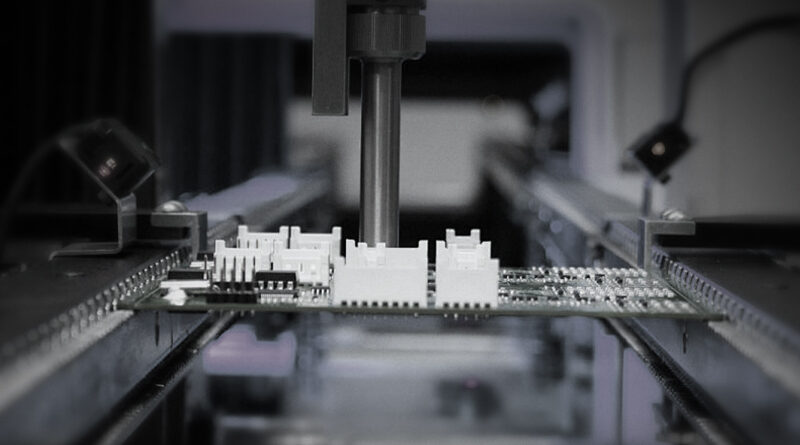
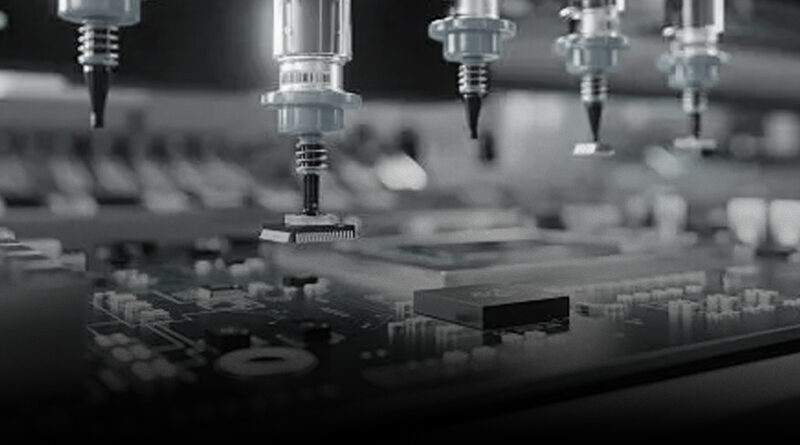
Fuji placement machines, primarily used in Surface Mount Technology (SMT), are designed to automate the process of placing electronic components onto printed circuit boards (PCBs). These machines leverage advanced technologies to ensure high-speed, accurate, and reliable placements, which are critical for the efficiency of modern manufacturing lines.
The Mechanism Behind Placement Machines
At the core of a Fuji placement machine is a series of intricate mechanisms designed for optimal performance. The components include:
- Vision Systems: High-resolution cameras analyze the components’ location and orientation to ensure precise placement.
- Pick-and-Place Heads: Depending on the design, these heads can accommodate a variety of components, from tiny resistors to larger integrated circuits.
- Feeding Mechanisms: Automated feeders hold and supply components to the placement heads with minimal downtime.
Key Benefits of Fuji Placement Machines
Implementing Fuji placement machines within an SMT line brings a host of advantages that significantly enhance productivity and quality:
1. Enhanced Speed and Efficiency
With speeds of up to thousands of placements per hour, manufacturers can significantly reduce cycle times. This acceleration not only increases throughput but also allows for quicker response times to market demands.
2. Superior Precision
The accuracy of component placement is crucial in minimizing defects. Fuji machines utilize state-of-the-art vision systems that can detect even the slightest misalignments, which translates to higher yield rates.
3. Flexibility and Customization
Fuji placement machines can be easily adapted to accommodate varying production needs. Whether producing high volumes of identical products or running smaller batches of diverse items, these machines can be configured accordingly.
4. Reduced Labor Costs
Automation minimizes the need for manual intervention, leading to a reduction in labor costs. Operators can focus on more strategic tasks while machines handle the repetitive and precision-demanding placements.
Challenges in Implementing Fuji Placement Machines
While Fuji placement machines offer considerable benefits, there are challenges that manufacturers must consider:
1. High Initial Investment
The upfront cost of acquiring Fuji machines can be a barrier for smaller manufacturers. However, the long-term savings in labor and enhanced productivity typically justify the investment.
2. Maintenance and Servicing
Like any advanced machinery, regular maintenance is required to ensure optimal performance. Manufacturers must be prepared to invest in training personnel to troubleshoot and service the machines efficiently.
Future Trends in Placement Technology
The future of placement technology looks promising with several emerging trends:
1. Increased Automation and AI Integration
The integration of artificial intelligence into placement machines is revolutionizing their operation. AI can predict maintenance needs, optimize speed, and minimize errors, ensuring machines operate at peak efficiency.
2. Industry 4.0 and Connectivity
As manufacturers transition to Industry 4.0, Fuji placement machines are becoming part of interconnected systems where data is analyzed in real-time. This connectivity facilitates smarter manufacturing processes, predictive maintenance, and enhanced supply chain management.
3. Sustainability Initiatives
With a growing emphasis on sustainability, manufacturers are pushing for machines that minimize energy consumption and waste. Future Fuji placement machines will likely incorporate eco-friendly designs without compromising performance.
Choosing the Right Fuji Placement Machine for Your Needs
Deciding on the right Fuji placement machine involves several considerations:
- Production Volume: Different models cater to various production speeds and volumes.
- Component Diversity: Ensure the chosen model can handle the range of components your production demands.
- Budget Constraints: Weigh the upfront costs against potential long-term savings.
Case Studies: Success Stories with Fuji Placement Machines
Several companies have successfully integrated Fuji placement machines into their operations:
1. Tech Innovations Inc.
By implementing Fuji machines, Tech Innovations improved their production rate by 50% while maintaining product quality. They emphasized the importance of training operators to effectively utilize the machines.
2. Global Electronics Ltd.
Global Electronics saw a major reduction in waste materials and labor costs after switching to Fuji’s advanced models, showcasing the value of investing in automation.