


The machinery industry stands at the precipice of a technological revolution. As we transition deeper into the 21st century, innovations are reshaping how machines are conceived, manufactured, and operated. This article delves into the key advancements inspiring the future of machinery, including automation, smart technology, sustainability, and more.
1. Automation: Redefining Manufacturing Processes
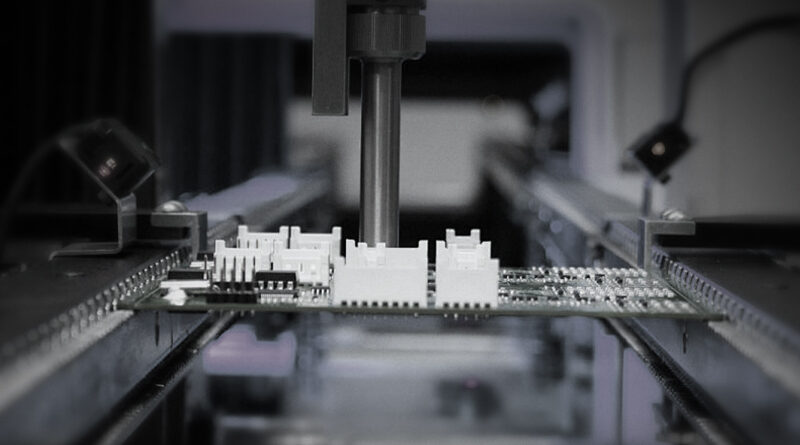
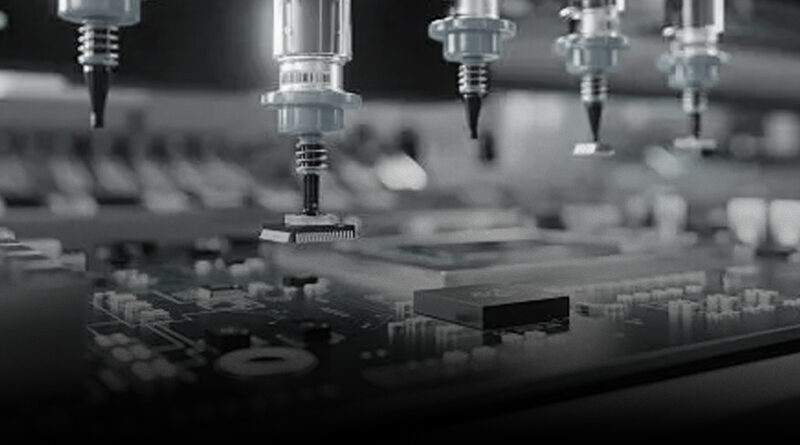
Automation is no longer a futuristic concept; it is an ever-present reality in manufacturing settings worldwide. From robotics to artificial intelligence (AI), these advancements have revolutionized production lines. With the implementation of automated solutions, companies can enhance efficiency, reduce human error, and lower operational costs.
Industrial robots equipped with AI algorithms can perform complex tasks such as assembly, painting, and welding with precision unmatched by human hands. For example, advanced robotic arms can adapt to different tasks in real-time, thereby speeding up production times and increasing output.
2. Internet of Things (IoT): Connectivity at its Core
Another game-changer in the machinery industry is the Internet of Things (IoT). IoT technology enables machinery to communicate with each other and share data seamlessly over the internet. This communication can lead to predictive maintenance, which significantly minimizes downtime and saves resources.
For instance, a manufacturing plant can implement sensors on its machinery to monitor key performance indicators (KPIs). If a machine’s performance dips below a certain threshold, alerts can notify maintenance teams before serious issues arise. This level of connectivity not only enhances efficiency but also allows for more informed decision-making.
3. Smart Machines: The Rise of AI and Machine Learning
Smart machines are dominating the spotlight, thanks to AI and machine learning. Beyond simple automation, these technologies allow machines to learn from data patterns and make autonomous decisions. Imagine a piece of heavy machinery that can adjust its performance based on the type of material it is processing — this capability is rapidly becoming a reality.
Furthermore, machine learning algorithms can analyze historical data to optimize operations continuously. For instance, construction machinery can adjust its fuel consumption based on load and working conditions, leading to cost savings and reduced environmental impact.
4. Sustainability and Green Technology
As the world grapples with climate change, the machinery industry is adopting sustainable practices to mitigate its environmental impact. Companies are innovating to develop more energy-efficient machines and environmentally friendly manufacturing processes.
Electric machinery is gaining popularity, particularly in industries like construction and agriculture. The transition from diesel-powered equipment to electric alternatives not only reduces greenhouse gas emissions but also lower running costs over time.
5. 3D Printing: A Paradigm Shift in Production
3D printing technology is changing the way we think about manufacturing. With the ability to create complex shapes and customized components rapidly, this technology is a game-changer for the machinery industry. No longer bound by traditional manufacturing limits, companies can produce intricate parts on-demand, reducing waste and lead times.
For example, additive manufacturing allows companies to manufacture machinery parts that are lighter yet more durable than conventional methods. As this technology becomes more accessible and economically feasible, its integration into production lines is expected to increase exponentially.
6. Advanced Materials: The Future of Durability
The evolution of machinery is also closely tied to advancements in materials science. The development of advanced materials such as composites, alloys, and bio-materials has opened new doors in machinery production. These materials can offer higher strength-to-weight ratios, contributing to more robust and lighter machinery.
For example, industries are increasingly adopting carbon fiber and other composite materials for components, reducing weight without compromising strength. This shift not only enhances performance but also improves fuel efficiency across various machinery applications.
7. The Role of Data Analytics in Machinery
Big Data is a significant player in the transformation of the machinery sector. Analyzing vast amounts of data from every aspect of manufacturing allows businesses to identify trends, predict outcomes, and optimize processes. This analytical approach can lead to improved product quality and manufacturing efficiency.
With advanced data analytics, manufacturers can harness performance data from machines, supply chain information, and customer insights. By utilizing this data, companies can make informed decisions that enhance product development and operational effectiveness.
8. Training and Development in a Changing Landscape
As machinery evolves, so must the workforce that operates it. The advent of smart machinery and automation necessitates a shift in skills for workers in the industry. Training and development programs are now more critical than ever to ensure that employees can adapt to new technologies and remain competitive in a rapidly changing landscape.
Educational institutions and trade schools are also emphasizing new curriculums that cover topics like robotics, AI, and data analytics. Investing in the workforce’s skill sets will be vital for businesses looking to thrive in the future of machinery.
9. Global Competition and Innovation
In an increasingly interconnected world, global competition drives innovation in the machinery industry. Companies must continually innovate to stay ahead, leading to remarkable advancements in technology and efficiency. Collaborative research and partnerships between companies, universities, and governments are necessary to foster innovation and maintain a competitive edge.
Countries that place a strong emphasis on technology and innovation in the machinery sector will likely lead the way. This focus on growth can be seen in regions such as Silicon Valley in the United States and the emerging tech hubs in Asia.
10. The Path Ahead
The future of machinery is an exciting one, filled with possibilities and innovations that will redefine industry standards. As technologies such as AI, IoT, and 3D printing continue to integrate into everyday operations, companies must remain agile and adopt a forward-thinking approach.
It’s clear that adapting to these changes will require not only financial investment but also a cultural shift within organizations. Embracing new technologies and fostering a culture of continuous learning will be key to thriving in the future machinery landscape.
As we move forward, the partnership between human expertise and technological advancement will continue to push the boundaries of what is possible — paving the way for a future rich in opportunity and innovation.