


The technology behind chip component placement machines has seen remarkable advancements over the past decade. As electronic devices become smaller and more complex, the demand for efficient and precise chip placement machines is more critical than ever. This blog post explores the latest innovations, trends, and future directions within this dynamic field.
Understanding the Importance of Chip Component Placement Machines
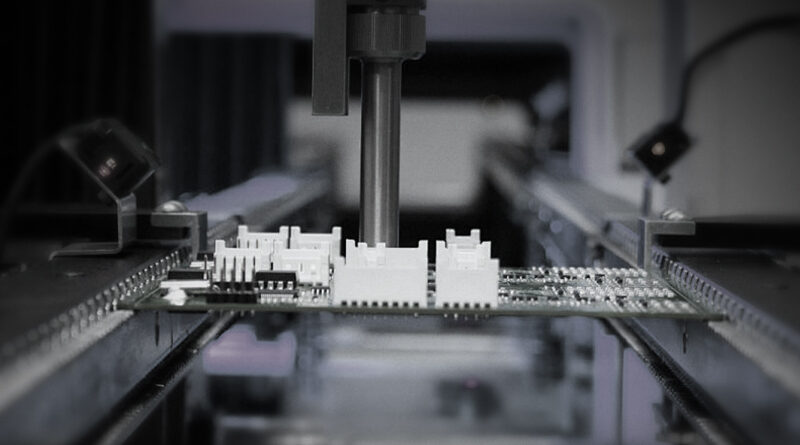
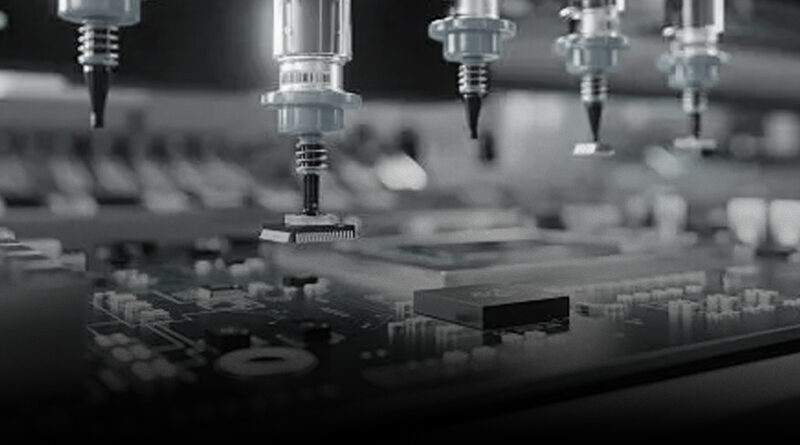
Chip component placement machines, often referred to as pick-and-place machines, are vital in the manufacturing of printed circuit boards (PCBs). These machines are responsible for the precise placement of surface mount devices (SMDs) onto PCBs, which serve as the backbone of most electronic devices today. The accuracy and efficiency of these machines directly influence the quality and reliability of the final product, making them indispensable in electronics manufacturing.
Key Innovations Reshaping the Industry
As the industry evolves, so too do the technologies employed in chip component placement. Below are some of the key innovations that are reshaping the landscape:
- Automation and AI: The integration of artificial intelligence (AI) and machine learning algorithms has significantly enhanced the efficiency of chip placement machines. These technologies allow for real-time adjustments to placement strategies based on data insights, leading to reduced errors and improved throughput.
- Multi-Axis Motion Systems: The shift towards multi-axis systems has improved the flexibility of placement machines. These systems can operate in multiple dimensions, allowing for the placement of various components at different angles and heights, thus accommodating an array of PCB designs.
- Advanced Vision Systems: The deployment of high-resolution cameras and advanced imaging techniques has improved the ability of placement machines to locate and place tiny components with pinpoint accuracy. This level of precision is crucial in today’s miniaturized electronics.
- Modular Design: New modular designs for placement machines allow manufacturers to customize their equipment based on specific production needs. This adaptability can lead to reduced costs and increased production flexibility.
- Software Integration: Enhanced software solutions enable better management of the entire manufacturing process, from component sourcing to final assembly. Programs that utilize predictive analytics can forecast potential disruptions, allowing firms to refine their production schedules accordingly.
Emerging Trends in Chip Component Placement Technology
In addition to the innovations listed above, several trends are beginning to take shape in the chip component placement industry:
- Increased Demand for Miniaturization: As smartphones, wearable devices, and IoT gadgets trend towards smaller form factors, the need for machines that can accurately place smaller and denser components continues to grow.
- Sustainability in Manufacturing: The push for sustainable manufacturing practices is leading companies to seek eco-friendly alternatives in everything from machine design to component sourcing. The adoption of energy-efficient machines and recyclable materials is becoming the norm.
- Remote Monitoring and IoT Integration: The Internet of Things (IoT) is making it possible for chip placement machines to be monitored and managed remotely. This capability not only streamlines operations but also enhances predictive maintenance, reducing downtime and extending the life of equipment.
- Enhanced Training through Virtual Reality: Training operators on new machinery and software is becoming easier thanks to the use of virtual reality (VR). This technology offers immersive training scenarios that can simulate real-world machine operations without the risks associated with a live environment.
- Collaboration Between Manufacturers: As technology advances, collaboration among key industry players—manufacturers, component suppliers, and software developers—is becoming more prevalent. This synergy fosters innovation, and efficiency, and drives the development of new solutions.
Challenges Facing the Chip Component Placement Industry
Despite the innovations and trends highlighted, the chip component placement machine industry is not without its challenges:
Supply Chain Disruptions: Recent global events have shown how vulnerable supply chains can be. The semiconductor supply chain, in particular, remains sensitive to disruptions, which can affect the availability of essential components for placement machines.
Keeping Up with Technological Paces: The rapid evolution of technology necessitates continuous investments in research and development. Manufacturers imperative to stay at the forefront of advancements must allocate adequate resources to innovate constantly.
Complexity in System Integration: As machines become more advanced and integrated with various technologies, ensuring compatibility and efficient operation can be challenging. Manufacturers must seek expertise in various fields, including software development and system engineering.
The Role of Market Research and Trends Analysis
Understanding market demands and predicting future trends becomes crucial for businesses involved in chip component placement. Comprehensive market research enables organizations to identify gaps in the market, monitor competitor strategies, and adapt their offerings accordingly. Companies should consistently evaluate customer feedback and performance metrics to fine-tune their approach and remain competitive.
Future Outlook
The landscape of chip component placement machines is poised for continuous evolution, driven by relentless technological advancements and changing market requirements. Companies that embrace innovation while also emphasizing sustainability, adaptability, and the human-centered design approach will be best positioned for success in the competitive marketplace.
With a focus on precision, speed, and efficiency, the future will likely see even greater integration of AI, advancements in hardware, and improved human-machine collaboration. As electronic devices continue to permeate every aspect of our lives, the role of chip component placement machines will only intensify, making them essential components in the development of our increasingly connected world.