


The industrial landscape is constantly evolving, with technology paving the way for innovations that enhance productivity, efficiency, and quality. Among these technological advancements, universal placement machines have emerged as pivotal tools in the manufacturing sector. This article delves into what universal placement machines are, their historical evolution, their current capabilities, and why they are crucial in today’s manufacturing processes.
Understanding Universal Placement Machines
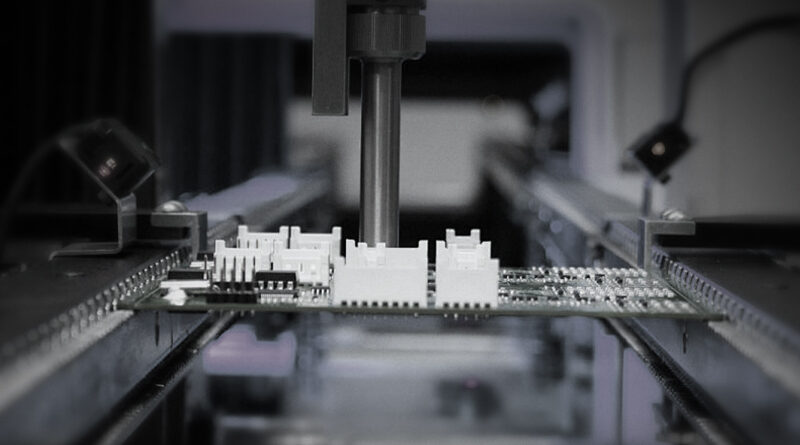
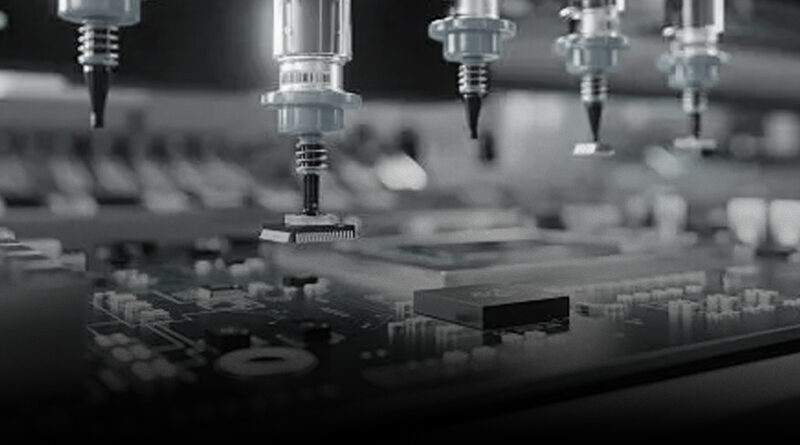
Universal placement machines are automated devices designed to accurately place components on circuit boards or in various assembly processes. These machines can handle a wide range of component types and sizes, making them versatile tools in both high- and low-volume production settings. By eliminating the need for manual placement, these machines reduce labor costs, improve placement accuracy, and enhance production speeds.
A Brief History of Universal Placement Machines
The inception of universal placement machines dates back to the 1960s. As electronics began to proliferate, manufacturers sought efficient ways to produce printed circuit boards (PCBs). Early machines focused on placing a limited range of components. However, as electronics became more intricate, the demand for more advanced machines grew. By the 1980s and 1990s, the introduction of pick-and-place technology revolutionized this field. Machines became faster, capable of handling more complex layouts and diverse component types.
Technological Advancements
Today, universal placement machines incorporate state-of-the-art features, including:
- Vision Systems: Advanced imaging technology allows machines to accurately identify component placements, significantly reducing errors.
- Speed and Efficiency: Modern models can place thousands of components per hour, enhancing throughput and meeting high-demand production needs.
- Flexibility: These machines can be quickly reconfigured to handle different components, making them ideal for manufacturers with varied product lines.
- Smart Technology: Integration with Industry 4.0 technologies enables real-time data collection and analysis, driving optimization in production processes.
The Role of Universal Placement Machines in Manufacturing
Universal placement machines play a crucial role across various industries, including electronics, automotive, and aerospace. Their versatility allows manufacturers to accommodate a spectrum of products ranging from consumer electronics to complex machinery.
Benefits of Using Universal Placement Machines
- Cost Savings: By automating the placement process, manufacturers can reduce labor costs and minimize human error.
- Enhanced Quality Control: These machines provide consistent placement accuracy, which is critical for high-quality assembly.
- Scalability: Manufacturers can easily scale production up or down based on market demands, which is vital in fast-paced industries.
- Speed to Market: Faster assembly processes allow companies to bring products to market quicker, providing a competitive edge.
Challenges Facing Universal Placement Machines
Despite their advantages, universal placement machines come with several challenges. The initial investment can be significant, which may deter smaller manufacturers. Additionally, these machines require regular maintenance and operator training to ensure optimal performance. As technology advances, manufacturers must continuously adapt to integrate new features and capabilities.
The Future of Universal Placement Machines
The future of universal placement machines looks promising. With the advent of AI and machine learning, these machines are expected to become even more intelligent, capable of self-diagnosing issues and optimizing placement processes without human intervention. Furthermore, as the demand for customized products increases, manufacturers will look to these machines for the flexibility and efficiency needed to meet diverse consumer needs.
Integration with Smart Factories
Universal placement machines are also at the forefront of the smart factory revolution. As factories become more interconnected through IoT (Internet of Things) technology, these machines will play a critical role in linking different manufacturing processes. Data collected from placement machines can be used to adjust workflows across the production line, leading to enhanced efficiency and productivity.
Conclusion: A Fundamental Asset in Manufacturing
In today’s rapidly evolving manufacturing landscape, universal placement machines are more than just a tool; they are integral to achieving operational efficiency, product quality, and flexibility. As industries continue to push the boundaries of production capabilities, the importance of these machines will only increase. Embracing the innovations and advancements in this field will be key for manufacturers aiming to thrive in a competitive market.