


Surface Mount Technology (SMT) placement machines play an indispensable role in the manufacturing of electronic devices. As technology advances, the evolution of these machines has reached a dynamic new phase, reflecting the increasing demands from the industry for efficiency, precision, and flexibility.
The Role of SMT Placement Machines in Modern PCB Assembly
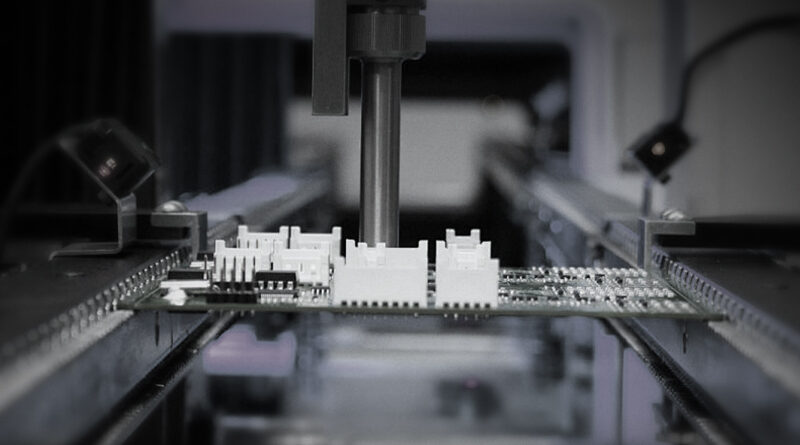
SMT placement machines automate the process of placing electronic components onto printed circuit boards (PCBs). Their primary function is to enhance production speed and ensure component placement accuracy, which is crucial for the performance of electronic devices. In today’s fast-paced electronics market, manufacturers are under pressure to deliver high-quality products in shorter time frames. Thus, the advancement of SMT placement machines has sky-rocketed in importance.
Recent Innovations in SMT Placement Technology
1. Enhanced Speed and Efficiency
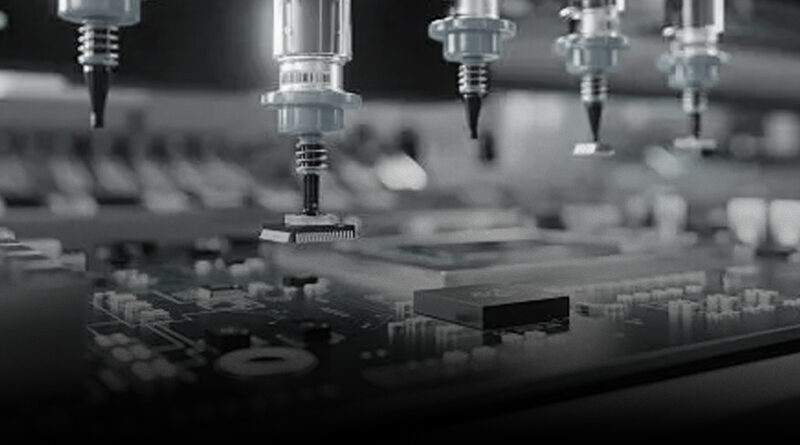
Recent advancements in SMT placement technology have led to machines that can place components at incredible speeds, often exceeding 80,000 components per hour. This is achieved through innovative feeding systems and advanced pick-and-place heads that allow for multiple components to be placed simultaneously.
2. Precision Engineering
Modern SMT machines are equipped with advanced vision systems, including RGB and 3D cameras that ensure accurate placement on every printed circuit board. This attention to detail minimizes defects and lowers the rejection rates of assembled boards, which is a significant cost-saving advantage for manufacturers.
3. Flexibility and Changeover Time Reduction
Flexibility in manufacturing is paramount, especially for companies that produce various types of PCBs in small to medium runs. Newer machines offer rapid changeover capabilities that allow manufacturers to reconfigure the machines quickly to accommodate different PCB designs without prolonged downtime, ensuring operational efficiency.
Industry Trends Influencing SMT Placement Machines
1. The Rise of Smart Manufacturing
The Industry 4.0 movement emphasizes the integration of smart technologies in manufacturing processes. SMT placement machines are becoming increasingly connected, harnessing IoT features that allow operators to monitor performance in real-time, predict maintenance needs, and collect data analytics for continuous improvement.
2. Increased Use of AI and Machine Learning
Artificial intelligence and machine learning are making significant inroads into the manufacturing industry, increasingly applied in SMT placement machines to optimize production processes. AI algorithms can analyze production metrics and optimize placements on-the-fly, reducing waste and increasing efficiency.
3. Sustainability Initiatives
As the global push for sustainability intensifies, SMT placement machine manufacturers are focused on creating machines that consume less energy and produce less waste. Innovations such as low-energy drive systems and recyclable materials for machine construction are becoming common strategies in the industry.
The Impact of COVID-19 on the SMT Placement Machine Market
The COVID-19 pandemic has altered many industries, and the SMT market is no exception. The rapid demand surge for electronics—such as medical devices, home office equipment, and consumer electronics—has prompted manufacturers to scale up production efficiency dramatically. This demand has forced a rapid adoption of advanced SMT placement technologies to meet market needs.
Key Players in the SMT Placement Machine Industry
The SMT placement machine industry features several key players that are driving innovation and competition in this field. Companies like ASM Assembly Systems, Panasonic, and Juki have been at the forefront of developing next-generation placement machines that are setting benchmarks for the industry.
Challenges Facing SMT Placement Machine Manufacturers
While the future of SMT placement machines looks promising, several challenges still need addressing. Supply chain disruptions, driven largely by global events like the pandemic, have affected the availability of key components necessary for machine manufacture. Additionally, the rapid pace of change in technology means that manufacturers must continually invest in research and development to stay ahead of the competition.
Customer Considerations When Selecting SMT Placement Machines
When selecting SMT placement machines, manufacturers need to consider various factors including budget, production volume, type of components being used, and the range of products being manufactured. Careful assessment of the desired machine capabilities will lead to maximum utilization and efficiency in the PCB assembly process.
The Future of SMT Placement Machines
Looking ahead, the future of SMT placement machines appears bright. As the technology continues to evolve and adapt to new industry demands, we can expect to see even higher levels of automation, new functionalities, and improved integration with other manufacturing technologies. The quest for higher efficiency, quality, and sustainability will remain the key drivers of innovation in this critical area of electronics manufacturing. With upcoming innovations, the transformation within SMT placement machines is a space worth monitoring, as it holds significant implications for the electronics industry as a whole and the future of technology.