

 ZH
ZH  EN
EN  ES
ES  FR
FR  AR
AR  PT
PT  RU
RU  DE
DE  IT
IT  TR
TR  PL
PL  NL
NL  CS
CS  RO
RO  SK
SK  JA
JA  KO
KO  ID
ID 
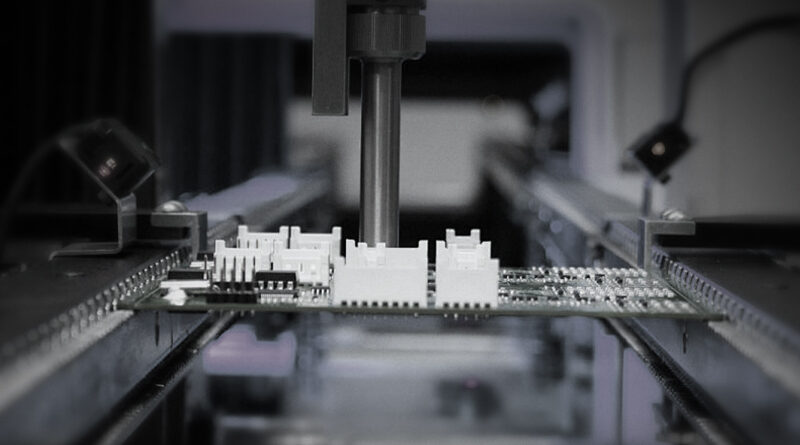
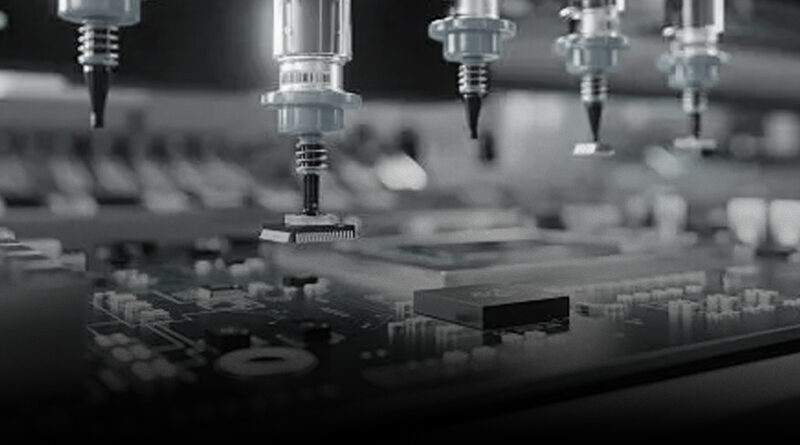
In the ever-evolving landscape of manufacturing, automation plays a pivotal role in enhancing efficiency and productivity. One of the key innovations that have transformed the assembly line is the pick and place machine. These sophisticated machines have streamlined processes, minimized human error, and maximized output. But what exactly is a pick and place machine, and how has it evolved over the years? Let’s delve into the intricacies of this remarkable technology.
了解取放设备
At its core, a pick and place machine is designed to pick up components from one location and place them in another. This might seem simple, but the technology has advanced significantly. Originally, these machines were predominantly used in electronics manufacturing to handle small components like chips and resistors. However, today’s pick and place machines are versatile and can be found in various industries, including food, pharmaceuticals, and automotive manufacturing.
Historical Perspective: From Manual Labor to Automation
The roots of pick and place technology can be traced back to the early days of assembly lines. Initially, manual laborers performed the tasks of picking and placing components by hand. This method, while functional, was time-consuming and often prone to errors. The introduction of simple robotic arms marked the beginning of automation in manufacturing. These early robots lacked precision and adaptability, but they paved the way for more advanced systems.
The Rise of High-Speed Pick and Place Machines
As the demand for faster production rates increased, manufacturers began developing high-speed pick and place machines. These machines were outfitted with precision cameras, advanced sensors, and sophisticated software to improve accuracy and speed. The integration of artificial intelligence and machine learning algorithms into pick and place systems has allowed for real-time adjustments and optimizations during the assembly process.
Key Components of Modern Pick and Place Machines
Modern pick and place machines are equipped with a range of advanced features:
- 视觉系统: High-resolution cameras that allow machines to identify and locate components accurately.
- 机械臂 Flexible arms with multiple degrees of freedom that can maneuver components with precision.
- 软件集成: User-friendly software that enables easy programming and operation of the machines.
- 模块化设计 Machines that can be easily reconfigured for different production runs or component types.
使用取放机器的好处
The implementation of pick and place technology has yielded significant benefits for manufacturers:
- 提高效率: Automation speeds up the picking and placing process, reducing production time.
- 增强精度: Machines minimize errors associated with human handling, leading to higher quality products.
- 成本效益高: Although the initial investment may be high, long-term savings are realized through reduced labor costs and increased output.
- 可扩展性: Pick and place machines can be easily scaled to meet changing production demands.
取放机的行业应用
Across various industries, pick and place machines have found diverse applications:
电子制造
In the electronics sector, pick and place machines are essential for assembling circuit boards. The machines can accurately place tiny components on the boards, ensuring that they are positioned correctly for efficient soldering.
食品和饮料行业
In the food and beverage sector, these machines are used for packaging and sorting products efficiently. For instance, they can pick up fragile items like eggs or bottles without causing damage, streamlining the packing process.
药品
The pharmaceutical industry utilizes pick and place machines for sorting and packaging medications. These machines help ensure that the correct dosage and packaging are maintained, which is critical for safety and compliance.
取放技术的未来趋势
The future of pick and place machines looks promising as technology continues to advance. Here are some trends to watch:
与物联网集成
The Internet of Things (IoT) is set to revolutionize manufacturing. Pick and place machines will be able to connect with other devices, enabling better data collection and analysis for optimizing production lines.
Augmented Reality (AR) and Virtual Reality (VR)
AR and VR technologies are making their way into training and operation. Operators may soon use AR overlays for assembly guidance, improving accuracy and training efficiency.
协作机器人(Cobots)
Cobots designed to work alongside humans are becoming increasingly popular. These machines will enhance productivity while allowing human workers to focus on more complex tasks.
根据需要选择合适的取放机
When selecting a pick and place machine, consider several factors:
- 生产量: Assess your production needs to determine the appropriate speed and capability.
- 组件类型: Different machines are designed for different sizes and types of components.
- 预算: Analyze the total cost of ownership, including maintenance and operational costs.
- 面向未来: Invest in machines that can be upgraded or modified as your needs change.
In summary, pick and place machines have evolved from simple robotic arms to highly advanced automated systems that are essential for modern manufacturing. As industries continue to innovate and develop, the technology behind pick and place machines will undoubtedly undergo further advancements, reinforcing their significance in the production line.